

Dodge Polara Accessory V-Belt Guide: 1960-1973 Models
A complete guide to solving V-belt noise and slippage on your classic Dodge Polara.
- Your Polara uses multiple V-belts, not a single serpentine belt. You must buy the correct belt for each accessory.
- Correct fitment based on your year, engine, and accessories is more important than the specific brand.
- Proper belt tension and pulley alignment are critical to prevent squealing, slipping, and premature failure.
- Consider upgrading to cogged V-belts for better flexibility and cooling, especially for high-load accessories.
Understanding Your Polara's V-Belt System
If you're looking for a single accessory drive belt for your 1960-1973 Dodge Polara, you won't find one. These classic Mopars use a system of multiple V-belts to power everything from the alternator to the power steering pump. Depending on your engine and options like air conditioning, your car could have two, three, or even more belts. This system is reliable, but it requires the correct belts, proper alignment, and correct tension to work without problems.
Signs of a Failing V-Belt
When a V-belt starts to fail, it gives you clear warning signs. Ignoring them can leave you stranded when a belt breaks.
- Squealing Noises: This is the most common symptom. A high-pitched squeal, especially at startup or under load, is caused by the belt slipping on the pulleys. This usually points to low tension or a worn, glazed belt. 🎬 Watch this quick fix for a squeaky V-belt.
- Visible Damage: A visual check can tell you a lot. Look for cracks, fraying, splitting, or missing chunks of rubber on the belt. A belt with a shiny, hard surface has become 'glazed' from slipping and heat, which reduces its grip.
- Accessory Problems: Since these belts power your accessories, a failing belt can cause immediate issues. You might notice dimming headlights (failing alternator belt), a sudden rise in engine temperature (failing water pump belt), or the loss of power steering.
- Vibrations: Excessive vibration from the engine bay can sometimes be traced back to a failing or improperly installed belt.
Belt Inspection is Key
On a classic car, belts degrade from age as much as from mileage. Even on a low-mileage car, old rubber becomes brittle and prone to cracking. It's a good practice to inspect your belts regularly and replace them if they look worn, regardless of how many miles they have.
Choosing the Right Aftermarket V-Belts
Original Mopar belts for this era are no longer mass-produced. While some Mopar-licensed reproduction belts are available for show cars, daily drivers will use modern aftermarket belts. For your Polara, getting the exact fit is more important than the brand name. A high-quality belt that is the wrong size will fail quickly.
Brand Tiers
The brands available—Gates, Dayco, and Continental—are all well-regarded in the industry. You can't go wrong with any of them, but there are some small differences based on owner experiences.
- Top Tier (Gates): Gates is often considered an OEM-level supplier and is a go-to choice for many mechanics and restorers. They are known for quality and durability. If you want a fit-and-forget solution, Gates is a reliable option.
- Strong Competitor (Dayco): Dayco is another excellent brand that has been making belts for over a century. They offer specialty belts, like their 'Top Cog' belts, which are more flexible and can help dissipate heat, making them a good choice for high-load applications or drives with smaller pulleys. Some classic car owners have solved chronic slipping issues by switching to Dayco's premium belts.
- Reliable Alternative (Continental): Continental also produces high-quality belts and is a trusted name in the automotive world. While some forum users have had isolated issues, they are generally seen as a solid choice comparable to the other two.
Cogged vs. Smooth V-Belts
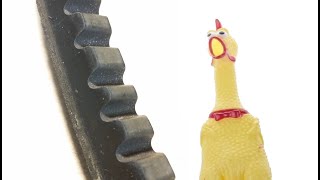
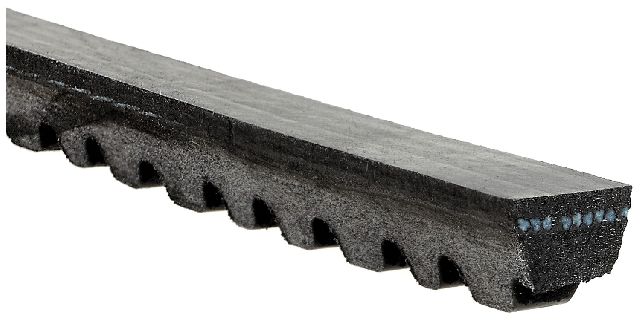
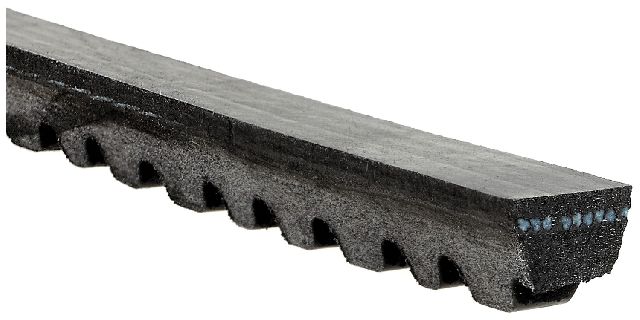
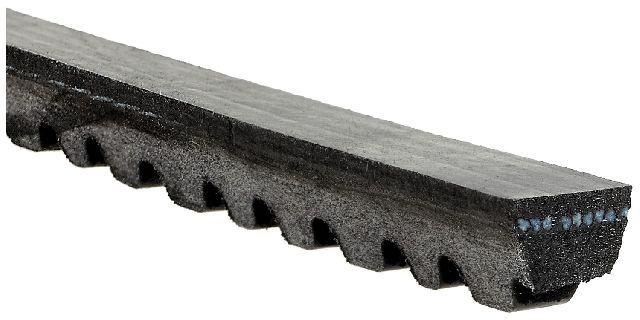
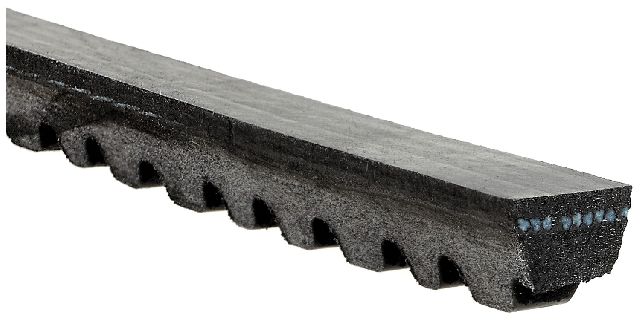
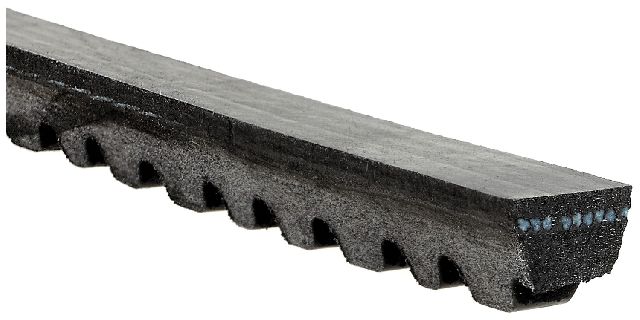
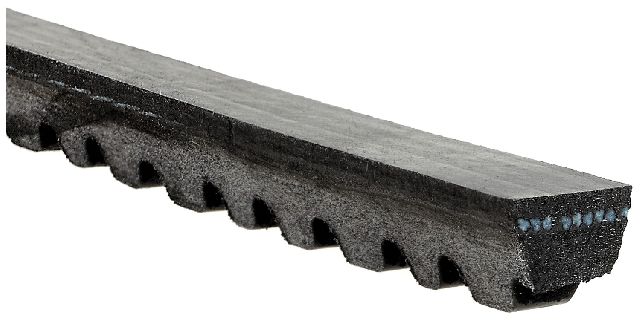
You will see both smooth (wrapped) and cogged (notched) V-belts. Cogged belts are designed to be more flexible and run cooler, which can extend their life. They are an excellent upgrade for any V-belt drive, especially for accessories that put a high load on the belt like air conditioning or a high-output alternator.
The Most Common Ordering Mistake
The biggest mistake is ordering a generic belt. The 1960-1973 Polara had numerous engine options (Slant-6, 318, 383, 440, etc.) and accessory configurations (with/without A/C, with/without power steering). Each combination requires a specific set of belt lengths and widths. Always confirm the belts you are buying are for your car's specific Year, Engine, and Accessories. If you are unsure, measure your old belts (and subtract a small amount for stretch) or use a string to measure the path around the pulleys.
Cost of Replacement V-Belts
Because your Polara has multiple belts, you will need to purchase each one individually. It is best practice to replace them all at the same time as a set.
| Item | Average Cost (Per Belt) |
|---|---|
| Aftermarket V-Belt (e.g., Alternator, PS, A/C) | $3 - $50 |
| Shop Labor to Replace All Belts | $100 - $200 |
Frequently Asked Questions
How many belts does my Polara have?
It depends entirely on the engine and accessories. A base model with a small engine and no options might only have one or two belts. A big-block V8 with power steering and air conditioning could have three or more. The only way to know for sure is to look at your specific engine's setup.
How do I find the right size belt if I don't have the old one?
The best method is to use a piece of string or a narrow rope. Wrap it around the pulleys exactly as the belt would run, pull it tight, and mark where the ends meet. Then, measure the length of the string. You also need to measure the top width of the pulley grooves to get the correct belt width (e.g., 3/8", 1/2").
How tight should my V-belts be?
Proper tension is critical. A common rule of thumb is that at the longest point between pulleys, you should be able to twist the belt about a half-turn with your fingers. It should not be able to be deflected more than about 1/2 inch under firm thumb pressure. Over-tightening can destroy the bearings in your alternator or water pump, 🎬 Watch a pro demonstrate how to set proper belt tension. while under-tightening causes slipping and squealing.
My belts keep coming off when I rev the engine. Why?
This is a common issue on older V-belt systems, especially on high-performance engines. The most common cause is pulley misalignment. Use a straightedge to ensure all your pulleys are perfectly aligned. Other causes can be incorrect belt tension or worn-out pulley grooves.
🎬 See why new belts sometimes fly off Mopar engines.Helpful Videos
Technical Specifications
OEM Part Numbers: 2863557 2402378
V-belts use a standard numbering system. A letter (e.g., A, B) denotes the cross-section/width, and a number indicates the length in inches. For example, a B50 belt has a 'B' width and a 50-inch inside length. An 'X' in the part number, like 'AX', indicates a cogged belt.
We Have This Part in Stock

The information in this article is provided for general reference and educational purposes only. Vehicle specifications, procedures, and part compatibility can vary by production date, trim level, and region. Always consult your vehicle's factory service manual and verify part numbers before purchasing or performing repairs. Safety-critical components such as airbags, seat belts, and braking systems should be installed by a qualified professional.
- 🎬 Helpful Videos
- 🛍️ Shop This Part
- Understanding Your Polara's V-Belt System
- Signs of a Failing V-Belt
- Belt Inspection is Key
- Choosing the Right Aftermarket V-Belts
- Brand Tiers
- Cogged vs. Smooth V-Belts
- The Most Common Ordering Mistake
- Cost of Replacement V-Belts
- Frequently Asked Questions
- 🎟️ Get 5% Off