

Ignition Coil Guide for the 1960-1974 MG Midget
Understanding, diagnosing, and replacing the ignition coil in your classic MG Midget.
- Ensure you buy a 12-volt, 3-ohm coil for your points-based ignition system to prevent overheating and premature failure.
- Symptoms often appear when the engine is hot, such as misfiring or stalling.
- Replacement is a very simple DIY job that takes less than 30 minutes with basic tools.
- Brands like NGK and Standard Ignition offer reliable performance, while a standard Lucas-branded coil is also a good choice.
Is Your MG Midget's Ignition Coil Failing?
An ignition coil is a wear item, and on a classic car like the MG Midget, it's often one of the first parts to check when you have running problems. Heat and vibration are the main causes of failure. Because the Midget has a simple, single-coil setup, a failure will affect the entire engine.
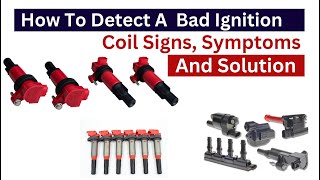
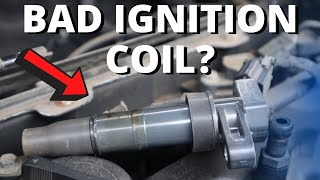
Symptoms of a Bad Ignition Coil:
🎬 Watch: A visual guide to common ignition coil failure symptoms.- No-Start or Hard Starting: The most serious symptom is the engine turning over but never starting. This happens when the coil fails completely and produces no spark.
- Engine Misfires: The engine may feel like it's shaking, sputtering, or jerking, especially when you accelerate. This can be caused by a weak or inconsistent spark.
- Poor Performance When Hot: A common issue is for the car to run fine when cold, but start to misfire or stall after the engine warms up. This is because heat increases the coil's internal resistance, causing it to fail. A coil that is extremely hot to the touch after a short drive is a bad sign.
- Backfiring: Loud pops from the exhaust can happen when unburned fuel enters the exhaust system because of a missing spark, and then ignites.
- Loss of Power: The car may feel sluggish and weak, struggling to accelerate or go up hills.
Aftermarket Ignition Coil Cost for 1960-1974 MG Midget
| Category | Price Range |
|---|---|
| New Aftermarket | $23.53 - $37.13 |
| New OEM (Lucas) | $35 - $85+ (Varies by supplier) |
| Shop Labor | $50 - $100 |
Choosing a New Aftermarket Coil
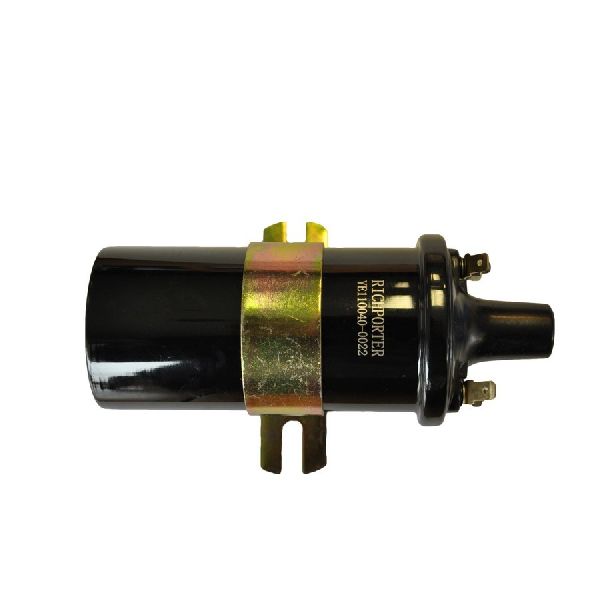
For a 1960-1974 MG Midget, you are dealing with a simple points-style ignition system. The original coils were made by Lucas. While new "Lucas" branded coils are available, they are often manufactured by third parties. The quality of modern aftermarket parts can be very good and sometimes more reliable than the decades-old original designs.
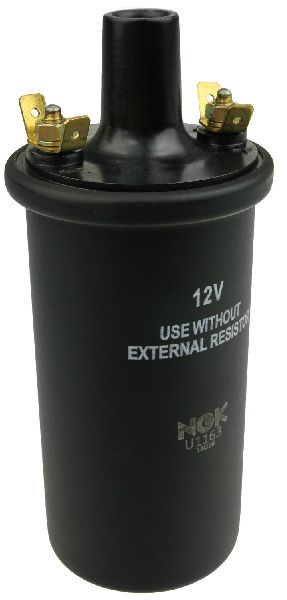
Pro Tip: The most important factor is getting a coil with the correct primary resistance. For a standard, non-ballasted Midget with points, you need a 3-ohm coil. Using a coil with the wrong resistance (like a 1.5-ohm coil meant for a ballasted system) will cause it to overheat and fail quickly.
Aftermarket Brand Tiers
- Tier 1 (Recommended): NGK, Standard Ignition (SMP). These brands have a strong reputation for quality and reliability in the aftermarket. They are often considered a safe bet for consistent performance.
- Tier 2 (Good Value): Spectra, WAI Global. These brands offer a more budget-friendly option and are widely available. They generally meet OE specifications and are a suitable replacement for a standard daily driver.
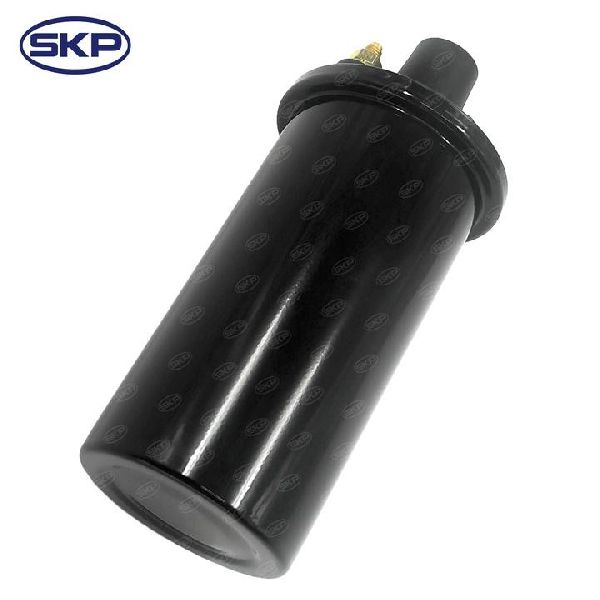
- Tier 3 (Economy): Skyward and other lesser-known brands fall into this category. While they are the most affordable, their long-term durability may be less consistent.
A Note on "Sports Coils"
You may see "sports" or "high-performance" coils advertised. For a standard MG Midget engine, these are generally not necessary and will not provide a noticeable performance increase. Sticking with a quality standard replacement coil is the most reliable choice.
Frequently Asked Questions
Is replacing the ignition coil a difficult job?
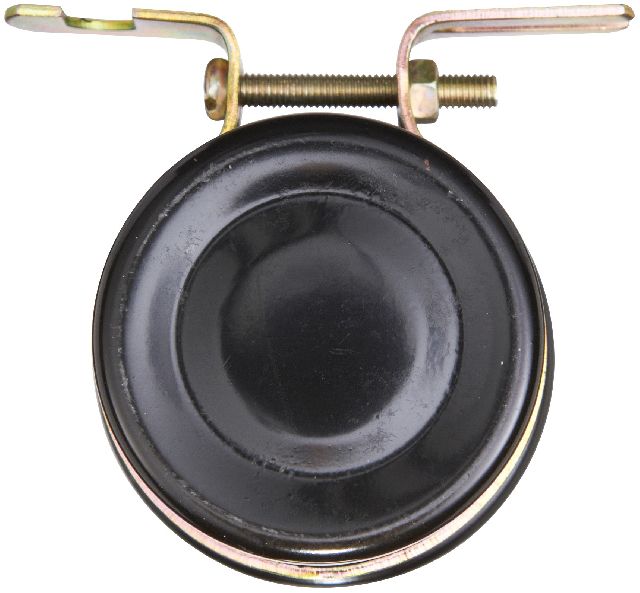
No, this is one of the easiest jobs you can do on an MG Midget. It is held on by a simple clamp and has only two small electrical wires and one main high-tension lead to the distributor. Most owners can do this in under 30 minutes with basic hand tools.
🎬 Watch this walkthrough of a Midget coil and distributor change.Do I need a ballast resistor?
For the 1960-1974 model years with a points distributor, you typically do not need a ballast resistor. You should use a 12-volt coil with a primary resistance of around 3.0 ohms. Ballast resistors were used on later Midgets.
What is the difference between an oil-filled and epoxy-filled coil?
Original coils were often filled with oil to help cool the internal windings. Modern coils are often epoxy-filled, which can offer better resistance to vibration. For a classic car, either type is acceptable, but a quality modern epoxy-filled coil may be more durable long-term.
Are there any recalls or TSBs for the MG Midget ignition coil?
No, there are no official NHTSA recalls or Technical Service Bulletins (TSBs) for the ignition coil on a vehicle of this age. Failures are handled on a case-by-case basis as a normal wear and tear item.
Can I test my old coil before replacing it?
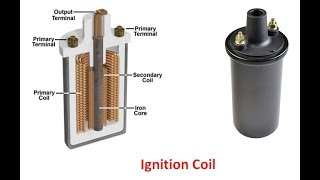
Yes. You can test the coil with a multimeter. The primary resistance (measured between the two small '+' and '-' terminals) should be around 3.0 ohms for a standard coil. The secondary resistance (measured between the center high-tension tower and a primary terminal) should be several thousand ohms, typically in the 8,000-11,000 ohm range. A reading that is far off from these specs indicates a bad coil.
🎬 See how to test your coil using a multimeter.Helpful Videos

Technical Specifications
OEM Part Numbers: DLB105
For a standard points-based ignition system (1960-1974), a 12-volt, non-ballasted coil with a primary resistance of approximately 3.0 ohms is required.
We Have This Part in Stock


The information in this article is provided for general reference and educational purposes only. Vehicle specifications, procedures, and part compatibility can vary by production date, trim level, and region. Always consult your vehicle's factory service manual and verify part numbers before purchasing or performing repairs. Safety-critical components such as airbags, seat belts, and braking systems should be installed by a qualified professional.