

Choosing the Right Aftermarket Alternator for Your 1960-1977 Dodge Dart
Keep your classic Dart's charging system reliable with the correct new alternator.
- The external voltage regulator is a critical part of the 1960-1977 Dart charging system; inspect it and consider replacing it with the alternator.
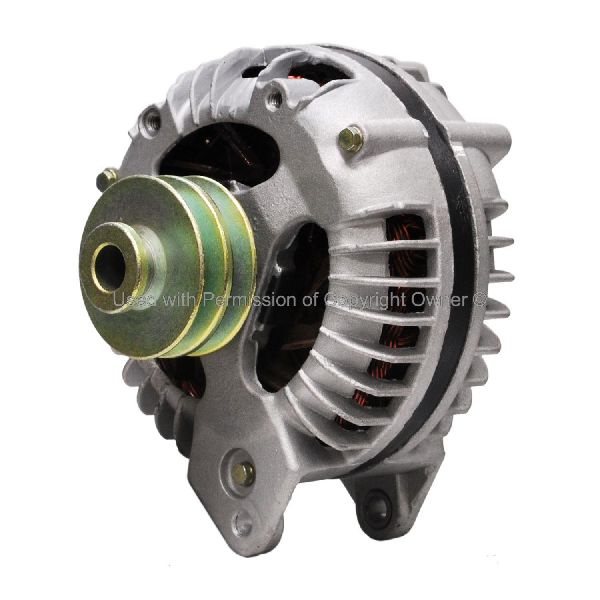
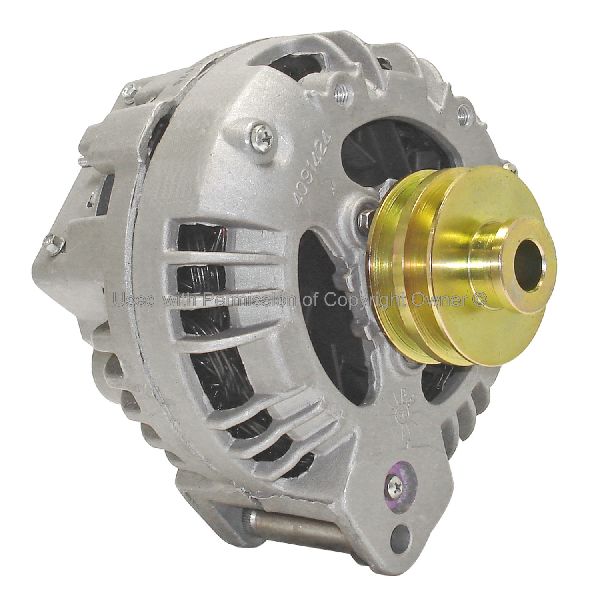
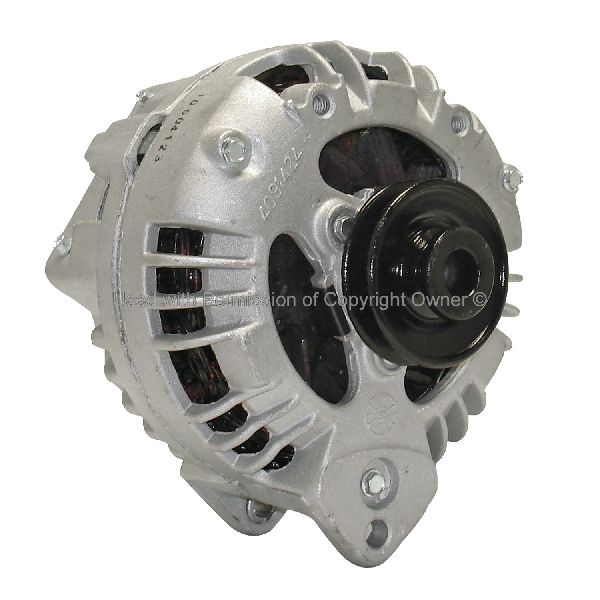
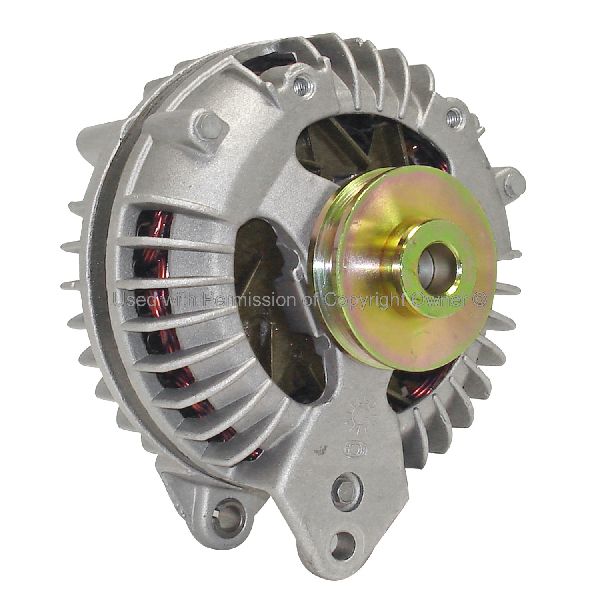
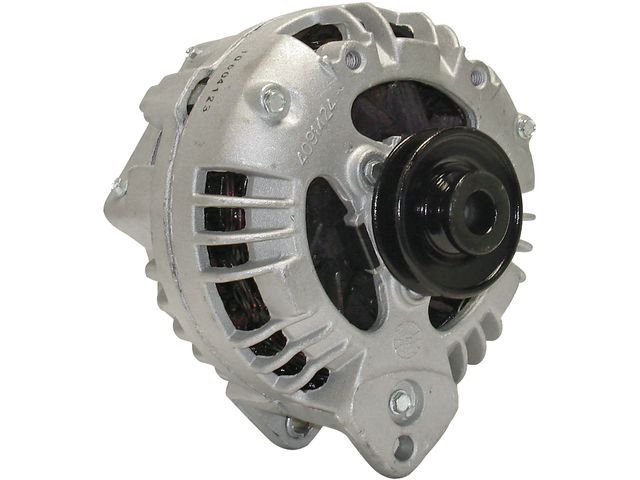
- Verify your pulley type (single or double groove) and field type (grounded or isolated) before ordering to ensure compatibility.
- If you have modern electronics like a stereo or electric fan, upgrade to a high-output alternator (95+ amps) and ensure your charge wire can handle the power.
- Charging problems can sometimes be caused by the factory ammeter gauge or its wiring, not the alternator itself.
Understanding Your Dart's Charging System
The charging system in a 1960-1977 Dodge Dart is simple but has specific needs. Unlike modern cars with internal regulators, most Darts from this era use an external voltage regulator. This separate part tells the alternator when to charge and by how much. When one part fails, it can put stress on the other. It's common for a bad voltage regulator to cause an alternator to overcharge or for a failing alternator to damage a new regulator. For this reason, it's wise to inspect your voltage regulator when replacing the alternator.
Signs of a Failing Alternator
A bad alternator will give you several warning signs. Paying attention to them can prevent you from getting stuck.
- Dim or Flickering Lights: If your headlights or dash lights are dim, flicker, or get brighter when you rev the engine, the alternator is likely struggling to provide consistent power. 🎬 See a visual breakdown of common bad alternator symptoms.
- Warning Light: Your dash might have a battery, "ALT," or "GEN" light that glows when the system isn't charging correctly.
- Slow or Dead Battery: An alternator's job is to recharge the battery. If your battery keeps dying, the alternator may not be doing its job, even if the battery itself is new.
- Whining or Grinding Noises: A high-pitched whine or a grinding sound from the engine bay often points to failing bearings inside the alternator.
- Electrical Problems: Slow power windows, a radio that cuts out, or gauges that act erratically can all be signs of low voltage from a weak alternator.
A Note on the Ammeter Gauge
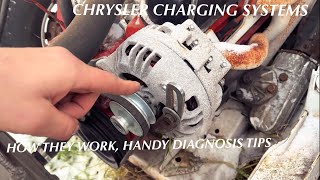
Many classic Mopars, including the Dart, have a factory ammeter gauge. The entire charging current runs through this gauge, and the wiring can become a weak point over time, causing resistance and charging problems. Some owners experience charging issues that are mistakenly blamed on the alternator when the real problem is a faulty ammeter 🎬 Watch this guide to diagnosing classic Mopar charging system failures. or the wiring connected to it.
Choosing the Right Aftermarket Alternator
For a vehicle of this age, "new OEM" parts are generally not available. Aftermarket parts are the standard. The quality can range from basic replacements to high-performance upgrades. When choosing, consider your needs.
Stock Replacement vs. High-Output
For a stock Dart with no extra electrical demands, a standard replacement alternator is fine. These typically have an output of 40-60 amps. However, if you have added modern accessories like a powerful stereo, electric fans, or brighter headlights, you should consider a high-output alternator. These can provide 100 amps or more, ensuring all your components get the power they need without draining the battery at idle. Brands like Powermaster and Proform specialize in these higher-amperage units.
Brand Quality Tiers
Not all brands are created equal. Based on owner experiences and general reputation, here's a breakdown:
- Premium/Performance: Powermaster is a well-regarded brand in the hot rod and muscle car community for high-output and reliable alternators. ACDelco is a reputable name, though some users report occasional quality control issues with remanufactured units.
- Standard Replacement: Brands like Remy and BBB Industries offer direct-fit replacements. Quality can sometimes be inconsistent, with some users reporting early failures, particularly with bearings. However, many users have had no issues with these brands.
- Value-Oriented: MPA (Motor Parts of America) often falls into the value category. While they meet stock specifications, long-term durability may be a concern for some owners compared to premium brands.
Check Your Pulley and Field Type
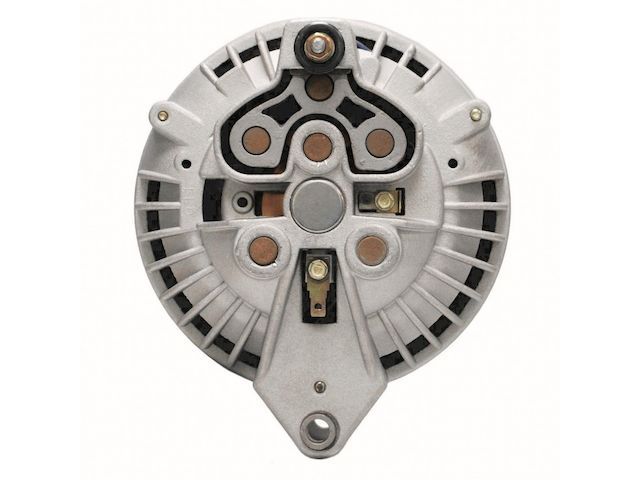
Over the long production run of the Dart, there were variations. Before ordering, check if you need a single or dual-groove pulley. Also, be aware of the alternator's field type. Pre-1970 models typically used a "grounded-field" alternator, while 1970 and later models used an "isolated-field" design to work with the newer electronic voltage regulator. Using the wrong type can cause charging problems.
New Aftermarket Alternator Cost for 1960-1977 Dodge Dart
| Part Type | Price Range |
|---|---|
| New Aftermarket Alternator | $76.84 - $291.89 |
| Shop Labor for Installation | $100 - $200 |
Frequently Asked Questions
Do I need to replace my voltage regulator at the same time?
It is highly recommended. The alternator and external voltage regulator work as a team. A failing regulator can quickly destroy a new alternator by causing it to overcharge, and a bad alternator can damage the regulator. Given their relatively low cost, replacing both at the same time is cheap insurance.
🎬 Learn how a bad voltage regulator can damage your Mopar.What amperage do I need?
A stock vehicle will be fine with a standard 40-60 amp unit. If you have added an electric cooling fan, a large stereo system, fuel injection, or modern lighting, you should upgrade to a higher amperage alternator (e.g., 95 amps or more) to handle the extra load.
Is a higher-amperage alternator always better?
Not necessarily. If your car is stock, a high-output alternator is not required. However, it won't harm anything. If you do upgrade, make sure your wiring is in good condition. It is often recommended to upgrade the main charge wire from the alternator to the battery to safely handle the increased current.
How do I know if it's the alternator or just a bad battery?
A simple test is to jump-start the car. If the car starts and then dies shortly after the jumper cables are removed, the problem is likely the alternator not charging the system. If the car runs fine after being jumped but won't start again on its own later, the battery may be unable to hold a charge (though a weak alternator could also be the root cause).
Helpful Videos
Technical Specifications
Varies by year and engine. Key specs to verify are mounting style (square-back vs. round-back), pulley type (single or double groove), and field type (grounded-field for pre-1970, isolated-field for 1970+). Stock amperage was typically between 35 and 60 amps.
We Have This Part in Stock

The information in this article is provided for general reference and educational purposes only. Vehicle specifications, procedures, and part compatibility can vary by production date, trim level, and region. Always consult your vehicle's factory service manual and verify part numbers before purchasing or performing repairs. Safety-critical components such as airbags, seat belts, and braking systems should be installed by a qualified professional.
- 🎬 Helpful Videos
- 🛍️ Shop This Part
- Understanding Your Dart's Charging System
- Signs of a Failing Alternator
- A Note on the Ammeter Gauge
- Choosing the Right Aftermarket Alternator
- Stock Replacement vs. High-Output
- Brand Quality Tiers
- Check Your Pulley and Field Type
- New Aftermarket Alternator Cost for 1960-1977 Dodge Dart
- Frequently Asked Questions
- 🎟️ Get 5% Off