

Mercury Comet Brake Drum Guide: 1960-1977
Everything you need to know about choosing the right new aftermarket brake drums for your classic Comet.
- Verify your Comet's drum diameter (9" or 10") and bolt pattern (4 or 5 lug) before ordering.
- Always replace brake drums, shoes, and hardware in pairs for balanced and safe braking.
- For a classic car, new aftermarket drums from brands like Bendix, Centric, or Raybestos are a reliable and cost-effective choice.
- While you're replacing the drums, it is highly recommended to replace the wheel cylinders to prevent future leaks.
Symptoms of a Worn Brake Drum
Your Comet will give you signs when the brake drums are getting worn out. One of the most common is a vibration or pulsation you can feel in the brake pedal when you press it. You might also hear scraping or grinding noises coming from the wheels, which could mean the drum is worn down. If your parking brake feels loose or doesn't hold the car securely, it can also point to worn rear drums. A visual inspection is the best way to be sure; look for deep grooves, a large lip on the edge, or dark, bluish spots which indicate overheating.
Brake Pedal Pulsation
If you feel a pulsing in the brake pedal, it's often caused by an out-of-round drum. This means the drum's circular shape is no longer perfect, causing the brake shoes to grab and release unevenly as the drum spins. This is a clear sign that replacement is needed.
Choosing the Right Aftermarket Brake Drum
Since your 1960-1977 Mercury Comet is a classic, finding original Ford "new old stock" (NOS) parts is very rare and expensive. The good news is that many modern aftermarket companies produce high-quality replacement drums that meet or exceed original factory specifications. The Comet shares its platform with other Ford models like the Falcon, Maverick, and Mustang, so many brake parts are interchangeable. This makes finding the right part much easier.
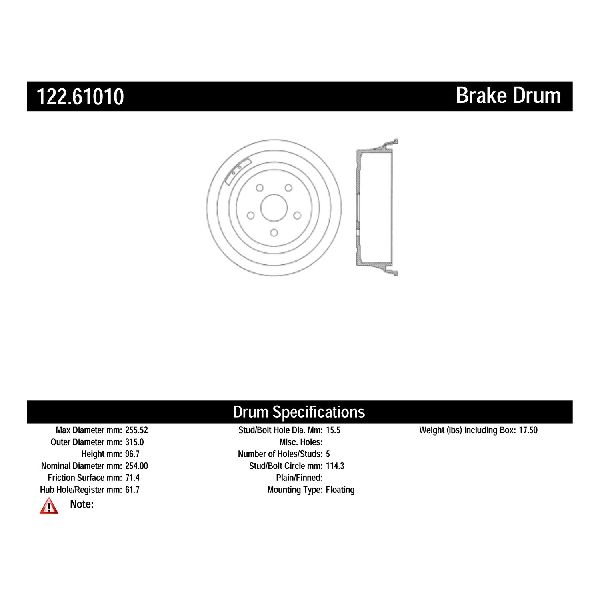
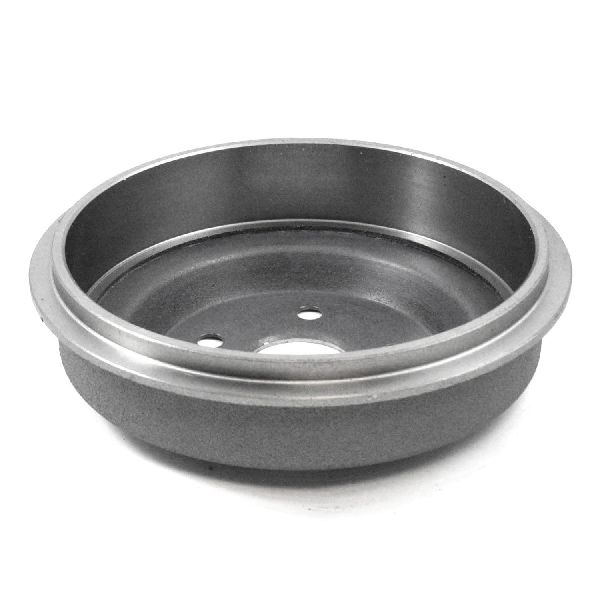
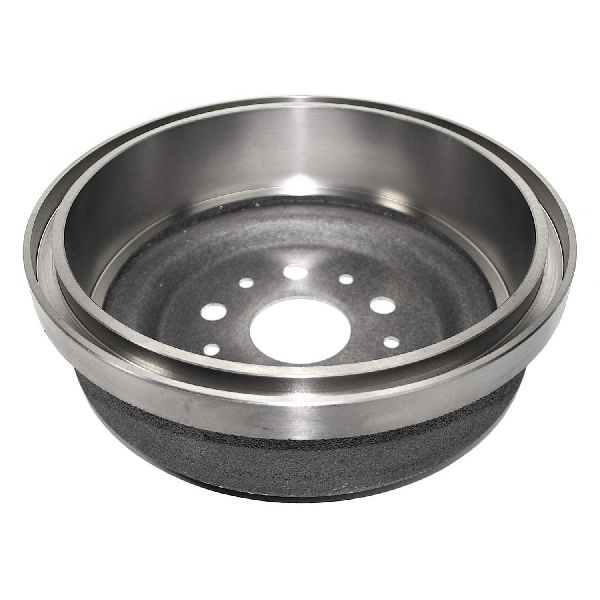
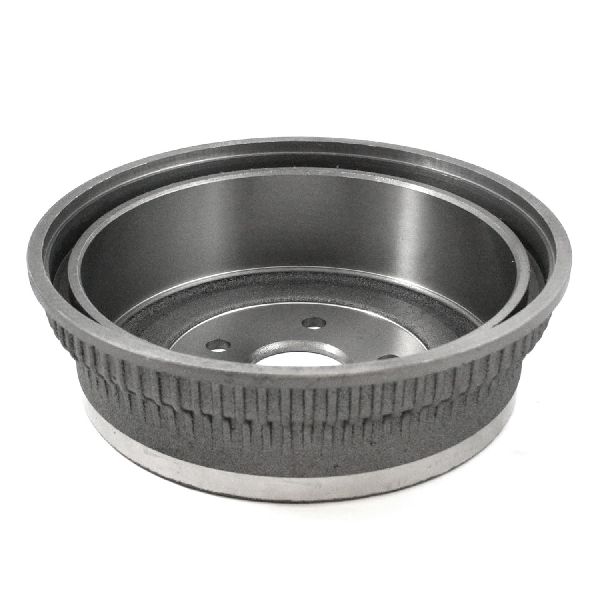
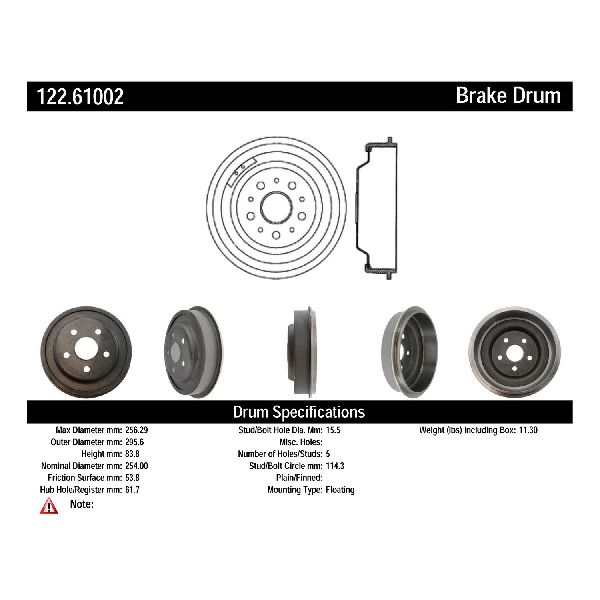
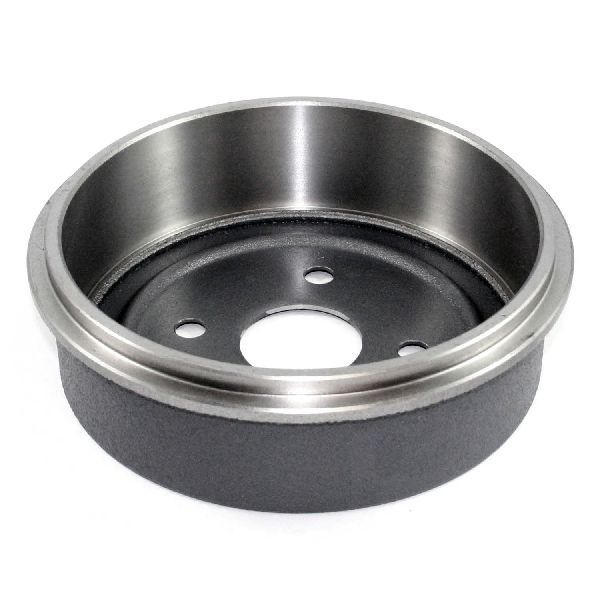
When shopping, you'll see drums listed by diameter (commonly 9-inch or 10-inch) and bolt pattern (4-lug or 5-lug). It is critical to order the correct size for your specific year and model, as these varied depending on the engine (6-cylinder vs. V8) and body style.
Aftermarket Brand Tiers
For a classic car that sees normal driving, you don't need expensive high-performance parts. A quality standard replacement drum will work perfectly. Here’s a look at the available brands:
- Bendix: A well-known name in brakes, Bendix has a long history and is considered a reliable choice. Their drums are designed to match original factory specifications for a safe, smooth stop.
- Centric: Centric is a very common and popular aftermarket brand that offers a wide range of parts for classic cars. They are often considered a good balance of quality and price.
- Raybestos: Another legacy brand, Raybestos is a top choice for many repair shops and offers quality parts that are considered equivalent to original equipment.
- Dynamic Friction: This brand often promotes modern features like a protective coating to prevent rust and being 100% balanced to prevent vibration. Owner reviews for use on classic cars have been positive.
- Pronto: Often seen as a budget-friendly option, Pronto parts are widely available. For a daily driver or a car that isn't driven hard, they can be a suitable choice.
Replace in Pairs
Always replace brake drums in pairs on the same axle (both front or both rear). Replacing only one can cause uneven braking, making the car pull to one side when you stop. Also, plan on replacing the brake shoes and hardware kit at the same time. It's also a very good idea to replace the wheel cylinders, as they are prone to leaking on older cars.
Cost to Replace Mercury Comet Brake Drums
| Part/Service | Estimated Cost |
|---|---|
| New Aftermarket Brake Drum (per drum) | $48 - $101 |
| Brake Shoes (per axle) | $25 - $50 |
| Hardware Kit (per axle) | $15 - $30 |
| Wheel Cylinders (per wheel) | $15 - $40 |
| Shop Labor (per axle) | $200 - $400 |
| Total Professional Replacement (per axle) | $350 - $700+ |
Frequently Asked Questions
Are there any recalls for my Comet's brakes?
No, there are no open recalls from the National Highway Traffic Safety Administration (NHTSA) for the brake drums on any 1960-1977 Mercury Comet. An investigation was opened for fuel tanks on 1971-1973 models, but it was not related to the brake system.
Can I install brake drums myself?
Yes, if you have mechanical experience and the right tools, this is a manageable DIY job. You will need a jack and jack stands, a lug wrench, a brake spoon for adjustments, and a drum brake hardware tool kit. Many online videos show the general process for classic Fords. However, drum brakes have many small springs and clips, so taking a picture before you start is highly recommended.
Should I get my old drums resurfaced?
Resurfacing (also called turning) means machining the inside surface of the drum to make it smooth again. This is only possible if the drum has enough metal left and isn't worn past its maximum diameter, which is stamped on the drum itself. For a classic car, where the drums may have been turned before, replacement with a new part is often the safer and more reliable option.
What's the difference between 9-inch and 10-inch drums?
Ford used different brake sizes depending on the vehicle's weight and power. Generally, 6-cylinder Comets came with smaller 9-inch drums, while V8 models were equipped with larger 10-inch drums for more stopping power. It is essential to verify which size your car has before ordering parts.
Technical Specifications
OEM Part Numbers: C0DZ1126A C0DZ1126C C0DD1126A
Common Diameters: 9 inch, 10 inch. Bolt Patterns: 4-lug and 5-lug (4.5" bolt circle). Material: Cast Iron.
We Have This Part in Stock

The information in this article is provided for general reference and educational purposes only. Vehicle specifications, procedures, and part compatibility can vary by production date, trim level, and region. Always consult your vehicle's factory service manual and verify part numbers before purchasing or performing repairs. Safety-critical components such as airbags, seat belts, and braking systems should be installed by a qualified professional.