

A Guide to the Automatic Transmission Oil Cooler for the 1960-1979 Cadillac DeVille
Keep your classic DeVille's transmission from overheating and ensure its longevity with the right new cooler.
- An effective transmission cooler is critical for the heavy 1960-1979 Cadillac DeVille to prevent transmission failure from overheating.
- Symptoms of a bad cooler include red fluid leaks, a burning smell, and poor shifting performance.
- New aftermarket coolers are the best option; Hayden is a well-regarded brand for this application.
- While you're replacing the cooler, it is essential to also replace the old rubber cooler lines.
Is Your Transmission Overheating? Symptoms of a Bad Cooler
A failing transmission cooler can cause serious problems. If you notice any of these signs, it's time to inspect your cooling system. An overheating transmission is the #1 cause of automatic transmission failure.
- Transmission Fluid Leaks: This is the most obvious sign. You may see puddles of red or brownish fluid under the front of your car. The cooler itself or the lines running to it can corrode and leak over time.
- Overheating Transmission: You might notice a burning smell, which is the smell of burnt transmission fluid. This indicates the fluid is getting too hot to do its job, which can quickly damage internal transmission parts.
- Poor Shifting: When the fluid is too hot, it loses its ability to lubricate and create pressure properly. This can cause gears to slip, or shifts to feel delayed or harsh.
- Unusual Noises: Whining, clunking, or grinding sounds can signal that the transmission is not being lubricated properly due to low or burnt fluid.
Choosing the Right Aftermarket Cooler for Your DeVille
For a classic car like the 1960-1979 DeVille, finding a new original cooler from GM is not realistic. Your choice is between a used original part, a rare New Old Stock (NOS) part, or a new aftermarket cooler. Aftermarket is the most common and reliable choice for most owners. These coolers are designed to be universal but work very well on classic cars.
There are two main types you will find:
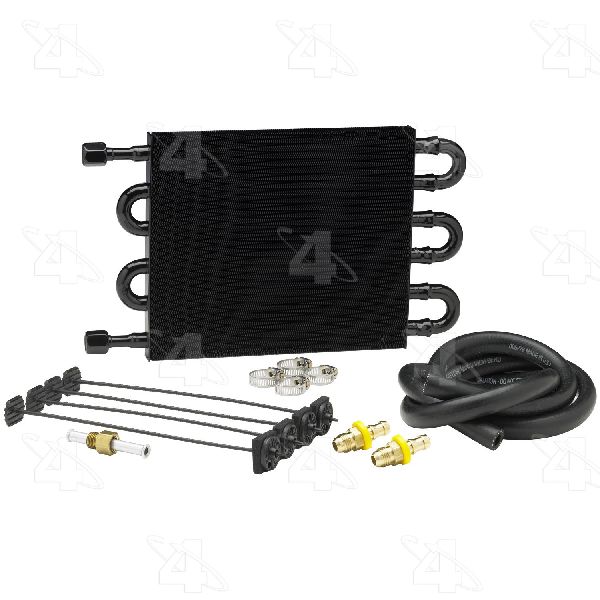
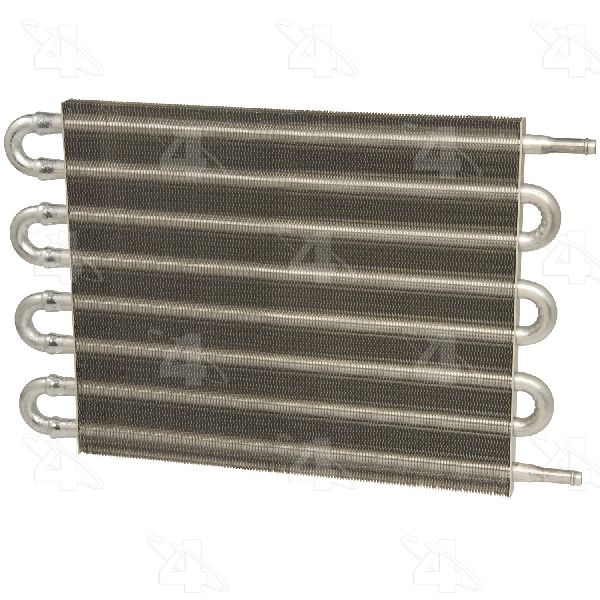
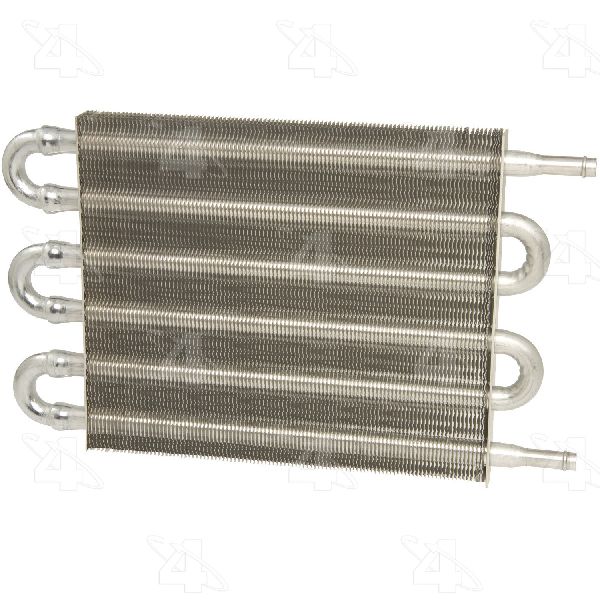
- Tube-and-Fin: This is a simple design where fluid runs through a tube and air passes over fins. It's effective and affordable.
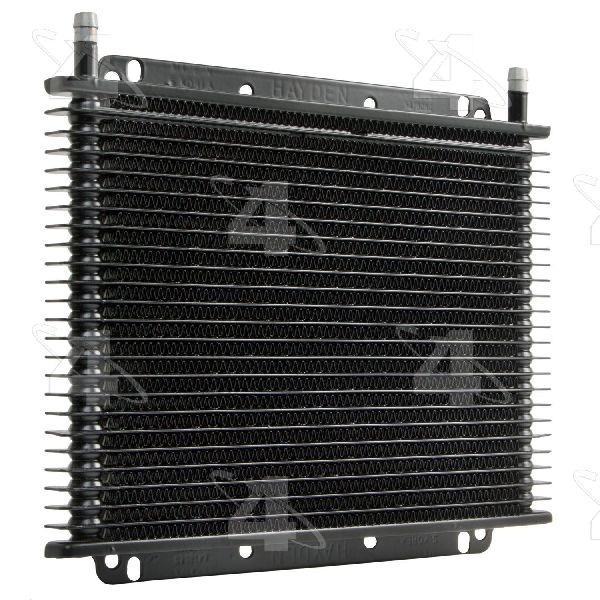
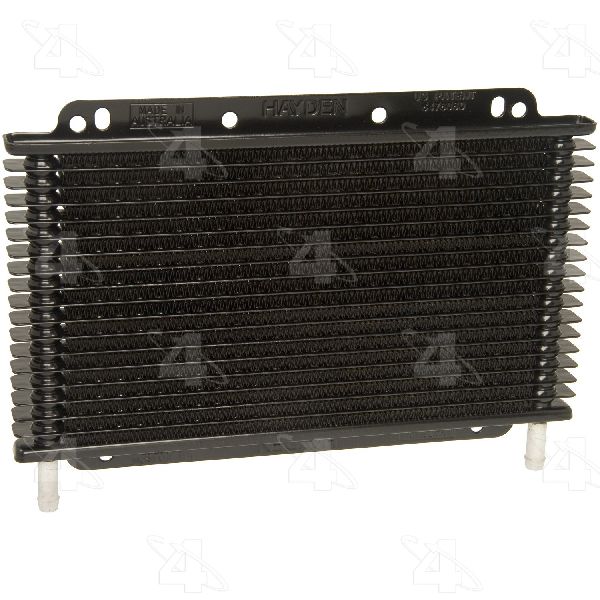
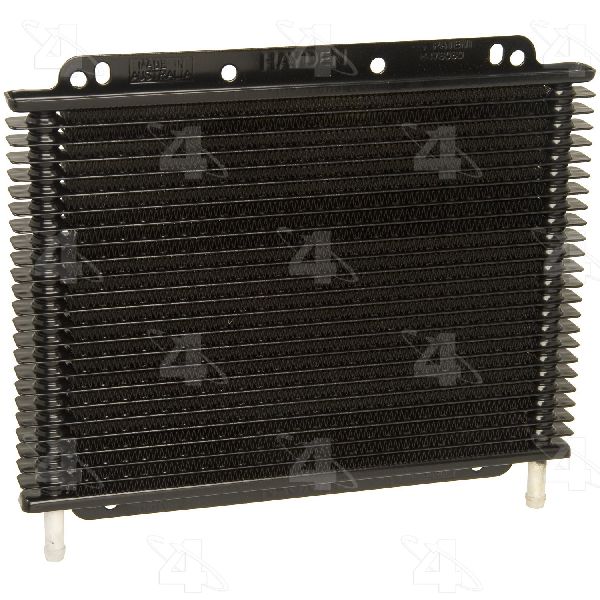
- Stacked-Plate: This is a more efficient and durable design that can handle more heat. For a heavy car like a DeVille, especially if you drive in hot climates or traffic, a stacked-plate cooler is a worthwhile upgrade.
Brand Quality: Hayden vs. Four Seasons
When shopping, you will likely see two main brands available: Hayden and Four Seasons.
Hayden: This brand is well-known and generally trusted in classic car and truck communities for transmission coolers. Many DIY mechanics have used them for years with good results. They are considered a safe and reliable choice.
Four Seasons: This is another major aftermarket brand. While they produce a wide range of parts, some users have reported mixed quality on their other components, like air conditioning parts. While their transmission coolers may be perfectly fine, Hayden has a stronger positive reputation specifically for this part among classic car owners.
Estimated Replacement Costs
The cost to replace the transmission cooler on a classic DeVille is much more affordable than on a modern car. The part itself is not expensive, and the labor is straightforward for a mechanic.
| Part/Service | Estimated Cost |
|---|---|
| New Aftermarket Cooler | $57 - $105 |
| Shop Labor | $150 - $300 |
| Total Estimated Cost | $207 - $405 |
Note: Costs are estimates and can vary based on your location and the specific hourly rate of your repair shop. This does not include the cost of new transmission fluid.
Frequently Asked Questions (FAQ)
Is a bigger transmission cooler always better?
For a large, heavy car like the Cadillac DeVille, a larger cooler provides better heat dissipation and more protection for the transmission. Upgrading to a slightly larger or more efficient (stacked-plate) cooler than the original is often a good idea, especially for driving in hot weather or traffic.
Can I replace the transmission cooler myself?
Yes, this is a DIY-feasible job for someone with basic mechanical skills and tools. The process involves draining some fluid, disconnecting the cooler lines, unbolting the old cooler, and installing the new one. Be prepared for a messy job, as transmission fluid will spill. Always use a flare nut wrench on the line fittings to avoid stripping them.
Should I bypass the cooler in the radiator?
Most classic cars run the transmission fluid through a small cooler inside the main engine radiator first, and then sometimes to an auxiliary cooler. For maximum cooling, the best setup is to run the fluid from the transmission, to the radiator cooler, then to your new aftermarket cooler, and finally back to the transmission. This provides the most cooling capacity. Completely bypassing the radiator is not recommended unless the radiator cooler is known to be leaking internally.
What are common mistakes when ordering this part?
The biggest mistake is not getting new hoses and clamps. The old rubber hoses are likely brittle and should be replaced at the same time as the cooler. Also, make sure you have enough transmission fluid on hand to top off the system after the installation is complete, as you will lose some fluid during the process.
Technical Specifications
The 1960-1979 Cadillac DeVille primarily used an external, tube-and-fin style automatic transmission oil cooler, often in conjunction with an in-radiator cooler. The transmission used for most of this period was the GM Turbo-Hydramatic 400 (TH-400), which requires significant cooling capacity. Aftermarket replacements are typically universal and are chosen based on size and cooling efficiency (tube-and-fin vs. stacked-plate).
We Have This Part in Stock

The information in this article is provided for general reference and educational purposes only. Vehicle specifications, procedures, and part compatibility can vary by production date, trim level, and region. Always consult your vehicle's factory service manual and verify part numbers before purchasing or performing repairs. Safety-critical components such as airbags, seat belts, and braking systems should be installed by a qualified professional.