

Cadillac Eldorado Transmission Oil Cooler Guide (1960-1981)
Keep your classic Eldorado's transmission running cool and shifting smoothly.
- Heat is the primary enemy of your Eldorado's transmission; a functional cooler is essential.
- Check for fluid leaks under the front of the car regularly; this is the most common sign of a failing cooler or lines.
- Upgrading to a more efficient plate-and-fin style cooler is a wise investment for improved reliability.
- Always replace the flexible cooler lines when installing a new cooler to prevent future leaks.
Is Your Eldorado's Transmission Cooler Failing?
For a classic vehicle like the 1960-1981 Cadillac Eldorado, the original transmission cooler has likely seen better days. Failures are often due to age, corrosion, or physical damage. Recognizing the symptoms of a failing cooler is key to preventing catastrophic transmission damage. Heat is the number one enemy of an automatic transmission.
Key Failure Symptoms
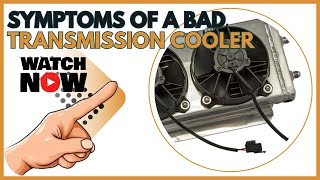
🎬 Watch this guide on warning signs of a bad cooler.- Transmission Fluid Leaks: Puddles of red or brownish fluid under the front of your car are a tell-tale sign. Leaks can come from the cooler itself or the rubber lines connecting to it, which can crack and deteriorate over time.
- Overheating Transmission: This is the most direct symptom. While your dashboard might not have a specific light for this on older models, you might notice a burning smell from the fluid getting too hot.
- Poor Shifting Performance: When transmission fluid overheats, it loses its ability to lubricate and function properly. This can cause delayed or rough shifts, slipping gears, or a feeling of hesitation.
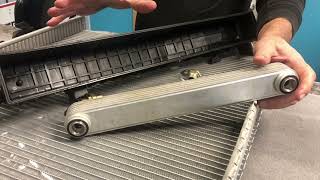
- Fluid Contamination: 🎬 See how internal radiator cracks cause transmission failure. In models where the cooler is integrated into the radiator, a failure can cause coolant and transmission fluid to mix. This creates a milky, pinkish fluid that can quickly destroy both the transmission and the radiator.
Choosing the Right Aftermarket Cooler
Finding a New Old Stock (NOS) OEM transmission cooler for a vehicle of this vintage is nearly impossible and often unnecessary. Modern aftermarket coolers from reputable brands offer excellent performance, often exceeding original specifications. For your Eldorado, you will primarily find two types:
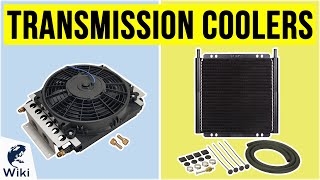
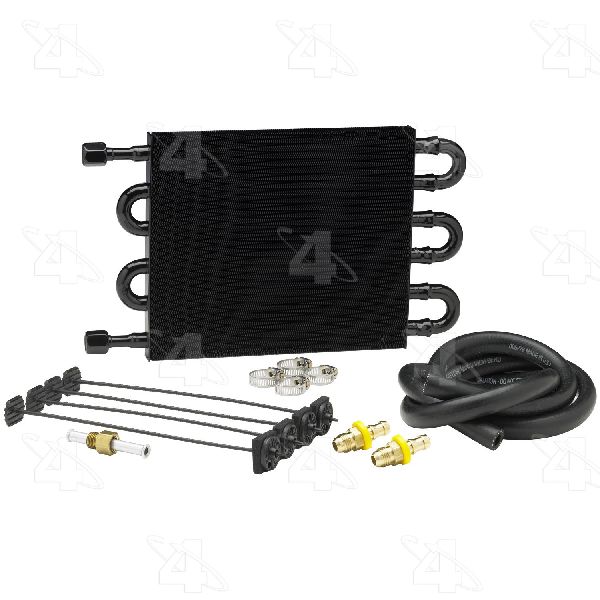
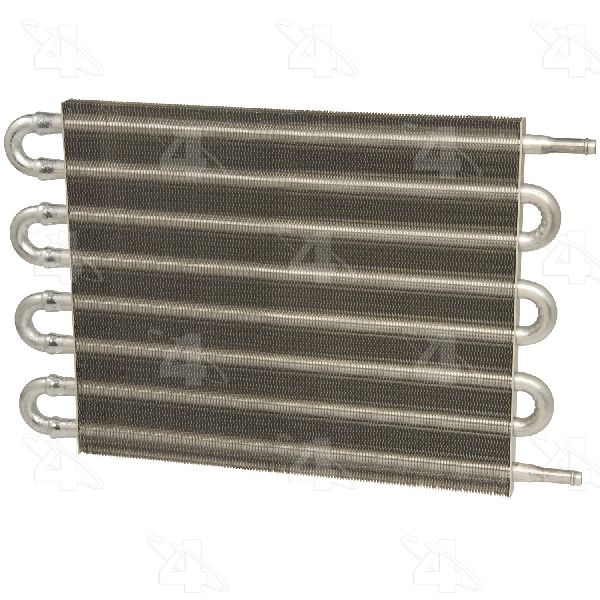
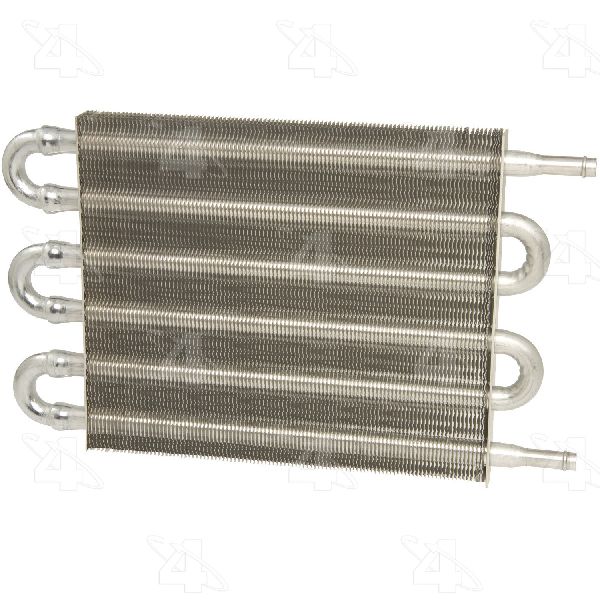
- Tube-and-Fin: This is a traditional design, similar to the original, where fluid runs through a tube that has fins attached to dissipate heat. It's a cost-effective and reliable choice for standard driving.
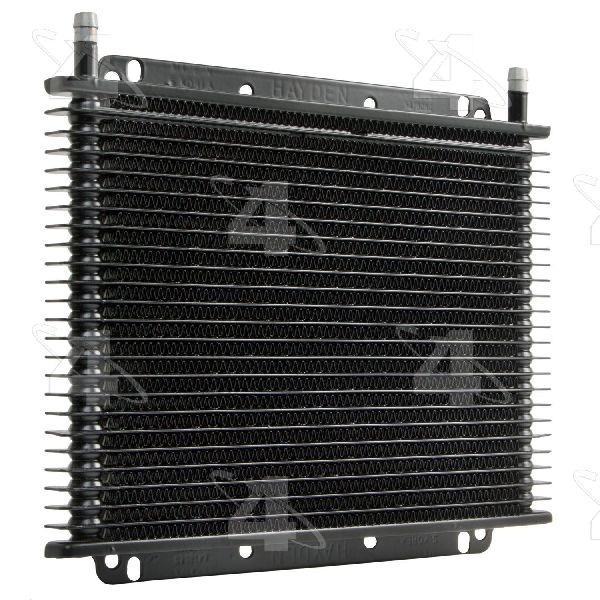
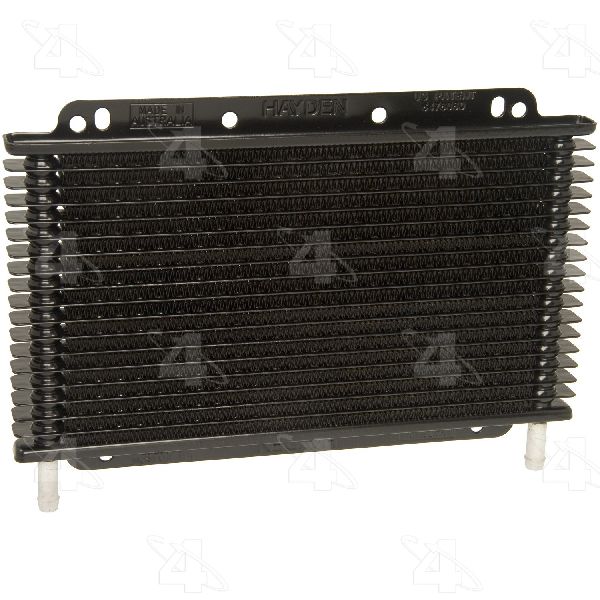
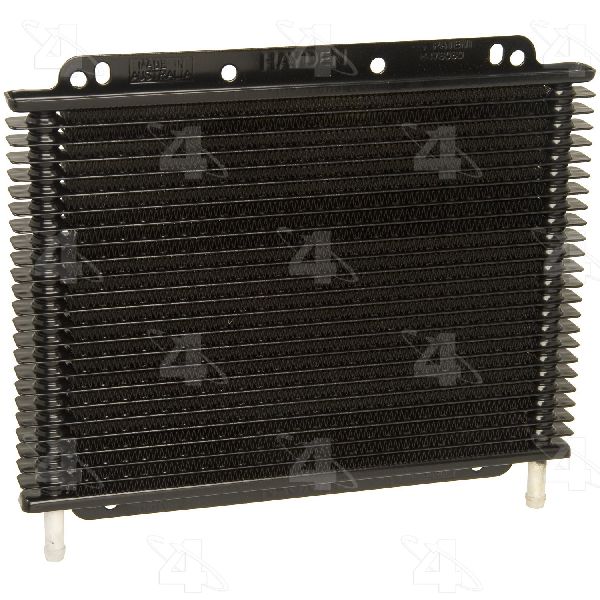
- Plate-and-Fin: This is a more efficient design that forces the fluid through a series of plates, providing a larger surface area for cooling. This type is highly recommended if you live in a hot climate, deal with stop-and-go traffic, or have a higher-performance engine.
Brand Options: Hayden vs. Four Seasons
When shopping for your Eldorado, you'll likely encounter two main brands in the aftermarket:
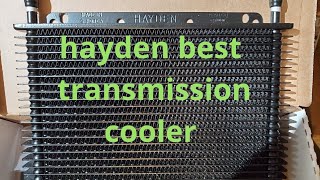
- Hayden: A well-regarded name in transmission cooling, Hayden is known for quality and performance. They offer a range of coolers, including efficient plate-and-fin models that are a great upgrade for classic cars, especially those used for towing or in hot weather. Many installers trust Hayden for its reliability.
- Four Seasons: A major supplier of a wide range of automotive climate control and cooling parts. Four Seasons provides reliable, OE-style replacement coolers. While some users have had mixed experiences with other parts from the brand, their coolers are generally considered a solid, standard replacement option.
Pro Tip: For most Eldorado owners, upgrading to a plate-and-fin cooler from a brand like Hayden is a smart investment. The added cooling efficiency provides an extra layer of protection for your classic transmission, especially in modern traffic conditions the car wasn't originally designed for.
Cost to Replace Your Transmission Cooler
The cost to replace a transmission oil cooler can vary. The part itself is affordable, but labor can add up if the old fittings are rusted or hard to access.
| Item | Estimated Cost |
|---|---|
| New Aftermarket Cooler Part | $57 - $105 |
| Shop Labor | $170 - $350 |
| Total (DIY) | $57 - $105 |
| Total (Installed) | $227 - $455 |
Note: Costs are estimates and can vary based on your specific vehicle, location, and the rates of your chosen mechanic. Additional costs for new fluid and replacement lines may apply.
Frequently Asked Questions
Can I install a larger cooler than the original?
Yes, and it's often a good idea. A larger or more efficient (plate-and-fin) cooler provides better heat dissipation, which is beneficial for the longevity of your transmission, especially if you drive in hot climates or heavy traffic. Just ensure it can be securely mounted without blocking too much airflow to the main radiator.
Do I need to replace the cooler lines at the same time?
It is highly recommended. The rubber sections of the original cooler lines are prone to cracking and leaking over time. Replacing them when you install the new cooler is a low-cost preventative measure that can save you from a future leak and potential transmission damage.
How do I know if my cooler is clogged?
A clogged cooler will cause the transmission to overheat. During replacement, a mechanic can use compressed air to check for blockages in the old cooler or the lines. If you've had a major transmission failure, it's crucial to replace the cooler, as metal debris can contaminate it and damage a new or rebuilt transmission.
What type of transmission fluid should I use?
Always consult your vehicle's service manual for the correct type of automatic transmission fluid (ATF). Using the wrong fluid can cause poor performance and damage. When you replace the cooler, you will lose some fluid, so be prepared to top it off or perform a full fluid change.
Helpful Videos
Technical Specifications
Cooler Type: Tube-and-Fin or Plate-and-Fin. Construction: Aluminum. Key consideration is physical dimensions for mounting in front of the radiator.
We Have This Part in Stock

The information in this article is provided for general reference and educational purposes only. Vehicle specifications, procedures, and part compatibility can vary by production date, trim level, and region. Always consult your vehicle's factory service manual and verify part numbers before purchasing or performing repairs. Safety-critical components such as airbags, seat belts, and braking systems should be installed by a qualified professional.