

A Practical Guide to Spark Plugs for the 1961-1967 Triumph 2000
Keep your classic Triumph's engine running smoothly with the right set of new spark plugs.
- The most critical specification is the spark plug gap, which must be set to 0.025 inches.
- Standard, affordable copper spark plugs from brands like Autolite or Champion work perfectly well; expensive iridium plugs are not necessary.
- Symptoms like rough idle, misfiring, and hard starting are common signs of failing spark plugs in a Triumph 2000.
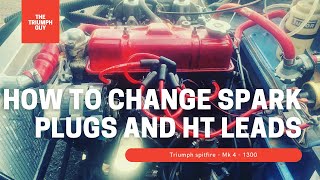
- Replacing spark plugs is an easy and inexpensive DIY job that can be done in under 30 minutes with basic tools.
Signs of Failing Spark Plugs
Because of its straightforward ignition system, the Triumph 2000 is very sensitive to the condition of its spark plugs. Worn or dirty plugs can cause problems that are easy to notice. If you experience any of these symptoms, your spark plugs are a good first place to check.
- Rough Idle: The engine may shake or run unevenly when the car is stopped.
- Engine Misfires: You might feel a hesitation or stumble from the engine, especially when accelerating. 🎬 Watch: How to diagnose a misfire under load A backfire from the exhaust can also be a sign.
- Hard Starting: The engine may take longer than usual to start, or it might not start at all.
- Poor Fuel Economy: If the fuel isn't burning completely, you'll have to fill up the tank more often.
- Loss of Power: The car may feel sluggish and won't accelerate as quickly as it should.
Check the Plug Tips
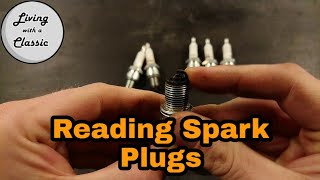
🎬 See this guide on how to read spark plug tipsWhen you remove an old spark plug, look at its tip. A healthy plug will be a light tan or grayish color. If it's covered in black, sooty carbon, it's "fouled," which could mean your fuel mixture is too rich or the spark is weak. If the electrode looks melted or white, the engine may be running too hot.
Choosing the Right Aftermarket Spark Plug
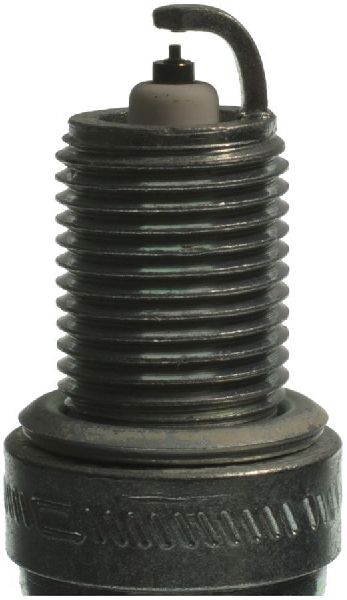
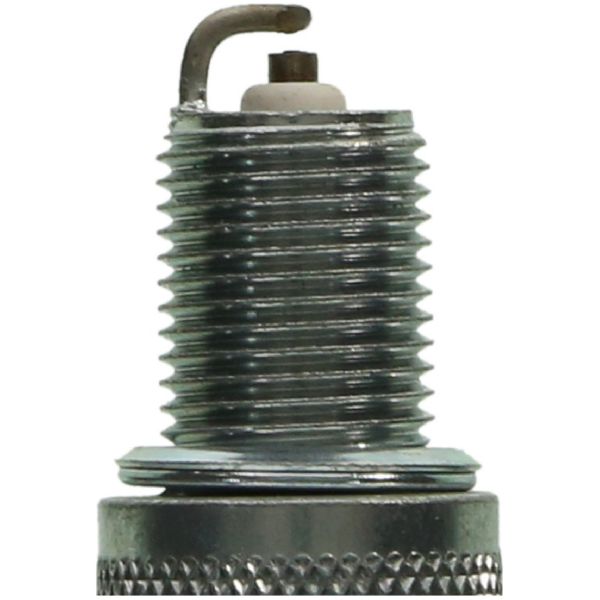
For the 1961-1967 Triumph 2000, the original spark plugs were made by Champion. Today, you have several good aftermarket choices. The most important thing is to get a plug with the correct specifications, not necessarily the most expensive one.
Brand Recommendations
Both Autolite and Champion offer basic, reliable copper-core spark plugs that work well in the Triumph 2000. While Champion was the original brand, some classic car owners in forums have reported issues with the quality of new Champion plugs. Autolite is often seen as a dependable alternative. Many mechanics and owners also trust brands like NGK or Bosch for classic British cars.
Are Expensive Plugs Better?
Modern spark plugs made with platinum or iridium last much longer than traditional copper plugs. However, for a classic engine like the one in the Triumph 2000, they are generally not necessary and provide little to no performance benefit. Standard copper plugs are affordable and perform perfectly well when changed at regular intervals.
Aftermarket Spark Plug Cost
| Brand | Type | Estimated Price (per plug) |
|---|---|---|
| Autolite / Champion | Standard Copper | $3.68 - $12.36 |
Frequently Asked Questions
What is the correct spark plug gap for a Triumph 2000?
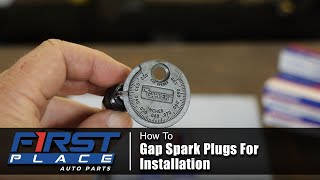
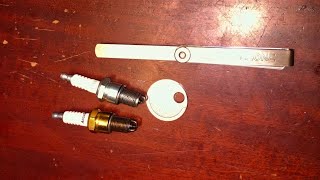
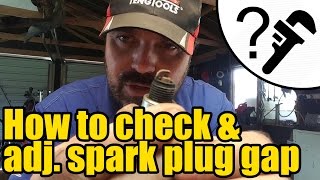
The correct spark plug gap is 0.025 inches (or 0.65 mm). This is a critical specification. Always check the gap with a feeler gauge and adjust it if necessary before installing new plugs.
🎬 Watch: How to gap your spark plugs correctlyHow often should I change the spark plugs?
For standard copper spark plugs in a classic car, a good rule of thumb is to inspect them annually and replace them every 10,000 to 12,000 miles, or every few years if you drive the car less. Given their low cost, it's good preventative maintenance.
What is a spark plug's "heat range"?
The heat range refers to how quickly the spark plug transfers heat away from its tip. A 'hotter' plug stays hotter to burn off carbon deposits, while a 'colder' plug runs cooler for high-performance engines. For a stock Triumph 2000, a standard heat range plug like the original Champion N-9Y or an equivalent is the correct choice.
Are there any recalls or technical bulletins for Triumph 2000 spark plugs?
No, there are no active recalls or Technical Service Bulletins (TSBs) from the manufacturer related to spark plugs for the 1961-1967 Triumph 2000. Any issues you encounter will likely be due to normal wear and tear.
Helpful Videos

Technical Specifications
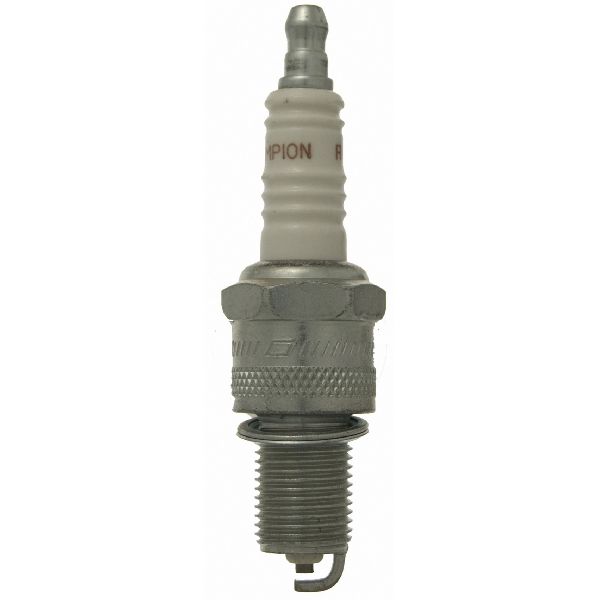
OEM Part Numbers: Champion N-9Y Champion N12Y
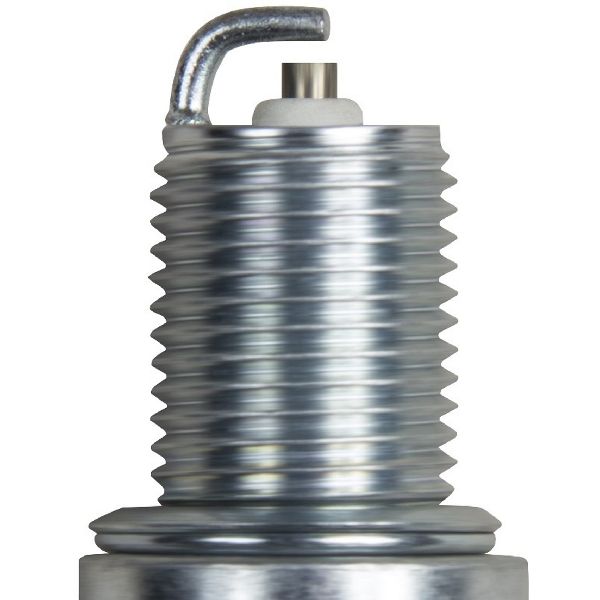
Spark Plug Gap: 0.025 inches (0.65 mm)
We Have This Part in Stock

The information in this article is provided for general reference and educational purposes only. Vehicle specifications, procedures, and part compatibility can vary by production date, trim level, and region. Always consult your vehicle's factory service manual and verify part numbers before purchasing or performing repairs. Safety-critical components such as airbags, seat belts, and braking systems should be installed by a qualified professional.