

Accessory Drive V-Belt Guide for 1961-1968 Dodge Lancer
Keep your classic Lancer running cool and charging properly by understanding its simple V-belt system.
- Your 1961-68 Lancer uses V-belts, not a modern serpentine belt; inspect them regularly for cracks and proper tension.
- A squealing noise is the most common warning sign of a worn or loose belt.
- Failure of the main belt will cause the engine to overheat and the battery to stop charging.
- Quality aftermarket brands like Gates, Dayco, and Continental offer reliable replacements that often exceed original quality.
Understanding Your Lancer's V-Belts
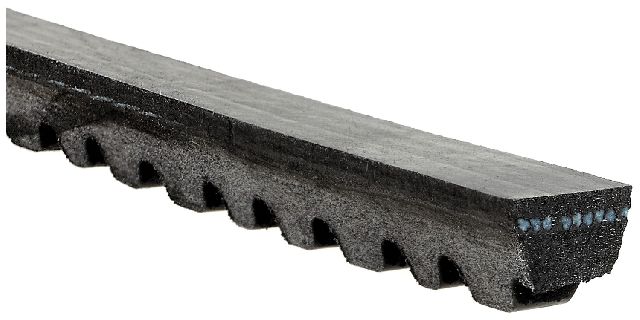
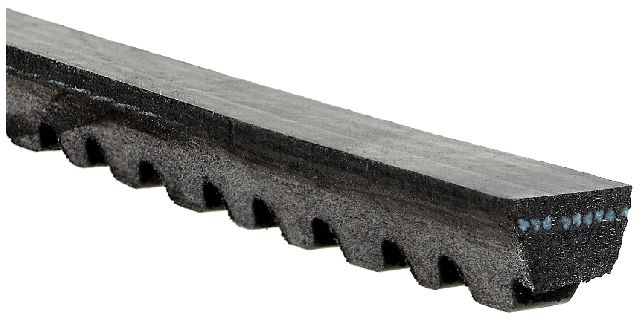
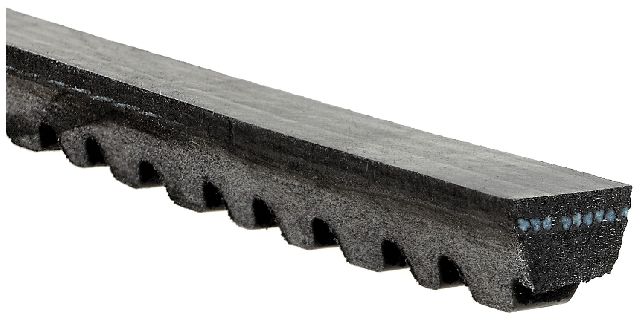
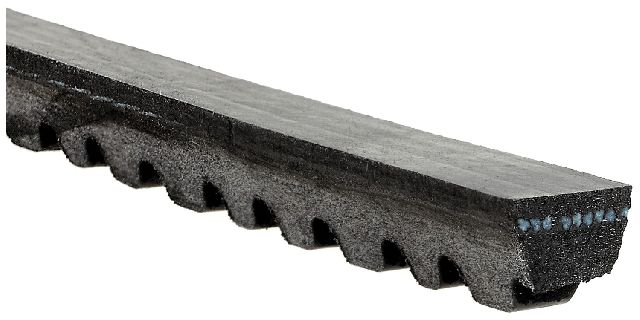
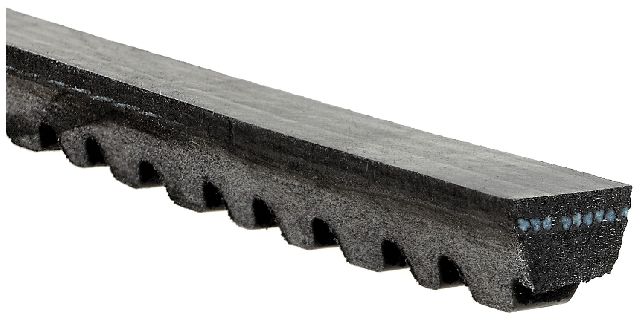
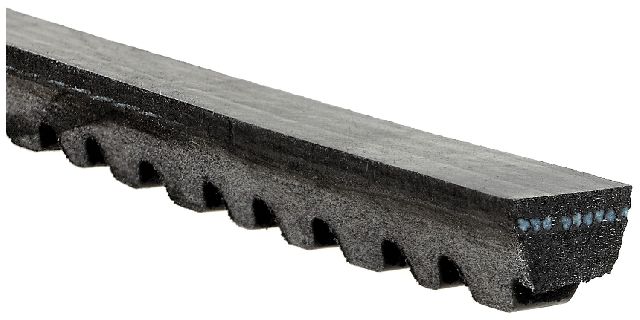
The 1961-1968 Dodge Lancer uses a simple and reliable V-belt system. Unlike modern cars with a single serpentine belt, your Lancer likely has one or more individual V-belts. These belts sit in V-shaped grooves on the pulleys. Their basic function is critical: if a belt for the water pump and alternator fails, your engine will quickly overheat and the battery will stop charging, leaving you stranded.
Signs of a Failing Accessory Drive Belt
Because these belts are so important, you should inspect them regularly. Popping the hood and looking for these symptoms can save you from a breakdown.
- Squealing Noises: A high-pitched squeal, especially on startup, when turning the steering wheel, or when turning on the A/C, is a classic sign of a loose or worn belt.
- Visible Damage: Look for cracks, fraying, glazing (a shiny, hardened appearance), or missing chunks of rubber on the belt.
- Battery Warning Light: If the alternator belt is slipping or broken, the alternator can't charge the battery, which will trigger the battery warning light on your dashboard.
- Engine Overheating: If the belt that drives the water pump fails, coolant will stop circulating, causing the engine temperature to rise rapidly.
A Note on Belt Tension
Incorrect tension is a primary cause of V-belt failure. A belt that is too loose will slip and squeal, generating heat that hardens the rubber. A belt that is too tight puts excessive strain on the bearings of your alternator and water pump, leading to premature failure of those expensive parts. A good rule of thumb is that the belt should have about 1/4 to 1/2 inch of deflection when you press on it in the middle of its longest span.
Choosing the Right Aftermarket V-Belt
For a classic vehicle like the 1961-1968 Dodge Lancer, new OEM Mopar belts are generally not available. However, the aftermarket offers excellent, high-quality replacements from trusted brands. Modern belts from brands like Gates, Dayco, and Continental are made with advanced EPDM rubber compounds that resist heat, oil, and ozone much better than the original 1960s belts.
- Gates: A long-time favorite among mechanics, Gates is known for quality and reliability. Some classic car owners have noted recent changes in material, but they remain a top choice.
- Dayco: Dayco produces durable belts, including industrial-grade V-belts that are known to be extremely tough and resistant to stretching, making them a great solution for classic cars.
- Continental (formerly Goodyear): Continental makes high-quality belts that are well-regarded for their quiet operation and durability.
For a stock Dodge Lancer, a standard quality belt from any of these brands will perform reliably. There is no need to seek out expensive "high-performance" belts for a standard setup.
| Item | Estimated Cost |
|---|---|
| New Aftermarket Belt (Single) | $7.33 - $39.61 |
| Shop Labor to Replace | $60 - $120 |
Frequently Asked Questions
Can I replace the accessory drive belt myself?
Yes, for most mechanically inclined owners, this is a straightforward job. It typically involves loosening the bolts on the alternator or power steering pump to create slack, removing the old belt, fitting the new one, and then re-tensioning the belt by pulling the accessory tight before locking down the bolts. It requires basic hand tools.
How often should I replace my Lancer's V-belts?
Unlike modern cars with set intervals, for a classic car it's more about condition than mileage. Inspect the belts every oil change or at least twice a year. Plan to replace them every 4-5 years as a preventative measure, even if they look okay, as rubber degrades over time.
Why are there multiple belts? Which one do I need?
Your Lancer has separate belts for different accessories. The most important one drives the alternator and water pump. If you have power steering or A/C, there will be additional belts. The key is to measure the old belt's length or find the part number for your specific engine (e.g., 2.8L 6-Cylinder) and accessory combination (e.g., with or without power steering). When in doubt, consult a parts catalog or measure.
Is a squealing belt always a bad belt?
Not always, but it's a warning. The squeal is caused by slipping. This could be due to the belt being old and glazed, but it can also be caused by low tension, pulley misalignment, or contamination from oil or coolant. While a new belt often solves the problem, it's important to make sure the pulleys are clean and aligned and that the new belt is tensioned correctly.
Technical Specifications
The key specifications are the belt's top width and its length. These vary depending on the engine and accessories (power steering, A/C) your Lancer has. Always verify the correct length for your specific application before purchasing.
We Have This Part in Stock

The information in this article is provided for general reference and educational purposes only. Vehicle specifications, procedures, and part compatibility can vary by production date, trim level, and region. Always consult your vehicle's factory service manual and verify part numbers before purchasing or performing repairs. Safety-critical components such as airbags, seat belts, and braking systems should be installed by a qualified professional.