

Dodge Lancer Engine Oil Pressure Switch Guide (1961-1962)
Understanding the oil pressure switch in your classic Dodge Lancer and how to choose a reliable replacement.
- The oil pressure switch is a simple warning light trigger, not a pressure gauge sender.
- If your oil light comes on, always check the oil level first before assuming the switch is bad.
- Aftermarket brands like Standard Ignition are a reliable and cost-effective choice for this part.
- Replacement is a simple DIY task that requires basic tools and should take less than 30 minutes.
Understanding Your Lancer's Oil Pressure System
The 1961-1962 Dodge Lancer was a compact car built on Chrysler's A-body platform, sharing many components with the Plymouth Valiant. For these model years, the oil pressure switch is a straightforward component, typically mounted on the engine block near the oil filter or distributor. Its function is purely as a warning system. Unlike modern cars with gauges that show exact pressure, the switch in your Lancer simply triggers the dashboard light when pressure is too low.
A Note on Vehicle Years: This guide is specifically for the Dodge Lancer produced from 1961-1962. After 1962, the Lancer name was discontinued and replaced by the Dodge Dart. If you have a 1963 or newer Dodge compact, you likely have a Dart, which may use similar, but not always identical, parts.
Symptoms of a Failing Oil Pressure Switch
A bad oil pressure switch can fail in a few ways. Recognizing the signs can help you determine if the switch is the problem or if you have a more serious oil pressure issue.
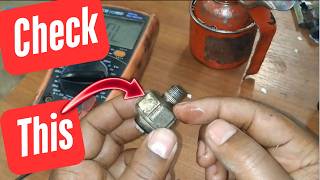
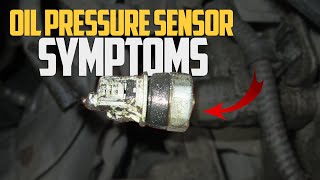
- Oil Light Stays On or Flickers: The most common symptom is the oil pressure warning light on your dashboard illuminating or flickering, especially if you've checked your oil level and it's full. This could mean the switch is faulty and sending a false signal. 🎬 Watch this video to identify common signs of switch failure.
- Oil Light Never Comes On: The switch should cause the oil light to illuminate when you turn the key to the 'on' position before starting the engine. If it doesn't light up at all, the switch (or the bulb) may have failed, which is dangerous because it won't be able to warn you of a real problem.
- Visible Oil Leak: Oil pressure switches can develop leaks over time. You might see oil seeping from the switch's body, the electrical connector, or the threads where it screws into the engine.
Choosing the Right Aftermarket Switch
For a vehicle as old as the 1961-1962 Lancer, finding New Old Stock (NOS) OEM parts is nearly impossible and often very expensive. Aftermarket parts are the most practical and affordable solution. The key is choosing a brand with a reputation for quality.
Brand Tiers:
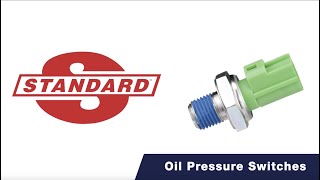
- Standard Motor Products (Standard Ignition): Often considered a top-tier aftermarket brand, Standard has been making quality automotive components for decades. Forum discussions among classic car owners often show a preference for their electrical components due to reliability. They are known for rigorous testing and quality control. 🎬 Learn more about the quality of Standard oil pressure switches.
- Rostra Powertrain: Rostra is another established aftermarket manufacturer. While not always as well-known as Standard among DIY communities, they produce a wide range of reliable automotive sensors and components.
For a simple switch like this, both brands offer a reliable replacement. Given the low cost of the part, choosing a reputable brand like Standard Ignition provides extra peace of mind.
Cost Comparison
| Part Type | Estimated Cost |
|---|---|
| New OEM (NOS) | $50+ (if found) |
| New Aftermarket | $8.97 - $22.22 |
| Used OEM | Not Recommended |
| Shop Labor | $50 - $100 |
Frequently Asked Questions (FAQ)
Is it hard to replace an oil pressure switch?
No, this is a very easy job for a DIY mechanic. It typically involves disconnecting a single wire, using a wrench or special socket to unscrew the old switch, and then screwing in the new one. Always use a thread sealant on the new switch and be careful not to overtighten it. The difficulty rating is 1 out of 5.
My oil light is on. Is it the switch or my engine?
If the oil light comes on, the first step is to immediately check your oil level. If the level is low, top it off. If the oil level is correct but the light stays on, and the engine is making no unusual noises (like ticking or knocking), the problem is very likely a faulty switch. If you hear new engine noises, stop the engine immediately and have it inspected by a professional.
🎬 See what to do next if your oil light stays on.Are there any recalls for the Dodge Lancer oil pressure switch?
No. There are no active recalls or Technical Service Bulletins (TSBs) related to the engine oil pressure switch for the 1961-1962 Dodge Lancer. Recalls and TSBs for modern vehicles are common, but are extremely rare to find for vehicles from this era.
What's the difference between an oil pressure 'switch' and 'sender'?
A 'switch' is a simple on/off device that triggers a warning light. A 'sender' or 'sensor' is more complex and sends a variable signal to power a gauge on the dashboard, showing the actual pressure reading. Your 1961-1962 Lancer uses a simple oil pressure switch for a warning light.
Helpful Videos
Technical Specifications
OEM Part Numbers: 1704329 2256807 2580445 3004106
The 1961 Lancer typically uses a switch with a 1/8 inch thread, while some models may use other sizes. It is a normally closed switch that opens with pressure, designed for a warning light system.
We Have This Part in Stock


The information in this article is provided for general reference and educational purposes only. Vehicle specifications, procedures, and part compatibility can vary by production date, trim level, and region. Always consult your vehicle's factory service manual and verify part numbers before purchasing or performing repairs. Safety-critical components such as airbags, seat belts, and braking systems should be installed by a qualified professional.