

Dodge Lancer Ignition Switch Guide: 1961-1962 Symptoms and Replacement
Is your classic Dodge Lancer having trouble starting or stalling? Your ignition switch might be the problem.
- A common failure symptom is the engine dying after the key returns to the 'Run' position.
- This is a DIY-friendly repair; the switch is held by a retaining ring behind the dash.
- New aftermarket parts from a brand like Standard Ignition are the most practical replacement option.
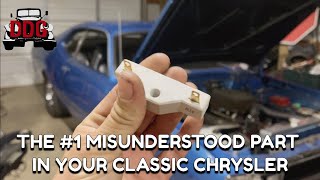
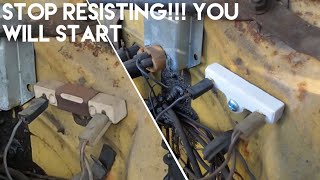
- Always check the ballast resistor and bulkhead connector first, as they can cause similar issues.
Is Your Lancer's Ignition Switch Failing?
The ignition switch is a part that wears out over time from thousands of key turns. In these classic Mopar vehicles, electrical problems often point back to this central component or its related wiring. A failing switch can leave you stranded, but the good news is that identifying the problem is straightforward if you know what to look for.
Common Failure Symptoms
Watch for these signs in your Dodge Lancer:
- Starts Then Stalls: The engine fires up when you're cranking it, but dies as soon as you let the key return to the 'Run' position. 🎬 Watch: Diagnosing a ballast resistor when your engine won't stay running. This is a classic Mopar symptom pointing to a failure in the ignition bypass circuit (IGN2) inside the switch.
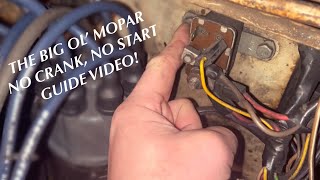
- No-Crank or Intermittent Start: You turn the key and get nothing but silence, or it only works sometimes. Wiggling the key might make it work, which points to worn internal contacts. 🎬 See this guide on diagnosing classic Mopar no-crank and no-start issues.
- Engine Stalls While Driving: The engine may suddenly shut off while you're on the road, which can be very dangerous as it also cuts power to other systems. This can happen if the switch's internal connections are loose.
- Accessory Problems: Your radio, wipers, or dashboard lights might flicker, work intermittently, or not at all. This happens when the switch fails to supply steady power to the accessory circuits.
Check Other Parts First
Before replacing the ignition switch, check related components. On these early A-body cars, a bad ballast resistor, a faulty starter relay, or corroded connections at the bulkhead firewall connector can mimic ignition switch failure. Always check these easier-to-access parts first.
Choosing a New Aftermarket Ignition Switch
For a vehicle like the 1961-1962 Lancer, finding a brand-new original equipment (OEM) part from Dodge is no longer possible. Your options are a used original part, a rare and expensive "New Old Stock" (NOS) part, or a new aftermarket part.
- New Old Stock (NOS): An original part that has been sitting on a shelf for decades. They are the best for a perfect restoration but are very hard to find and can be expensive.
- Used OEM: A part taken from a donor car. It's a gamble; it could work for years or fail tomorrow.
- New Aftermarket: This is the most practical and reliable choice for most owners. Companies manufacture new parts to fit and function like the original.
Brand Spotlight: Standard Motor Products (SMP)
Standard Ignition is a well-known aftermarket brand that has been around for a very long time. For classic American cars, their parts are generally considered a reliable and affordable option. While some long-time mechanics feel the quality has changed over the years as production has moved, Standard is still a trusted name for ignition components and a safe bet for your Lancer. The available Standard switch is a direct-fit replacement, making installation simple.
Installation Tip
Replacing the ignition switch on a '61-'62 Lancer or its sibling, the Plymouth Valiant, is a relatively easy job. After disconnecting the battery, the switch is accessed from behind the dashboard. It is held in place by a large chrome ring around the key cylinder that simply unscrews. Once the ring is off, the switch can be unplugged and removed.
Replacement Costs
| Part Type | Estimated Cost |
|---|---|
| New Aftermarket (Standard Ignition) | $36.70 |
| Shop Labor | $100 - $150 |
| New OEM (NOS) | Varies / Rare |
Frequently Asked Questions (FAQ)
Are there any recalls for the 1961-1962 Lancer ignition switch?
No. There are no open recalls or technical service bulletins (TSBs) from the NHTSA for the ignition switch on the 1961-1962 Dodge Lancer. Major Chrysler ignition switch recalls occurred in the 2010s but affected much newer vehicles.
Can I replace the ignition switch myself?
Yes, this is a DIY-friendly job for someone with basic tools and mechanical skill. The process involves removing a dash panel and unscrewing the retaining ring. Always disconnect the battery before starting any electrical work.
Does the new switch come with a new key and lock cylinder?
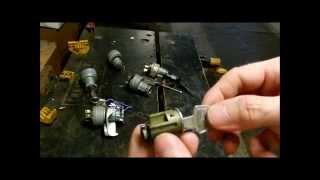
No, this part is only the electronic switch that sits behind the lock cylinder. You will reuse your existing key and lock cylinder assembly. 🎬 Watch: A detailed look at Chrysler ignition switches and keys from this era. The switch is what actually routes the electricity.
My car starts but dies immediately. Is it the ignition switch?
This is a very common symptom of a bad ignition switch in these cars. It happens because the switch is providing power during the 'Start' phase but failing to provide power in the 'Run' phase. This often points directly to a worn-out switch.
Helpful Videos

Technical Specifications
OEM Part Numbers: 1691830 1972298 1972363 2097628 2497158 2864258
The replacement switch is the electrical component only and reuses the factory lock cylinder. It features a 6-terminal connector with copper alloy conductors.
We Have This Part in Stock


The information in this article is provided for general reference and educational purposes only. Vehicle specifications, procedures, and part compatibility can vary by production date, trim level, and region. Always consult your vehicle's factory service manual and verify part numbers before purchasing or performing repairs. Safety-critical components such as airbags, seat belts, and braking systems should be installed by a qualified professional.