

A Guide to Spark Plugs for the 1961-1969 Austin Mini Cooper
Keep your classic Mini's A-series engine running strong by choosing the right spark plugs.
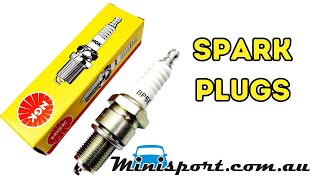
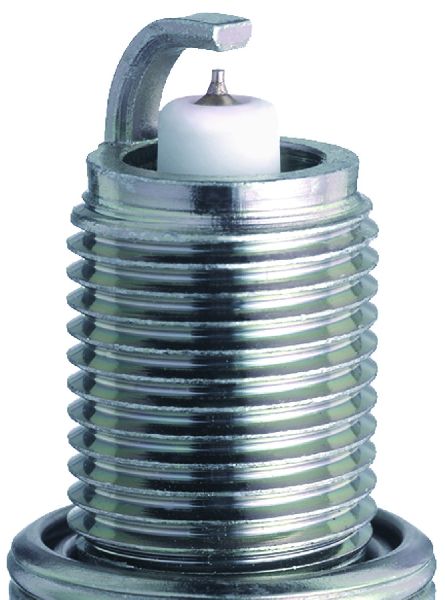
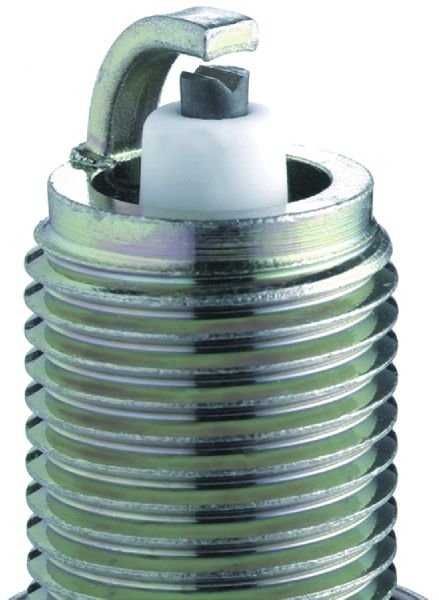
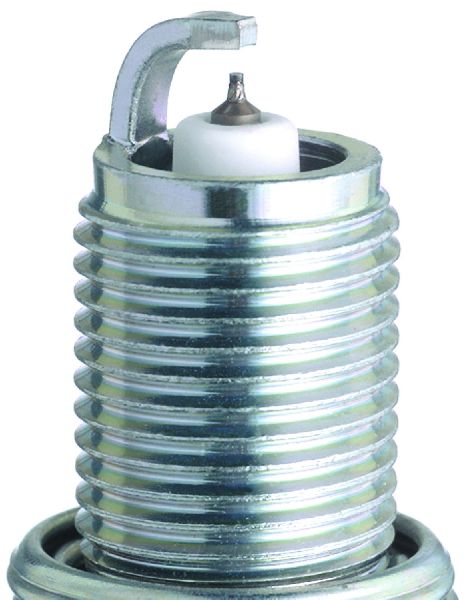
- NGK BP6ES is the most recommended aftermarket spark plug for a standard 1961-1969 Austin Mini Cooper.
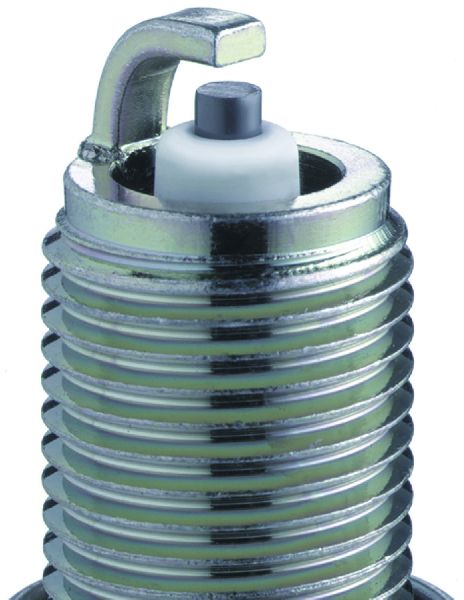
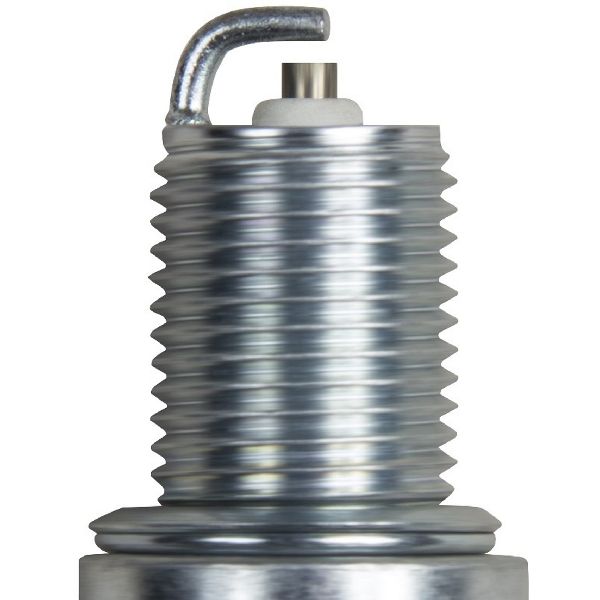
- Always check and set the spark plug gap to 0.025 inches before installation.
- For this vehicle, standard copper plugs are preferred over expensive platinum or iridium types.
- Replacing spark plugs is an easy and inexpensive DIY job that can significantly improve engine performance.
Signs of Failing Spark Plugs in Your Mini

When spark plugs wear out, they can't create a strong enough spark. This can cause a variety of problems. You might notice your Mini is harder to start, idles roughly, or hesitates when you accelerate. Other common symptoms include reduced fuel economy and a general lack of power. If a plug is badly fouled or has failed, it can cause a persistent engine misfire, which feels like a stumble or shake from the engine. Ignoring these signs can lead to more stress on other ignition components.
Choosing the Right Aftermarket Spark Plug

For a vintage car like the 1961-1969 Austin Mini, original equipment (OEM) parts are not a major concern for spark plugs. Aftermarket brands offer excellent quality and performance, often exceeding the standards of the original 1960s plugs. The most important factors are choosing the correct "heat range" and brand reputation.
Aftermarket Brand Tiers
| Brand | Assessment | Common Part Numbers |
|---|---|---|
| NGK | Highly recommended by classic Mini owners and mechanics. Known for reliability and consistent performance. The BP6ES is a go-to plug for standard and lightly tuned A-series engines. | 🎬 Watch this overview of spark plug options for your classic Mini.BP6ES, BPR6ES (for electronic ignition) |
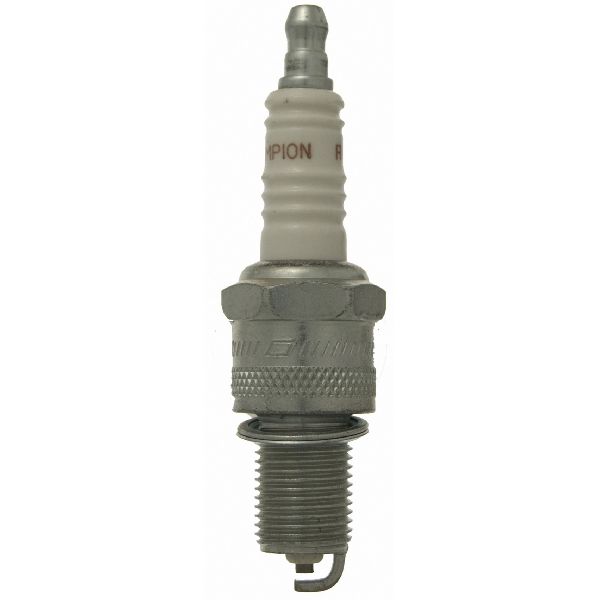
| Champion | A traditional choice and often the original brand specified for these cars. The N9YC is a suitable equivalent to the NGK BP6ES. Some owners have reported mixed experiences with modern Champion plug reliability compared to NGK. | N9YC |
| Autolite | A widely available and affordable copper plug option. While functional, they are not as commonly recommended in Mini forums as NGK or Champion. Some users of other vehicles have reported quality control issues with Autolite plugs. They can be a suitable budget choice if gapped and inspected properly. | 63, APP63 |
Pro Tip: Understanding Heat Range. The number in a spark plug's model (like the '6' in BP6ES) indicates its heat range. A standard Mini engine usually needs a medium heat range plug like the NGK BP6ES. If your engine is highly modified for performance, you might need a "colder" plug (like a BP7ES) to prevent overheating. If you only do short, low-speed trips, a "hotter" plug (like a BP5ES) might help prevent carbon fouling.
Cost of Aftermarket Spark Plugs
Spark plugs are an inexpensive but vital maintenance item. You will need four plugs for your Mini's engine. Expect to pay between $15 and $60 for a complete set of four new aftermarket plugs, depending on the brand.
Common Ordering Mistake: Always buy a set of four plugs. Replacing only one failed plug is a temporary fix, as the others are likely near the end of their life too. Mismatched plugs can cause the engine to run unevenly.
Frequently Asked Questions

What should the spark plug gap be for my Austin Mini?
For a standard 1961-1969 Austin Mini, the recommended spark plug gap is typically 0.025 inches (0.6mm). Always double-check the gap with a feeler gauge before installation, 🎬 Learn how to use feeler gauges to set your plug gaps. even if the plugs are advertised as "pre-gapped."
How often should I change my spark plugs?
For a classic car using standard copper plugs, a good rule of thumb is to inspect them every 3,000-5,000 miles and replace them every 6,000 to 12,000 miles, or every 1-2 years. Since they are inexpensive, frequent changes are good preventative maintenance.
Are iridium or platinum plugs better for my classic Mini?
While modern plugs with precious metals like iridium and platinum last longer, they are generally not necessary for a classic Mini's simple ignition system. Standard copper-core plugs like the NGK BP6ES or Champion N9YC provide excellent performance and are more in keeping with the engine's original design. They are also much more affordable.
What do my old spark plugs tell me?
The condition of your old plugs can tell you a lot about your engine's health. A light tan or grayish color on the tip means the engine is running well. Black, sooty deposits can mean the engine is running too rich (too much fuel). Oily deposits could point to an internal oil leak.
Helpful Videos

Technical Specifications
Standard Plug: NGK BP6ES or Champion N9YC Spark Plug Gap: 0.025 in (0.6mm)
We Have This Part in Stock

The information in this article is provided for general reference and educational purposes only. Vehicle specifications, procedures, and part compatibility can vary by production date, trim level, and region. Always consult your vehicle's factory service manual and verify part numbers before purchasing or performing repairs. Safety-critical components such as airbags, seat belts, and braking systems should be installed by a qualified professional.