

A Guide to Universal Joints for the 1961-1969 Buick Special
That clunking, squeaking, or vibration you're feeling might be a bad U-joint calling for attention.
- Inspect your driveshaft first; some models have complex two-piece shafts with a hard-to-service Double Cardan joint.
- For maximum reliability, choose a sealed, non-greasable U-joint from a premium brand like Dana Spicer.
- It is best practice to replace all U-joints at the same time, as they wear out at a similar rate.
- If you experience a vibration after replacement, the driveshaft needs to be professionally balanced.
Is My U-Joint Failing? Common Symptoms
A failing U-joint gives several clear warning signs. Ignoring them can lead to a complete failure where the driveshaft disconnects, leaving you stranded and causing expensive damage. Listen and feel for these symptoms:
- Clunking Noise: A distinct "clunk" or "bang" when you shift from Park into Drive or Reverse is a classic sign of excessive play in a worn U-joint.
- Squeaking or Chirping: A rotational, bird-chirp-like squeak that changes with your speed is often the first sign of a U-joint that has lost its internal lubrication. This sound is most common at lower speeds.
- Vibrations: A vibration that you can feel through the floor of the car, which gets worse at higher speeds, often points to a worn and imbalanced U-joint. Many drivers mistake this for a tire issue, but if balancing your wheels doesn't fix it, the U-joints are a likely suspect.
- Visible Signs: If you look under the car, you might see rust-colored dust around the bearing caps of the U-joint, which indicates the needle bearings inside are failing.
Choosing the Right Aftermarket U-Joint
Since original GM parts for these classic Buicks are no longer made, the aftermarket is your only option. Fortunately, modern aftermarket parts from good brands often exceed the quality of the original 1960s components. The brands available offer a clear hierarchy of quality and price.
Greasable vs. Sealed: What's the Difference?
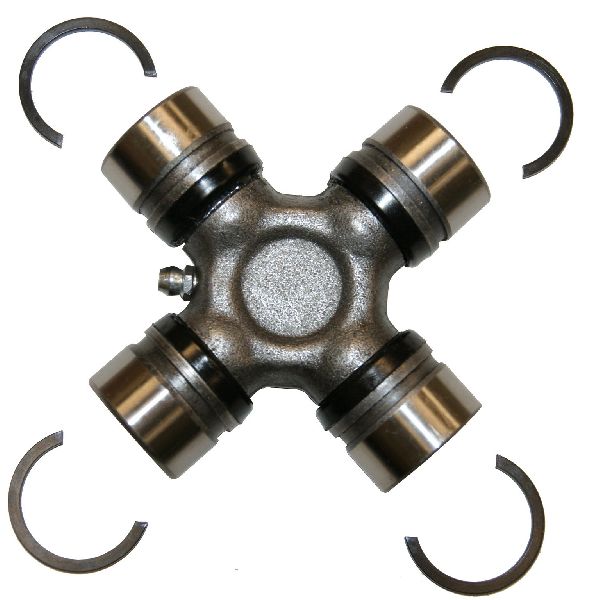
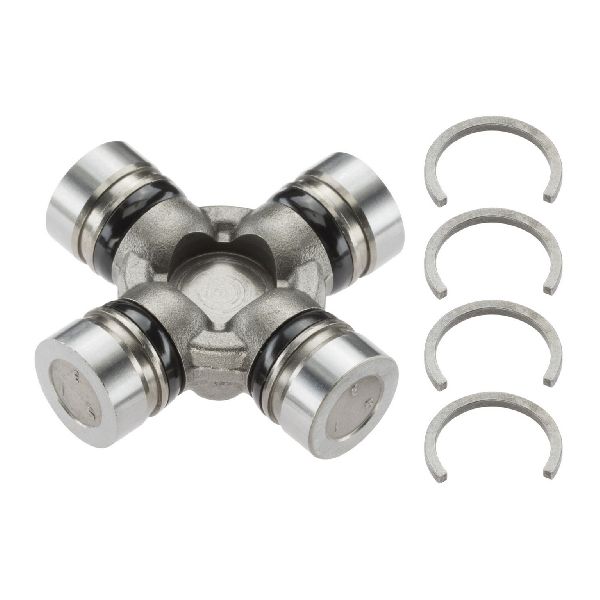
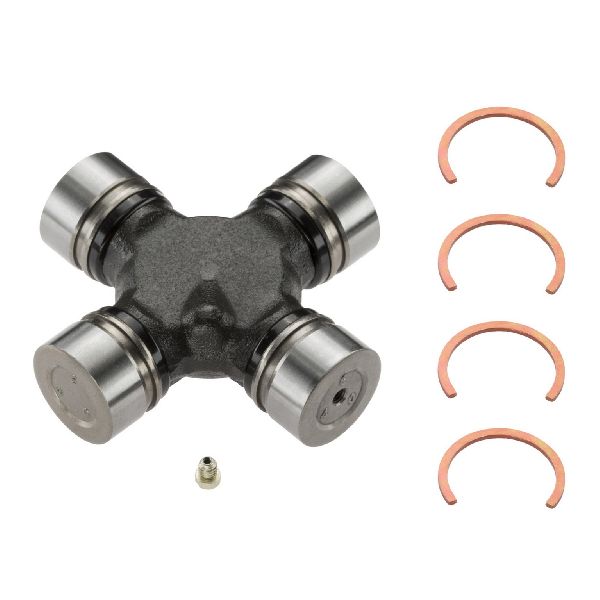
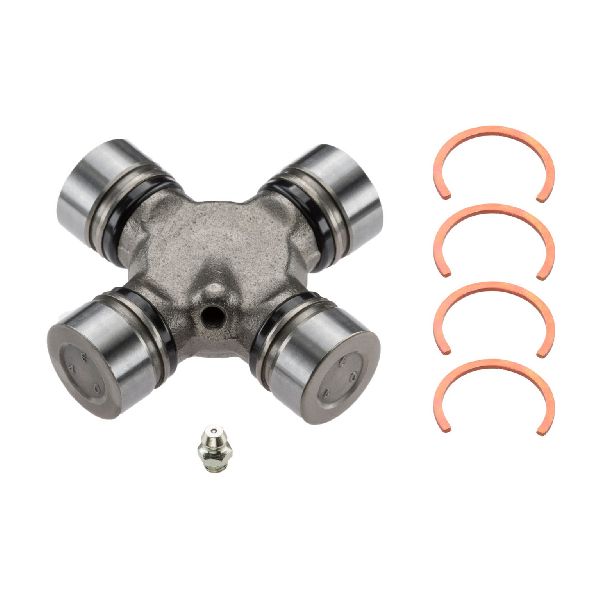
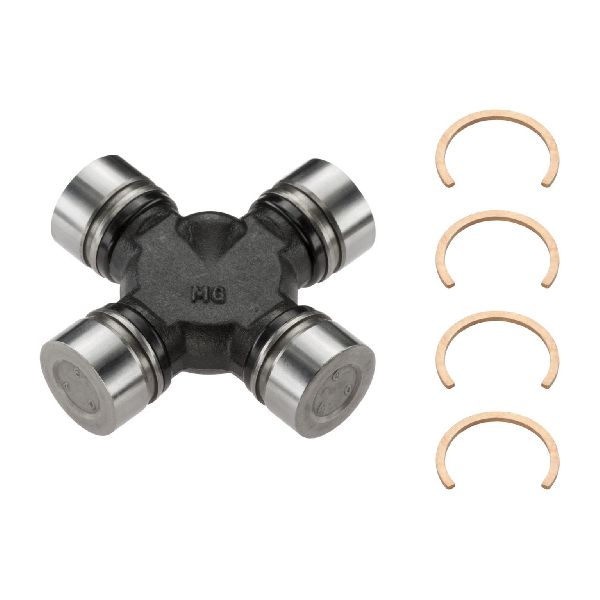
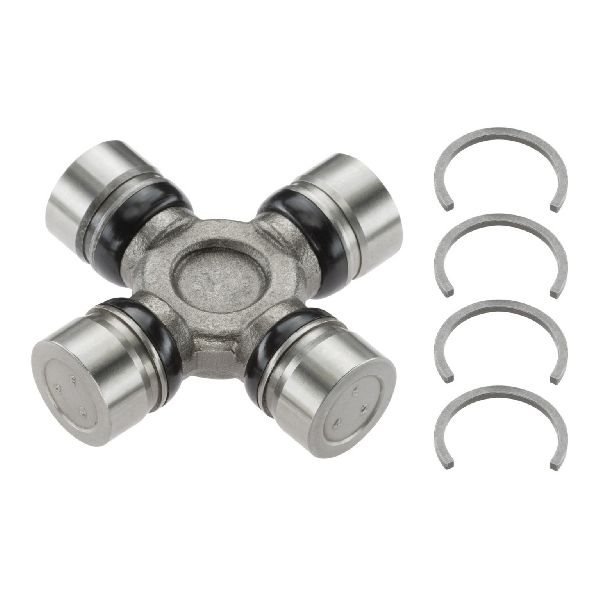
You'll see two types of U-joints: sealed (non-greasable) and greasable (with a zerk fitting). Original factory joints were sealed. High-quality sealed joints from brands like Spicer are often considered superior because they use better seals to keep factory-installed grease in and contaminants out for a very long service life. Greasable joints require regular maintenance; if you don't grease them, their seals are designed to purge old grease and will allow them to dry out quickly, leading to failure. For a classic car that may not be driven daily, a high-quality sealed joint is often the more reliable, maintenance-free choice.
Brand Quality Tiers
- Premium (Best): Dana Spicer
Spicer is the original equipment manufacturer for many American cars and is widely considered the gold standard for U-joints. Enthusiasts and professional mechanics consistently recommend Spicer for their superior materials, precise manufacturing, and long-term durability. If you want the best-fitting, longest-lasting part, choose Spicer. - Quality Standard (Good): Moog & SKF
Both Moog and SKF are well-known for producing quality chassis parts. Moog has a long history of making "problem-solver" parts that are designed to be strong and easy to service. However, some recent opinions suggest their quality can be inconsistent. SKF is a major bearing manufacturer, and their U-joints are generally seen as a reliable, high-quality alternative to Spicer. - Economy (Standard): GMB
GMB is a large manufacturer that produces reliable parts for the standard replacement market. They offer a good balance of quality and affordability, making them a solid choice for a daily driver or a budget-conscious repair.
Important: Check for a Double Cardan Joint
Some Buick models, particularly those with two-piece driveshafts, may use a special assembly called a Double Cardan or Constant Velocity (CV) joint. This looks like two U-joints placed back-to-back. While the U-joints themselves are replaceable, the central ball and socket kit for this assembly is considered obsolete and very difficult to find. Inspect your driveshaft before ordering parts.
Typical Replacement Costs
The cost to replace your U-joints will depend on how many your car has and whether you do the work yourself or hire a shop.
| Item | Estimated Cost |
|---|---|
| New Aftermarket U-Joint (per part) | $19.52 - $72.84 |
| Shop Labor (per joint) | $100 - $200 |
| Total Professional Replacement (2 joints) | $225 - $450+ |
Frequently Asked Questions
How many U-joints does my 1961-1969 Buick Special have?
Most Buick Specials from this era have a simple one-piece driveshaft with two U-joints: one at the transmission and one at the rear axle. However, some configurations, especially on wagons or higher-end models, used a two-piece driveshaft with a center support bearing, which could have three or even four U-joints. It is essential to inspect your vehicle to confirm the exact number before ordering.
Should I replace all the U-joints at the same time?
Yes, it is highly recommended. U-joints wear at a similar rate. If one has failed, the others are likely near the end of their service life. Replacing them all at once saves you from having to do the same job again in the near future.
Can I replace U-joints myself?
This job is possible for an experienced DIY mechanic. However, it can be difficult. Original U-joints were often held in with injected plastic, which must be melted out with a torch. Removing the old joints and pressing in the new ones requires a heavy-duty bench vise, a hydraulic press, or a special U-joint press tool. If the parts are rusted and seized, the job can become very challenging.
I replaced my U-joints, but my car still vibrates. Why?
If you have a vibration after the repair, it's almost always because the driveshaft is now out of balance. This can happen if you didn't mark the orientation of the driveshaft before removal or if the new parts have a slight weight difference. You will need to take the driveshaft to a driveline or machine shop to have it professionally balanced.
Technical Specifications
Driveshafts on the 1961-1969 Buick Special typically use two U-joints on a single-piece shaft or three to four joints on a two-piece shaft. Common U-joint series for GM cars of this era include 1310 and 3R. Some models may feature a Double Cardan (Constant Velocity) joint.
We Have This Part in Stock

The information in this article is provided for general reference and educational purposes only. Vehicle specifications, procedures, and part compatibility can vary by production date, trim level, and region. Always consult your vehicle's factory service manual and verify part numbers before purchasing or performing repairs. Safety-critical components such as airbags, seat belts, and braking systems should be installed by a qualified professional.