

Chevrolet Bel Air Engine Mount Guide (1961-1970)
Everything you need to know about replacing the engine mounts on your classic 1961-1970 Bel Air.
- A major recall for 1965-1969 V8 models addressed mounts that could fail and cause the throttle to stick open; modern replacements are designed to prevent this.
- Choose standard rubber mounts (Anchor, Westar) for a stock ride or polyurethane mounts (Energy Suspension) for higher performance and durability, but expect more vibration.
- Always replace mounts as a complete set to avoid premature failure of the new parts.
- Verify the mount style (e.g., 'short and wide' vs 'tall and narrow') for your specific engine before ordering to ensure correct fitment.
Is Your Bel Air's Engine Shaking? Signs of Bad Engine Mounts
Worn engine mounts can cause a range of issues, from annoying vibrations to serious safety concerns. Because these cars are over 50 years old, the original rubber is likely hardened, cracked, or completely broken down. Watch for these common symptoms:
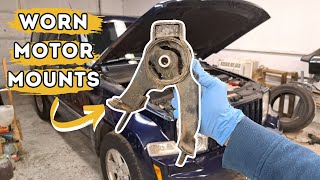
🎬 Watch this video to identify and locate failing engine mounts.- Excessive Vibration: This is the most common sign. You'll feel an unusual amount of shaking in the steering wheel, floor, or seats, especially when idling or first starting the car.
- Clunking or Thumping Noises: Loud clunks or bangs from the engine bay when you accelerate, decelerate, or shift gears often mean the engine is moving and hitting other parts.
- Visible Engine Movement: Open the hood and have a helper gently rev the engine while the car is in park with the brake on. If you see the engine lift or rock excessively, the mounts are likely shot.
A Note on the 1965-1969 V8 Recall
In the late 1960s and early 1970s, GM issued a massive recall for millions of V8-equipped cars, including the Bel Air, due to engine mount failures. The original mounts could separate, allowing the engine to lift under torque. This could jam the throttle linkage, causing unintended acceleration, or damage other components. Most recalled vehicles had a restraining cable installed as a safety measure rather than getting new mounts. Modern replacement mounts feature an interlocking design to prevent this type of failure.
Choosing the Right Aftermarket Mount: Rubber vs. Polyurethane
Since original OEM mounts are no longer produced, you'll be choosing from aftermarket options. The main choice is between standard rubber mounts and performance polyurethane mounts.
Standard Replacement (Rubber)
These mounts are designed to be like the originals. They provide the best vibration absorption for a smooth, quiet, factory-like ride. They are the most affordable option.
- Brands like: Anchor, Westar, DEA Strut, Pioneer Cable
- Best for: Daily drivers, stock restorations, and owners who prioritize comfort.
- Heads-up: The quality of budget-friendly rubber mounts can be inconsistent. Some owners in forums report that brands like Anchor may not last as long as the originals.
Performance Upgrade (Polyurethane)
Polyurethane is a much stiffer and more durable material than rubber. It holds the engine more securely, which can improve throttle response. These mounts are highly resistant to oil and other chemicals that can destroy rubber.
- Brands like: Energy Suspension, Whiteline, Prothane
- Best for: Modified cars with more horsepower, performance driving, or owners wanting maximum durability.
- Heads-up: The stiffness of polyurethane means you will feel more engine vibration inside the car. This is a trade-off for better performance and longevity.
| Type | Typical Price Range |
|---|---|
| Standard Rubber Replacement (e.g., Anchor, Westar) | $5 - $35 per mount |
| Performance Polyurethane (e.g., Energy Suspension) | $40 - $98 per mount/kit |
Pro Tip: Always replace engine mounts in pairs or as a full set. Replacing just one worn mount puts extra stress on the new part and the remaining old ones, leading to premature failure.
Frequently Asked Questions
How many engine mounts does my Bel Air have?
Most 1961-1970 Bel Airs with a V8 or inline-6 engine use a three-point mounting system: two mounts at the front of the engine and one at the rear of the transmission.
Should I choose rubber or polyurethane mounts?
If you want a smooth, quiet ride like the car had when it was new, choose rubber. If you have a high-performance engine or want the most durable part available and don't mind some extra vibration, choose polyurethane.
Are the engine mounts different for a small block vs. a big block engine?
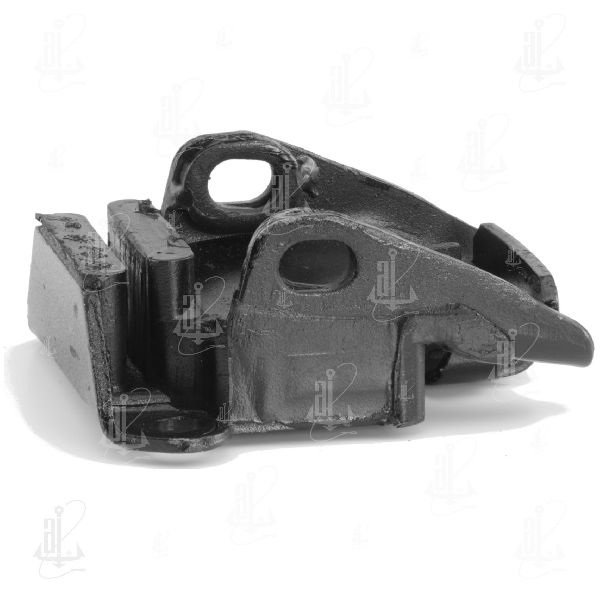
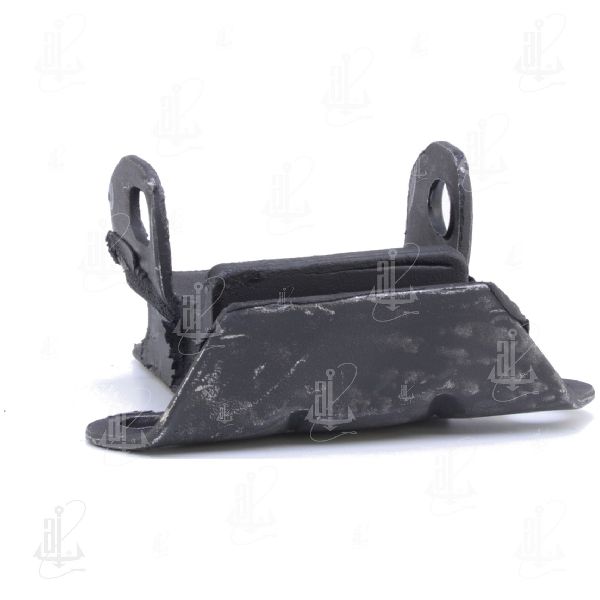
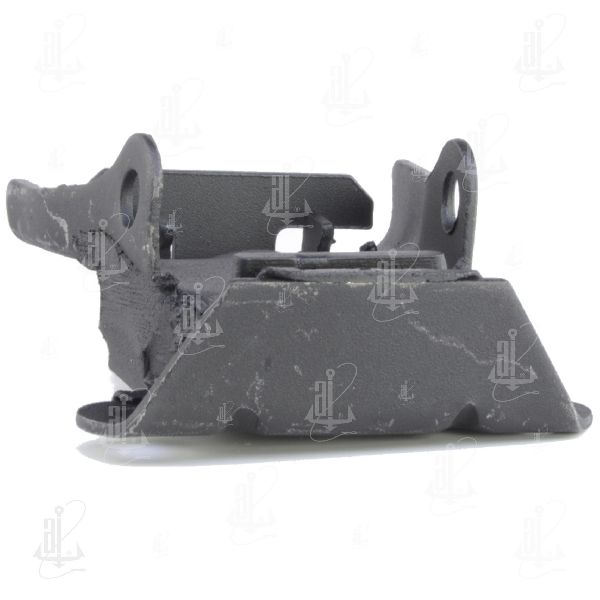
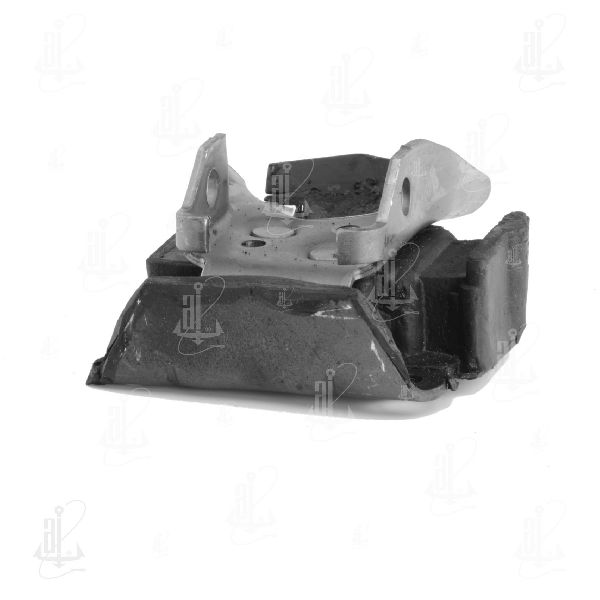
Yes, engine mounts can be different depending on the engine. There are often "short and wide" versus "tall and narrow" styles. It is critical to measure your existing mounts or the frame brackets to ensure you order the correct replacement for your specific engine and year.
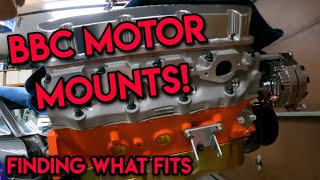
🎬 Learn how to measure and select the correct motor mounts.Can I install new engine mounts myself?
Yes, this is a DIY-friendly job for someone with mechanical experience. It requires safely lifting the engine slightly with a jack or engine hoist to take the weight off the mounts. You will need basic hand tools, a jack, and jack stands. The job typically takes 1-3 hours.
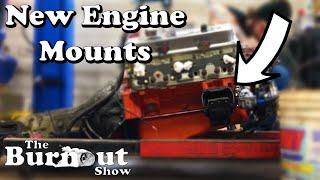
🎬 See a step-by-step guide for installing new Chevy engine mounts.Helpful Videos
Technical Specifications
OEM Part Numbers: 3977234 3954637 3955185 3955186
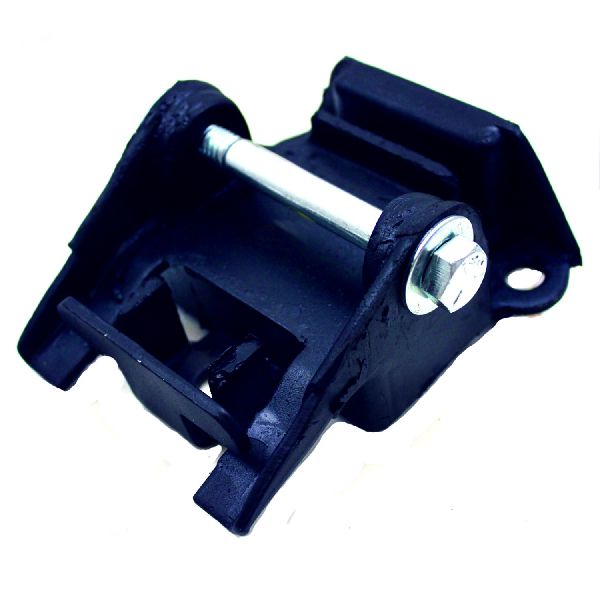
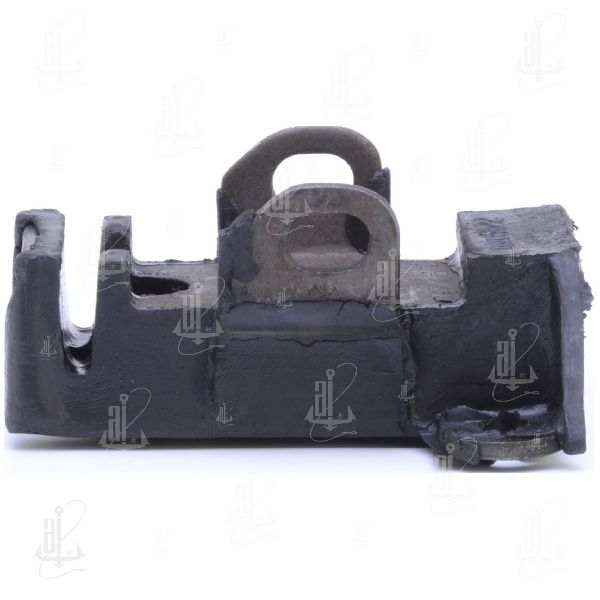
Mounts for the 1961-1970 Bel Air typically consist of two front engine mounts and one rear transmission mount. Front mounts vary by engine type and year, commonly referred to as 'short and wide' (approx. 2 5/8" width) or 'tall and narrow' (approx. 2 3/8" width). Aftermarket options are available in OEM-style rubber or performance polyurethane.
We Have This Part in Stock

The information in this article is provided for general reference and educational purposes only. Vehicle specifications, procedures, and part compatibility can vary by production date, trim level, and region. Always consult your vehicle's factory service manual and verify part numbers before purchasing or performing repairs. Safety-critical components such as airbags, seat belts, and braking systems should be installed by a qualified professional.