

A Guide to Replacing the Carburetor on Your 1961-1970 Oldsmobile Cutlass
If your classic Cutlass is hesitating, stalling, or losing power, it might be time for a new carburetor.
- Common failure symptoms include hesitation, rough idle, stalling, and fuel leaks.
- Aftermarket carburetors from brands like Edelbrock are a popular, reliable upgrade for daily drivability and easy tuning.
- Ensure you select the correct CFM (usually 600-650 for a stock V8), choke type, and check if an adapter plate is needed for your intake manifold.
- Replacing a carburetor is a manageable DIY task for those with some mechanical experience, but proper tuning is required afterward.
Is it Time for a New Carburetor?
The original Rochester carburetor on your 1961-1970 Cutlass was a solid piece of engineering, but after 50+ years, it's common to see problems. Age, wear, and modern ethanol-blended fuels can cause a variety of issues. If you're experiencing poor engine performance, the carburetor is one of the first places a mechanic will look.
OEM vs. Aftermarket Carburetors
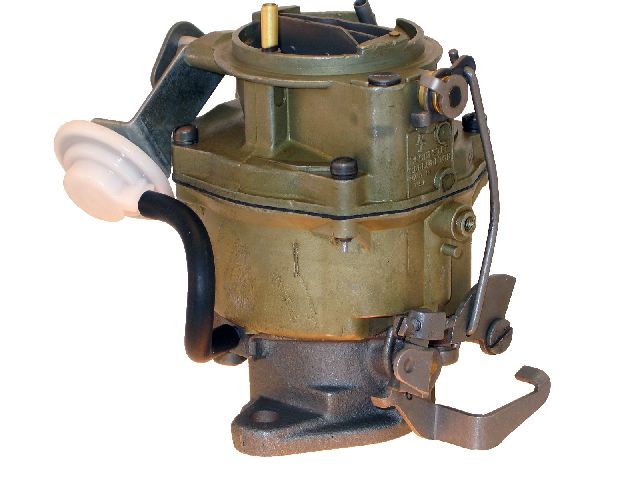
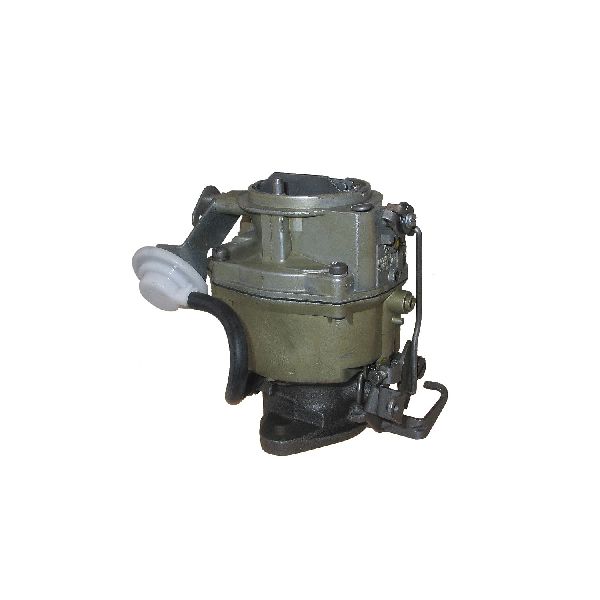
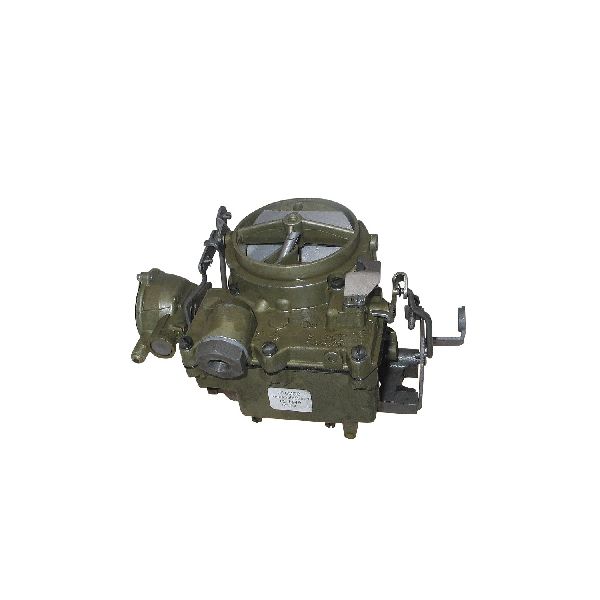
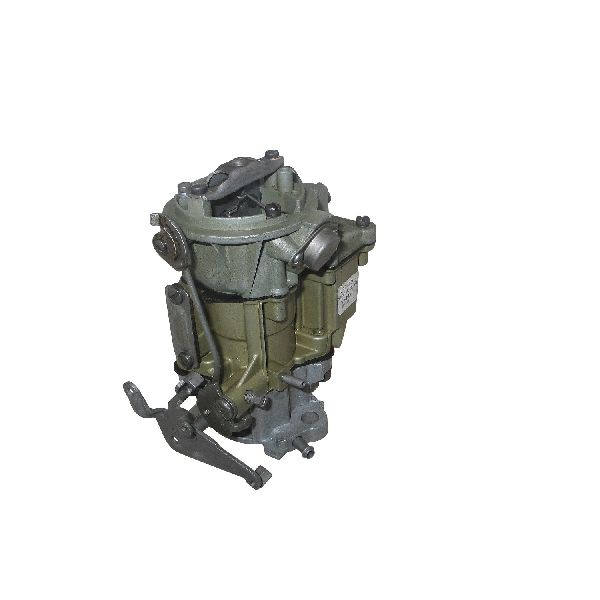
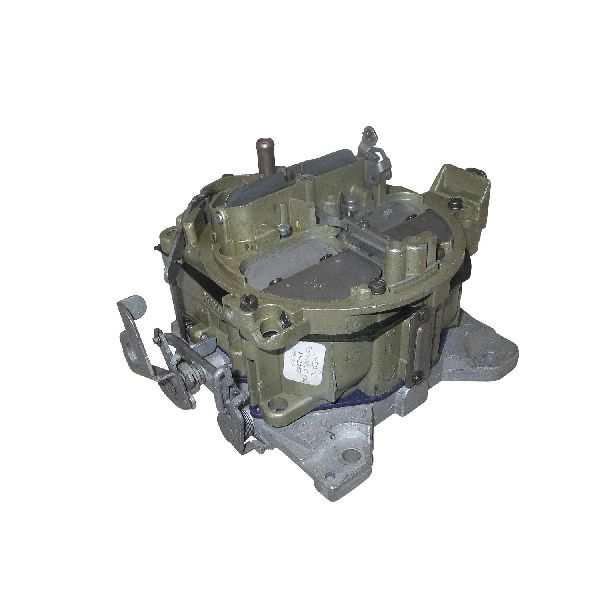
For a classic like the '61-'70 Cutlass, you have a few paths. Rebuilding the original Rochester Quadrajet is a popular option for purists, as it was well-matched to Oldsmobile V8s. However, finding a skilled rebuilder can be tough, and worn-out parts like throttle shafts can complicate things. New Old Stock (NOS) or new OEM carburetors are virtually nonexistent.
This is where new aftermarket carburetors shine. They offer modern materials, brand-new components, and often, simpler designs that are easier to tune and maintain. For many owners, a new aftermarket carburetor provides better reliability and performance than a tired, original unit.
Common Ordering Mistakes
Before you buy, double-check these details. Ordering the wrong part is a common and frustrating mistake.
- CFM Rating: CFM stands for Cubic Feet per Minute, indicating how much air the carb can flow. For a stock or mildly modified Oldsmobile 350 V8, a 600-650 CFM carburetor is usually a good choice. Going too big can hurt performance and drivability.
- Choke Type: Aftermarket carbs come with either an electric choke or a manual (cable-operated) choke. Ensure you choose the one that matches your setup and preference. Electric chokes are generally more convenient for street-driven cars.
- Linkage and Fuel Inlets: Make sure the throttle linkage and transmission kick-down linkage (for automatic transmissions) will connect to the new carburetor. Some may require adapters. Also, check if you need a single or dual fuel inlet.
- Intake Manifold Fitment: Most aftermarket carburetors use a "square bore" flange. Your stock Oldsmobile intake manifold may be a "spread bore" type. An adapter plate may be required for proper fitment, which is a common and straightforward part of the installation.
Choosing an Aftermarket Brand
When shopping for a new carburetor for your Cutlass, you'll mainly encounter two tiers of brands:
- Performance Brands (Edelbrock): Edelbrock is a highly respected name in the aftermarket world. Their Performer series carburetors are extremely popular for classic cars like the Cutlass. Owners find them easy to install and tune for reliable street performance. They are known for holding a tune well and being less prone to issues from engine backfires.
- OEM-Style Replacement Brands (Uremco): Uremco is widely known for remanufacturing carburetors to OEM specifications. While they also offer new units, their primary market is providing parts that function as direct, stock-style replacements. These are a good option if you want to maintain a factory-like setup without rebuilding your original carb. However, some user reviews for remanufactured units across various car models mention occasional out-of-the-box issues like stuck floats or incorrect settings, so quality can be inconsistent.
Cost of a New Aftermarket Carburetor
The price for a new aftermarket carburetor for your 1961-1970 Oldsmobile Cutlass can vary based on the brand and performance level. Below is a general cost estimate.
| Part Type | Estimated Cost |
|---|---|
| New Aftermarket Carburetor | $327 - $520 |
| Remanufactured OEM Carburetor | $300 - $450 |
| Shop Labor for Installation | $150 - $300 |
Frequently Asked Questions (FAQ)
Do I need to replace my intake manifold to install an aftermarket carburetor?
Not usually. Most aftermarket carburetors can be installed on a stock intake manifold using a simple adapter plate to match the bolt pattern (e.g., from spread bore to square bore). This is a very common procedure.
What does CFM mean and which one do I need?
CFM stands for Cubic Feet per Minute and it measures how much air the carburetor can flow into the engine. For a mostly stock Oldsmobile V8 engine from this era, a carburetor rated between 600 and 650 CFM is generally the sweet spot for good street performance and drivability.
What's the difference between a manual and electric choke?
The choke is a plate that limits air intake to create a richer fuel mixture for easier starting when the engine is cold. A manual choke is controlled by a cable you pull inside the car. An electric choke automatically senses the engine temperature and adjusts itself. Electric chokes are more common and convenient on modern aftermarket carburetors.
Can I install a new carburetor myself?
Yes, for a mechanically inclined owner, this is a very feasible DIY job. It involves disconnecting fuel lines, linkages, and removing a few bolts. The process typically takes one to three hours. However, it does require careful handling of gasoline and subsequent tuning (adjusting idle speed and air/fuel mixture screws) for best performance.
Were there any recalls on the carburetor for the 1961-1970 Cutlass?
No. Searches of the National Highway Traffic Safety Administration (NHTSA) database show no recalls or technical service bulletins (TSBs) related to the carburetor for this specific vehicle range. This is normal for a vehicle of this age, as most online records do not cover this period.
Technical Specifications
Commonly a Rochester 2-barrel (2GC) or 4-barrel Quadrajet (4MV, 4MC). Aftermarket replacements are typically 4-barrel with a square bore flange, requiring an adapter for the stock spread bore manifold. CFM ratings around 600-750 are common for V8 models.
We Have This Part in Stock

The information in this article is provided for general reference and educational purposes only. Vehicle specifications, procedures, and part compatibility can vary by production date, trim level, and region. Always consult your vehicle's factory service manual and verify part numbers before purchasing or performing repairs. Safety-critical components such as airbags, seat belts, and braking systems should be installed by a qualified professional.