

A Guide to Replacing the Alternator on a 1961-1972 Mercury Comet
Keep your classic Comet's charging system reliable by choosing the right new aftermarket alternator.
- First, confirm if your 1961-1964 Comet has an original generator or has already been converted to an alternator.
- Choose a standard output alternator for a stock car, or a high-output model if you've added modern electronics.
- Decide between an externally regulated alternator (like original) or a simpler one-wire, internally regulated unit which requires minor wiring changes.
- When upgrading to a higher-amperage alternator, consider upgrading the main charge wire to handle the increased output safely.
Is Your Comet's Alternator Failing?
An alternator doesn't usually fail without warning. For a car from the 1960s or early 1970s, the signs are often easy to spot. If you notice your headlights dimming at idle and getting brighter when you rev the engine, your alternator is likely getting weak. Other common symptoms include a battery that keeps dying even if it's new, a red "ALT" or "GEN" light on your dashboard, or a whining or grinding noise from under the hood. In some cases, you might notice your power windows moving slowly or the radio cutting out.
Generator vs. Alternator: A Critical Distinction
It is very important to know what your Comet has before you buy a part. Most 1961-1964 Comets came from the factory with a generator, not an alternator. Ford and Mercury began switching to alternators around 1965. Generators are larger, heavier, and produce less power, especially at idle. Many owners of early Comets choose to upgrade to an alternator for better reliability and electrical output. This guide focuses on alternators, which were standard on later models and are a common upgrade for earlier ones.
Choosing the Right Aftermarket Alternator
Since new original Ford parts for these cars haven't been made in decades, the market is served by aftermarket companies. This is good news, as it gives you options for both stock replacement and performance upgrades.
Brand Quality Tiers
- Performance/Upgrade Brands (Powermaster, Proform): These brands are popular in the classic car and hot rod communities. They specialize in high-output alternators that look good and provide more power than the original units. A high-output alternator is a great choice if you have added modern electronics like a powerful stereo, electric cooling fans, or fuel injection. These often come in chrome or black finishes.
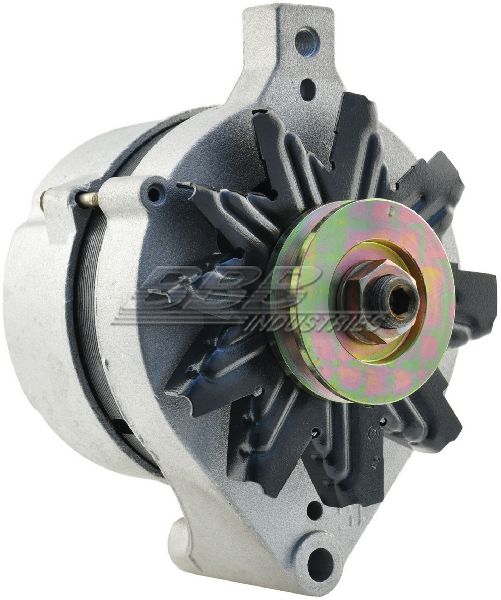
- Standard Replacement Brands (Remy, BBB Industries, MPA): These companies offer reliable alternators for daily driver needs. Remy is a long-standing name in the industry, offering both new and remanufactured parts. BBB Industries and MPA (Motorcar Parts of America) are large suppliers to many auto parts stores, providing both remanufactured and new options that meet or exceed original specifications. While quality is generally good, some forum users have reported occasional issues with remanufactured units from any brand.
Pro Tip: Consider a "One-Wire" Alternator
Original Ford alternators from this era used an external voltage regulator. Many modern aftermarket alternators, especially from brands like Proform and Powermaster, are "one-wire" units with an internal regulator. This simplifies wiring, improves charging response, and cleans up the engine bay. Converting to a one-wire alternator is a popular and straightforward upgrade, but be aware that it requires minor wiring changes.
How Much Does a New Comet Alternator Cost?
The price depends on the brand and output. A standard replacement will be cheaper than a high-output chrome unit.
| Part Type | Estimated Cost | Notes |
|---|---|---|
| New Aftermarket (Standard Output) | $95.90 - $180.00 | Good for stock vehicles. Often remanufactured. |
| New Aftermarket (High-Output/Performance) | $180.00 - $503.92 | Ideal for cars with added electronics. Often includes chrome or other custom finishes. |
| Shop Labor for Installation | $120 - $250 | Based on 1-2 hours of work. A generator-to-alternator conversion may cost more. |
Frequently Asked Questions
Do I need a high-output alternator?
If your Comet is mostly stock, a standard output alternator (around 55-70 amps) is fine. If you have added electric fans, a high-power stereo, electronic fuel injection, or other modern accessories, you should upgrade to a high-output alternator (100 amps or more) to handle the extra electrical load.
What is the difference between an alternator and a generator?
A generator, found on early Comets, is an older technology that is less efficient, especially at low engine speeds. An alternator is more modern, lighter, and provides a more consistent electrical output, even at idle. This makes alternators much better for reliability and for powering modern accessories.
What is a "one-wire" alternator and is it hard to install?
A one-wire alternator has a built-in voltage regulator, simplifying the charging system. Installation involves running a single heavy-gauge wire from the alternator's output post to the positive terminal of the battery or starter solenoid. You can then remove the old external voltage regulator and its wiring. It's a popular and relatively easy upgrade for classic cars.
Will a new alternator fix my dim headlights?
If your headlights dim at idle and brighten with engine speed, a new, properly functioning alternator will likely solve the problem by providing consistent voltage. However, old wiring and connections can also cause dim lights, so it's a good idea to check your grounds and main power wires.
Technical Specifications
OEM Part Numbers: C5AF-10300-B
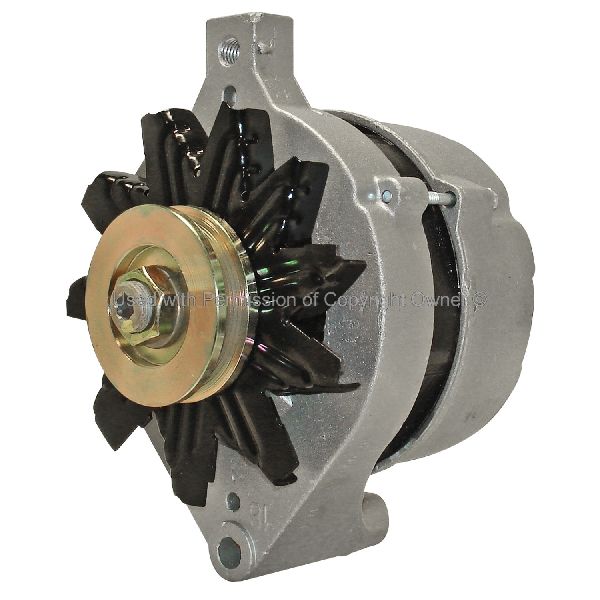
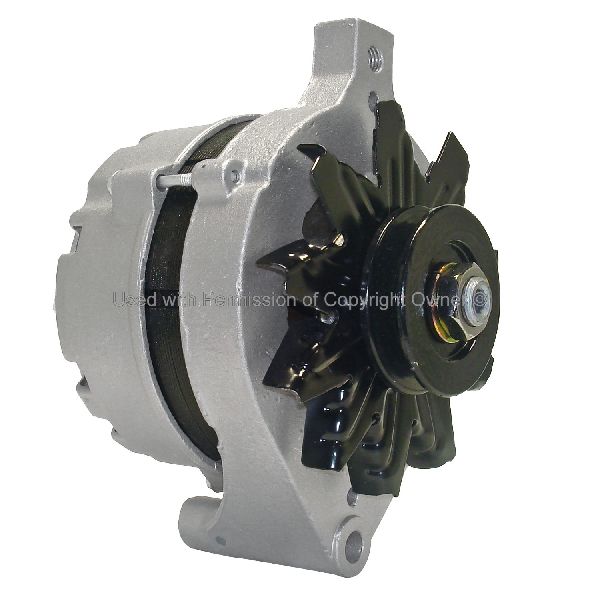
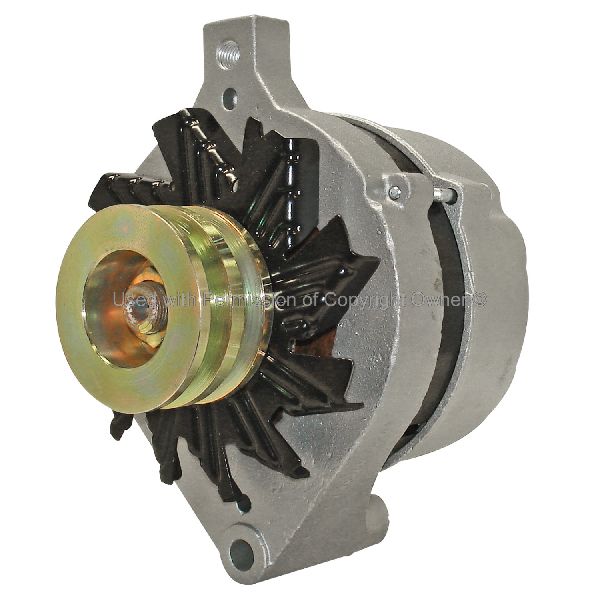
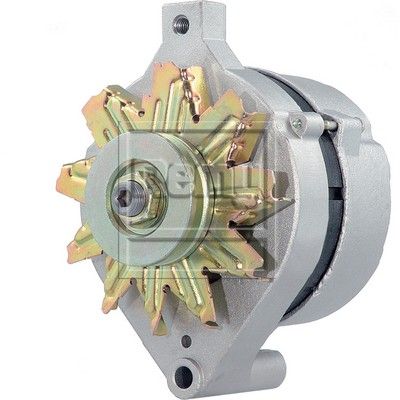
Amperage: 55A to 150A+. Voltage: 12V. Regulator: External or Internal ('one-wire'). Pulley: Single V-Groove.
We Have This Part in Stock

The information in this article is provided for general reference and educational purposes only. Vehicle specifications, procedures, and part compatibility can vary by production date, trim level, and region. Always consult your vehicle's factory service manual and verify part numbers before purchasing or performing repairs. Safety-critical components such as airbags, seat belts, and braking systems should be installed by a qualified professional.