

Dodge Lancer Engine Coolant Bypass Hose: A Replacement Guide for 1961-1989 Models
Understanding the crucial differences in this part for early and late model Dodge Lancers.
- You must verify if you have a 1961-62 or 1985-89 Lancer; the bypass hoses are not interchangeable.
- A leaking bypass hose is a critical issue; do not drive the vehicle if it is overheating to avoid engine damage.
- For a vehicle this old, a new aftermarket hose from a quality brand like Gates or Continental is the best and most reliable option.
- When one coolant hose fails from age, it's best practice to replace all of them (radiator, heater, bypass) at the same time.
A Tale of Two Lancers: 1961-1962 vs. 1985-1989
Before buying an engine coolant bypass hose, you must know which Dodge Lancer you own. The name was used for two completely different cars. The 1961-1962 Lancer is a compact car, usually with a Slant-6 engine. 🎬 Learn more about the history of the 1961-1962 Dodge Lancer. The 1985-1989 Lancer is a mid-size hatchback with a 2.2L or 2.5L four-cylinder engine. The bypass hoses for these two generations are not interchangeable. Ordering the wrong part is a common mistake.
Symptoms of a Failing Bypass Hose
On an older vehicle, rubber hoses are a common failure point. Heat, age, and exposure to chemicals cause them to become brittle, swollen, or cracked. Look for these signs:
- Coolant Leaks: You might see puddles of green or pink fluid under the car or notice a crusty residue on the hose itself.
- Sweet Smell: Antifreeze has a distinct sweet smell. If you notice this in your engine bay, you likely have a leak.
- Engine Overheating: A burst or collapsed hose can cause a rapid loss of coolant, leading to engine overheating. This can cause severe engine damage if not addressed immediately.
- Spongy or Hard Hose: Squeeze the hose when the engine is cool. If it feels mushy, spongy, or rock-hard, it's failing internally and should be replaced.
Overheating Risk
A failed bypass hose can quickly lead to catastrophic engine damage from overheating. If you see steam or your temperature gauge spikes, pull over immediately and shut off the engine.
Choosing the Right Aftermarket Hose: OEM vs. Aftermarket
For vehicles as old as the Dodge Lancer, new OEM (Original Equipment Manufacturer) parts are typically not available. Even if you found a "New Old Stock" (NOS) OEM hose, the rubber would likely be degraded from decades of storage. A new, high-quality aftermarket hose is the best and most practical choice.
Brands like Continental and Gates are top-tier aftermarket manufacturers who often supply parts to car companies directly. Their hoses are made with modern materials like EPDM rubber, which is engineered to resist heat, ozone, and chemical degradation better than the original materials. For this part, a molded hose from a reputable aftermarket brand 🎬 See why Gates molded hoses are a smart aftermarket choice. is a reliable and durable repair.
Pro Tip: Replace Hoses in Sets
If your bypass hose has failed due to age, your other coolant hoses (radiator, heater) are likely near the end of their life too. It is highly recommended to replace all coolant hoses and clamps at the same time to prevent future breakdowns.
Estimated Costs for Replacement
| Part/Service | Estimated Cost |
|---|---|
| New Aftermarket Bypass Hose | $80.54 - $93.36 |
| Shop Labor | $100 - $200 |
| Total Estimated Cost | $180.54 - $293.36 |
Cost estimates are for the part and typical labor charges and do not include taxes, fees, or the cost of new coolant.
Frequently Asked Questions (FAQ)
Is the bypass hose the same for the 1961 and 1988 Lancer?
No. They are completely different parts for different engines. The 1961-62 Lancer uses a hose for the Slant-6 engine, while the 1985-89 Lancer uses a different hose for its 2.2L/2.5L 4-cylinder engine. You must order the part specific to your vehicle's year and engine.
Are there any recalls for the Dodge Lancer coolant bypass hose?
No. Searches of the National Highway Traffic Safety Administration (NHTSA) database show no recalls or technical service bulletins (TSBs) related to the engine coolant bypass hose for either generation of the Dodge Lancer.
Can I use a generic, straight piece of hose?
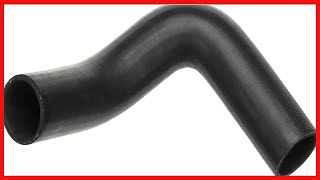
No. The engine coolant bypass hose is a pre-molded hose, meaning it is specifically shaped to fit the engine and route around other components without kinking. Using a straight hose will likely cause it to kink, restricting coolant flow and leading to overheating.
How often should I replace my coolant hoses?
There is no strict interval, but as a general rule for older vehicles, it's wise to inspect hoses at every oil change and consider replacing them all every 5-7 years or as a preventative measure, especially if one has already failed.
Helpful Videos

Technical Specifications
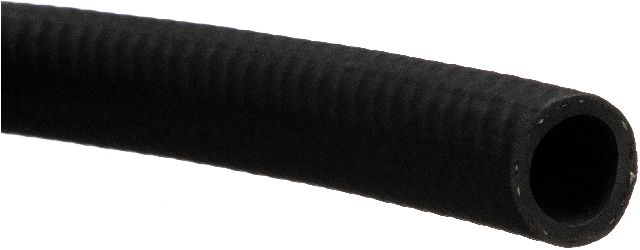
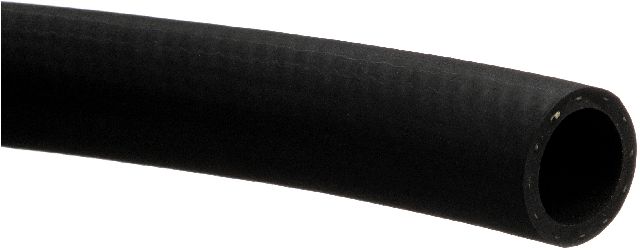
The part is a pre-molded hose made of EPDM rubber, designed to resist heat and chemical degradation. The specific shape and diameter vary significantly between the 1961-62 Slant-6 engine and the 1985-89 2.2L/2.5L engines.
We Have This Part in Stock


The information in this article is provided for general reference and educational purposes only. Vehicle specifications, procedures, and part compatibility can vary by production date, trim level, and region. Always consult your vehicle's factory service manual and verify part numbers before purchasing or performing repairs. Safety-critical components such as airbags, seat belts, and braking systems should be installed by a qualified professional.