

Choosing the Right Distributor Cap for Your 1962-1968 Chevrolet Chevy II
Keep your classic Chevy II running smoothly by understanding how to spot a bad distributor cap and choose the right replacement.
- A bad distributor cap causes misfires, hard starting, and stalling.
- Replacement is a simple, low-cost DIY job perfect for beginners.
- Always replace the distributor rotor at the same time as the cap.
- For stock engines, choose a quality brand like ACDelco or Standard Ignition; look for brass terminals for better longevity.
Signs of a Failing Distributor Cap
A distributor cap is a wear item. Over time, it is exposed to extreme heat and high voltage, which can cause problems. Look for these common symptoms if you suspect your Chevy II's distributor cap is going bad:
- Engine Misfires or Rough Idle: This is the most common sign. You might feel the engine stumbling, shaking, or running poorly. This can be caused by tiny cracks, moisture, or corrosion on the cap's terminals preventing a strong spark.
- Hard Starting: If the cap can't deliver a clean, strong spark, your engine will be difficult to start, especially in cold or damp weather.
- Stalling or Backfiring: An unpredictable spark can cause the engine to stall unexpectedly or even backfire through the exhaust.
- Visible Damage: The best way to check the cap is to look at it. Remove the two clips or screws holding it down and inspect it inside and out. Look for cracks, white or green corrosion on the metal terminals, or black lines that look like pencil marks, which indicate carbon tracking (a short circuit).
Check the Rotor, Too
The distributor rotor spins beneath the cap and should always be replaced at the same time as the cap. It's an inexpensive part and is sold with most new caps. A worn rotor can cause the same problems as a bad cap.
Choosing the Right Aftermarket Distributor Cap
For a vehicle from the 1960s, new original "OEM" parts from Chevrolet are not available. The market is served by aftermarket brands that make parts to fit your Chevy II. Quality is important, as a cheap, poorly made cap can fail quickly. Here’s a breakdown of the available brands:
Brand Quality Tiers
- OEM-Style / Standard Replacement (ACDelco, Standard Ignition): ACDelco is the original GM parts brand, and for many classic car owners, it's the go-to for a stock replacement that fits and functions correctly. Standard Ignition (also known as SMP) is a highly respected aftermarket brand that offers quality parts that meet or exceed original specifications. For a daily driver or a stock restoration, a cap from either of these brands is an excellent choice.
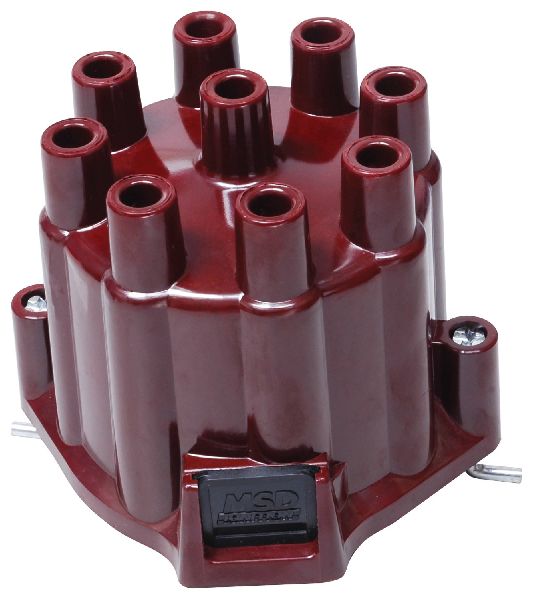
- Performance (MSD): MSD (Ignition) is a brand focused on high-performance applications. Their caps are often brightly colored and designed to handle higher voltage from performance ignition systems. An MSD cap is a good option if you have a modified engine with an upgraded MSD ignition box, but it's overkill and may not be compatible with a stock setup.
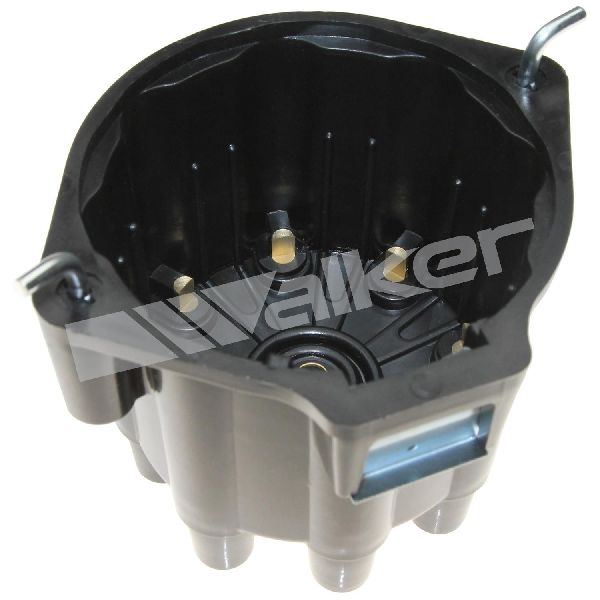
- Economy (Walker Products, other store brands): Walker is a known aftermarket supplier, but specific reviews for this application are limited. Generally, economy-tier parts focus on a lower price point. While they will work, they may not have the same durability or use the same quality materials (like brass terminals) as higher-tier brands. For a car you rely on, it's often worth spending a few extra dollars for a name-brand part.
Brass vs. Aluminum Terminals
When shopping, you'll see caps with aluminum or brass terminals. Caps with brass terminals are generally considered a premium feature. Brass is a better conductor and is more resistant to corrosion than aluminum, which can lead to a longer life and more consistent performance.
Distributor Cap Replacement Cost
The cost for a new aftermarket distributor cap for a 1962-1968 Chevy II is very reasonable. The part itself is inexpensive, and labor is minimal due to the easy access on these classic engines.
| Item | Estimated Cost |
|---|---|
| Aftermarket Distributor Cap & Rotor Kit | $23 - $83 |
| Shop Labor | $40 - $70 |
| Total Estimated Cost (Installed) | $63 - $153 |
Cost estimates are based on a range of available parts and typical labor rates. This is a very simple DIY job that can save you the labor cost.
Frequently Asked Questions (FAQ)
Do I need a special distributor cap for my 6-cylinder vs. V8 Chevy II?
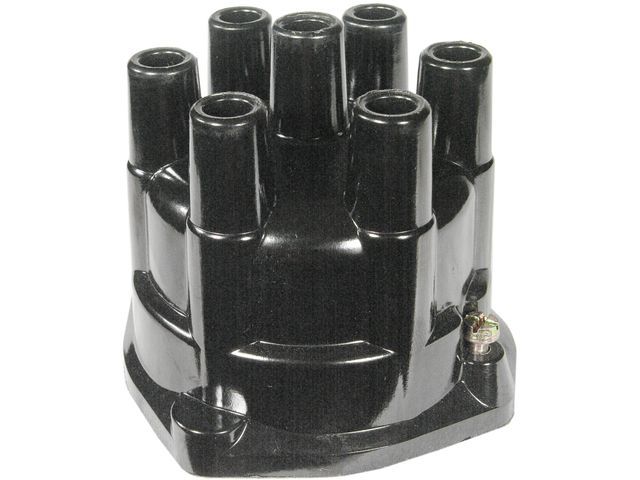
Yes. The 4-cylinder, 6-cylinder, and V8 engines all use different distributor caps. The cap must match the number of cylinders your engine has. Always verify the engine in your car before ordering parts.
Are there any recalls for the 1962-1968 Chevy II distributor cap?
No. A search of the National Highway Traffic Safety Administration (NHTSA) database shows no recalls or technical service bulletins (TSBs) for the distributor cap on this vehicle, which is expected for a car of this age.
How often should I replace my distributor cap?
Distributor caps are considered a maintenance item. For a classic car, it's good practice to inspect the cap and rotor annually. Plan on replacing them as part of a regular tune-up every 20,000 to 30,000 miles, or immediately if you see any signs of damage or are experiencing ignition problems.
Is it hard to replace a distributor cap myself?
No, this is one of the easiest jobs you can do on a classic Chevy II. It typically requires only a screwdriver. The most important step is to transfer the spark plug wires from the old cap to the new cap one at a time to ensure the firing order stays correct. Labeling the wires with tape before you begin is a great way to prevent mistakes.
Technical Specifications
Varies by engine (4-cyl, 6-cyl, V8). Must match the original part's terminal style (points-style ignition) and number of spark plug wire towers.
We Have This Part in Stock


The information in this article is provided for general reference and educational purposes only. Vehicle specifications, procedures, and part compatibility can vary by production date, trim level, and region. Always consult your vehicle's factory service manual and verify part numbers before purchasing or performing repairs. Safety-critical components such as airbags, seat belts, and braking systems should be installed by a qualified professional.