

Choosing the Right Spark Plugs for Your 1962-1968 Chevrolet Chevy II
Get the correct spark plugs for your classic Chevy II to ensure it runs smoothly and reliably.
- For most stock 1962-1968 Chevy II engines, standard copper spark plugs from brands like ACDelco, Autolite, or NGK are the best choice.
- The correct spark plug gap is critical; use 0.035 inches for a stock points ignition.
- Symptoms of failure include rough idle, hesitation, hard starting, and poor gas mileage.
- Replacing spark plugs is a simple, inexpensive DIY task that can significantly improve engine performance.
Signs of Failing Spark Plugs in a Classic Chevy II
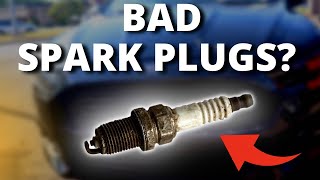
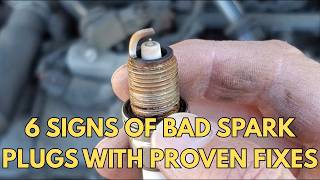
Unlike modern cars, your 1962-1968 Chevy II won't flash a "Check Engine" light to tell you something is wrong. You have to listen to and feel how your car is running. Worn or fouled spark plugs can cause several noticeable problems. You might find the engine is hard to start, especially when cold. A rough idle, where the engine shakes or sounds uneven, is another common symptom. While driving, you may feel the car hesitate or stumble during acceleration, and it might feel like it has lost power. This is often due to an engine misfire, which is when a cylinder fails to fire correctly. 🎬 Watch: See these common symptoms of bad spark plugs in action. You may also notice a drop in gas mileage because unburnt fuel is being wasted.
Reading Your Old Plugs
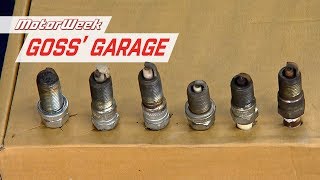
When you remove your old spark plugs, look at their tips. A light tan or grayish color means the engine is running well. If they are covered in black, sooty carbon, your fuel mixture may be too rich. If they are wet with oil, it could point to more serious engine wear.
🎬 Watch: A pro mechanic shows you how to read your plugs.Choosing the Right Aftermarket Spark Plugs
For a classic car like the Chevy II, the line between "OEM" and "aftermarket" is blurry. ACDelco was the original equipment supplier for General Motors, and they are still a great choice for a stock or mildly modified engine. However, other brands offer excellent quality, and some owners have strong preferences based on their experience.
Brand Tiers for Your Chevy II
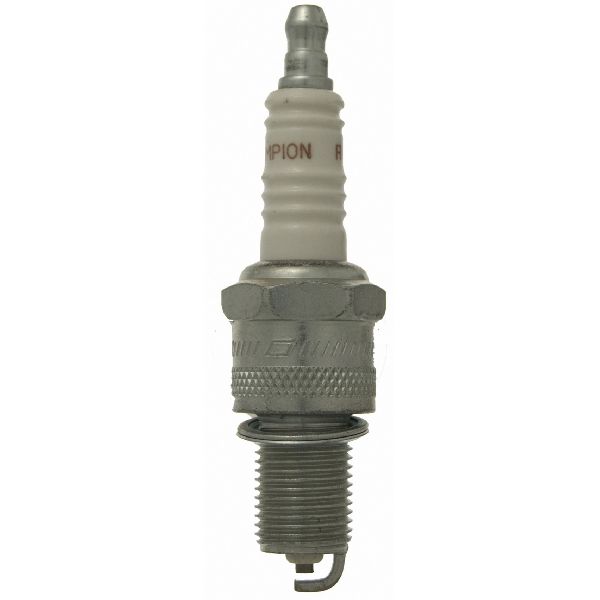
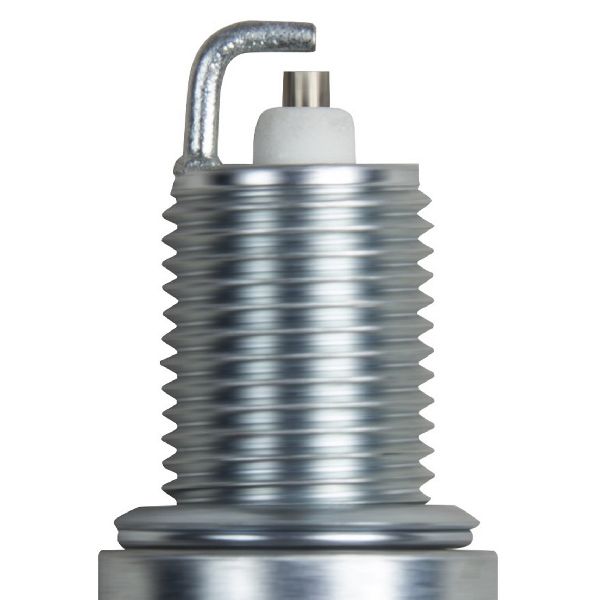
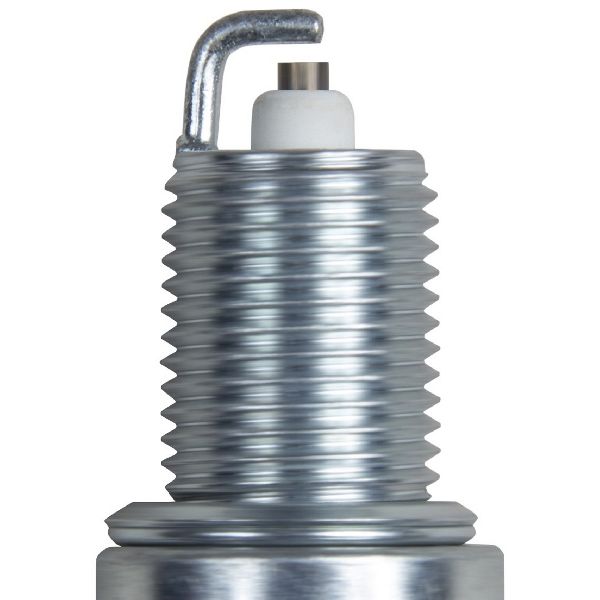
- Standard Replacement (Good): Brands like Autolite and Champion offer reliable, standard copper plugs that are very similar to what the car used from the factory. They are affordable and work perfectly well for daily driving and stock engines. Many owners have used these brands for years with good results.
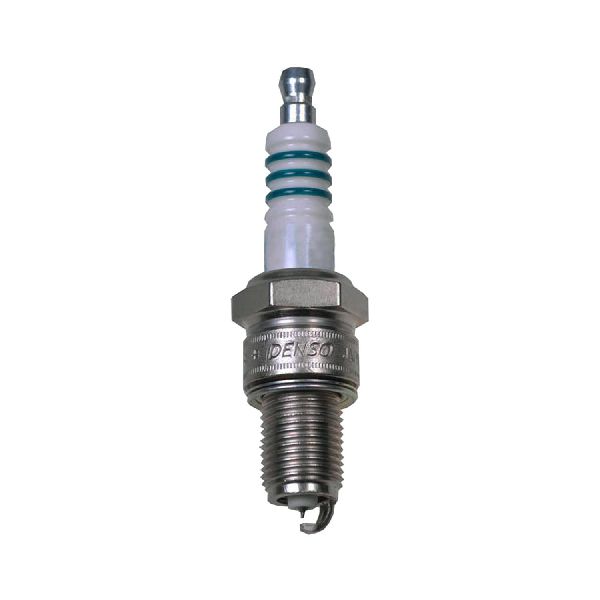
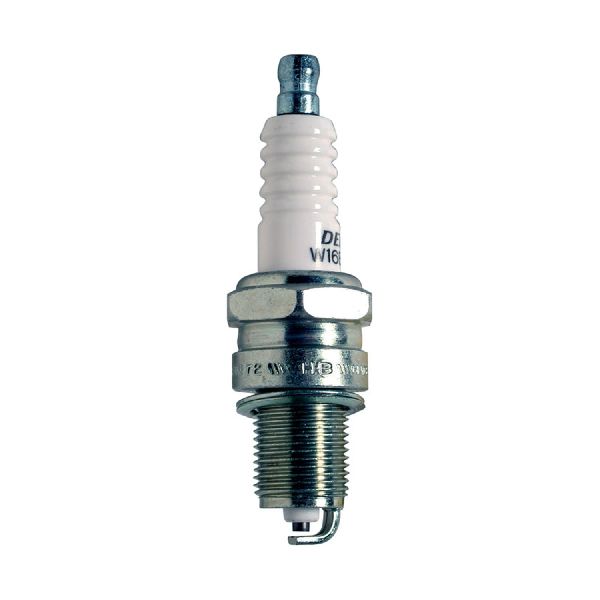
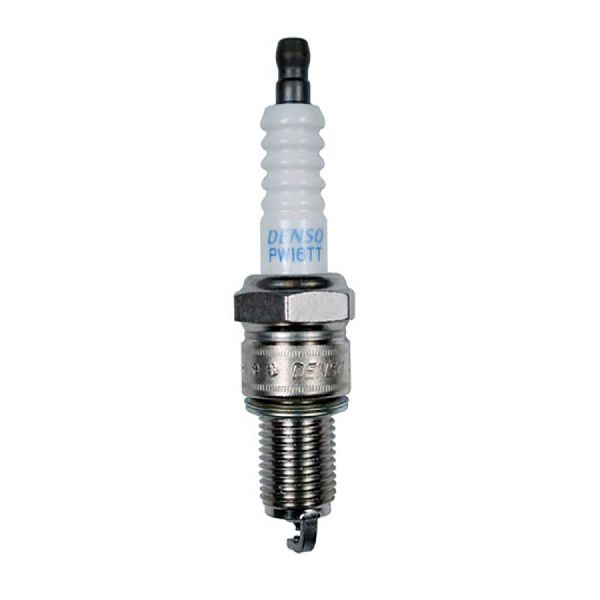
- Premium Replacement (Better): ACDelco and NGK are often considered a step up. ACDelco provides parts that stick to the original design principles. NGK V-Power plugs, for example, have a V-groove in the electrode that can improve spark and performance. Denso also falls into this category, offering high-quality plugs that are a dependable choice.
- Performance (Best for Modified Engines): If your Chevy II has been modified with a high-performance carburetor, intake, or an upgraded ignition system like an HEI distributor, you might consider plugs from Accel. These are often designed for more demanding performance applications. For highly modified engines, some owners even use modern iridium plugs from NGK or Denso, but for most stock engines, this is unnecessary.
Copper is Still King
For the stock ignition systems in these cars, traditional copper spark plugs are often the best choice. They are inexpensive, conduct electricity very well, and are what the original ignition system was designed for. While platinum and iridium plugs last longer in modern cars, they don't offer a significant advantage in a classic Chevy II and may not perform as well with the lower-voltage ignition systems.
| Tier | Typical Brands | Price Range (per plug) |
|---|---|---|
| Standard Copper | Autolite, Champion | $3.50 - $5.00 |
| Premium Copper/Nickel | ACDelco, NGK, Denso | $4.00 - $9.00 |
| Performance/Iridium | Accel, NGK Iridium | $9.00 - $25.00+ |
Frequently Asked Questions
What spark plug gap do I need for my Chevy II?
For most stock engines (4-cylinder, inline-six, or V8) with a points-style distributor, the recommended spark plug gap is typically 0.035 inches. However, if you have upgraded to a High Energy Ignition (HEI) system, you may need a wider gap, often around 0.045 inches. Always check the specifications for your particular ignition system. Using a feeler gauge to set the gap is a critical step.
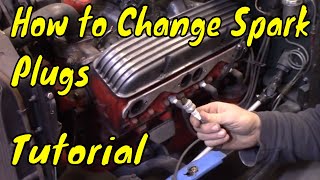
🎬 See this basic tutorial on how to change your spark plugs.How often should I change the spark plugs?
With a stock ignition and standard copper plugs, it's good practice to check them every year and plan on replacing them every 10,000 to 15,000 miles. Because they are inexpensive, frequent changes are a great way to keep your engine tuned up and spot any potential issues early.
Do I need resistor or non-resistor spark plugs?
Most spark plugs available today are resistor plugs (often marked with an "R" in the part number, like ACDelco R45S). These are designed to suppress radio frequency interference that could cause static in your AM radio. For a stock car with a radio, resistor plugs are the correct choice. If you have a magneto ignition for racing, you would use non-resistor plugs.
What is a spark plug's "heat range"?
The heat range determines how hot the spark plug tip gets during engine operation. A "hotter" plug (like an AC R46S) has a longer insulator tip and retains more heat, which helps burn off carbon deposits at low speeds. A "colder" plug (like an AC R45S) transfers heat away more quickly and is better for high-performance or heavy-load conditions to prevent overheating. For a stock engine, the standard recommended heat range (like the AC R45) is almost always the best choice.
Helpful Videos

Technical Specifications
OEM Part Numbers: ACDelco R45 ACDelco R45S ACDelco 45 Champion J8C
Engine Type: 153 I4, 194 I6, 230 I6, 250 I6, 283 V8, 327 V8 Spark Plug Gap (Stock Ignition): 0.035 inches Common Plug Types: ACDelco R45S, Champion J12YC, NGK B6S
We Have This Part in Stock

The information in this article is provided for general reference and educational purposes only. Vehicle specifications, procedures, and part compatibility can vary by production date, trim level, and region. Always consult your vehicle's factory service manual and verify part numbers before purchasing or performing repairs. Safety-critical components such as airbags, seat belts, and braking systems should be installed by a qualified professional.