

A Guide to Spark Plug Wire Sets for the 1962-1968 Chevrolet Chevy II
Choosing the right spark plug wires is key to keeping your classic Chevy II running strong and reliably.
- Determine if you need OE-style 7mm wires for a stock engine or performance 8mm+ wires for an upgraded HEI ignition or engine with headers.
- Always replace spark plug wires one at a time to avoid mixing up the engine's firing order.
- For V8 engines, proper routing away from hot exhaust manifolds is critical to prevent melting the wires and boots.
- Using a small amount of dielectric grease inside the boots will make future removal easier and protect against moisture.
Why Old Wires Fail on a Classic Chevy II
The original spark plug wires on a 1962-1968 Chevy II were not designed to last forever. After decades of exposure to engine heat, vibration, and ozone, the insulation on the wires becomes brittle and cracks. This allows the high voltage to leak out or arc to a metal part of the engine instead of reaching the spark plug. This is a common cause of misfires and poor performance in classic cars. Modern aftermarket wires use superior materials like silicone that resist heat and last much longer than the originals.
Symptoms of Failing Spark Plug Wires
Your classic Chevy II won't show a 'Check Engine' light, so you need to pay attention to how it drives. Common signs of bad wires include:
- Rough Idle: The engine may shake or sound uneven when the car is stopped.
- Engine Misfires: You might feel a stutter or hesitation from the engine, especially when accelerating.
- Hard Starting: The engine may crank for a long time before it starts, or it may not start at all.
- Poor Acceleration: The car may feel sluggish and lack power when you press the gas pedal.
- Visible Damage: A visual inspection may reveal cracks, burns, or corrosion on the wires and their boots.
Pro Tip: Check Your Ignition System
Before buying wires, know if your Chevy II has its original points-style ignition or has been upgraded to a High Energy Ignition (HEI) system. HEI systems produce much higher voltage and require wires with thicker 8mm silicone insulation to prevent spark loss. Using standard 7mm wires on an HEI system can lead to misfires and poor performance.
Choosing the Right Aftermarket Wires
The best wire set depends on your engine and how you use your car. There are two main categories:
1. OE-Style & Daily Driver Wires
If you have a stock 4-cylinder, 6-cylinder, or V8 engine and want to maintain a factory appearance, these wires are a great choice. They are reliable and meet or exceed original specifications.
- ACDelco: Often considered the original equipment supplier for GM, ACDelco wires provide a factory fit and reliable performance. They offer different lines, with the "Original Equipment" series being higher quality than the "Professional" series.
- NGK & Denso: These are top-tier brands known for excellent quality and durability. Their wire sets are a dependable choice for a daily driven classic.
- Standard Motor Products (SMP): A long-standing aftermarket brand that offers quality, OE-style replacement wires that are a good value.
2. Performance & High-Heat Wires
If your Chevy II has a modified V8, an HEI ignition, or aftermarket exhaust headers, you need wires that can handle more heat and voltage. These wires typically have thicker 8mm to 10.5mm silicone jackets and a spiral-wound core that reduces electrical resistance while suppressing radio noise (RFI).
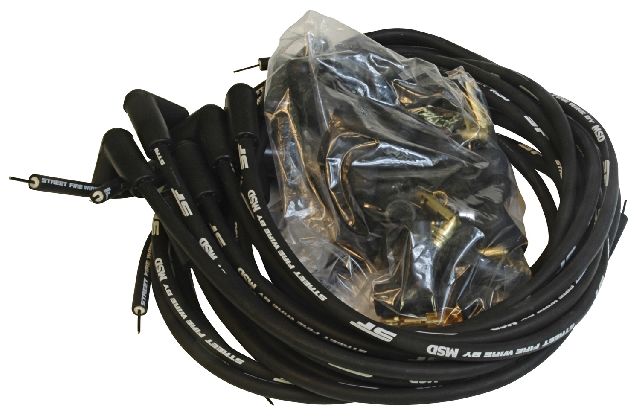
- MSD: A leader in the performance ignition market, MSD offers high-quality, low-resistance 8.5mm wires that are a popular upgrade for modified engines.
- Taylor Cable: Known for their durable, high-performance wires, Taylor offers sets with excellent heat resistance and various color options.
- Accel: Another popular performance brand, Accel provides wires designed for high-output ignitions and offers options with ceramic boots for extreme heat protection near headers.
- Pertronix: Specializing in classic car ignitions, Pertronix's Flame-Thrower wires are designed to work perfectly with their popular electronic ignition conversion kits.
A Note on Universal vs. Custom-Fit Sets
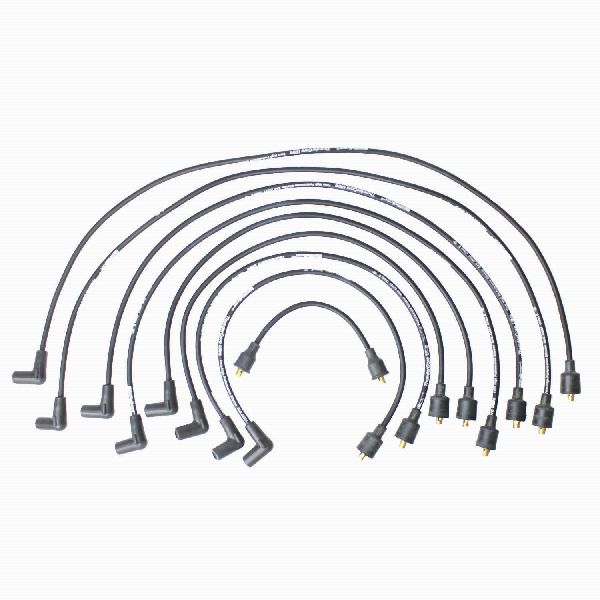
Many performance wire sets are "universal," meaning you must cut the wires to the correct length and attach the distributor cap terminals yourself. This requires a special crimping tool. Custom-fit sets come pre-assembled and are ready to install right out of the box, which is much easier for a DIY replacement.
Spark Plug Wire Set Cost for 1962-1968 Chevrolet Chevy II
| Part Type | Price Range | Notes |
|---|---|---|
| New Aftermarket (OE-Style) | $24 - $70 | Brands like Standard, ACDelco Professional, and NGK. Good for stock engines. |
| New Aftermarket (Performance) | $70 - $254 | Brands like MSD, Taylor, and Accel. Features thicker silicone, lower resistance, and better heat protection for modified engines. |
| New OEM | Not Available | Original GM parts for this vehicle are no longer in production. ACDelco is the closest modern equivalent. |
| Used OEM | Not Recommended | Spark plug wires are a wear item. Used wires are unreliable due to age and heat degradation. |
Frequently Asked Questions (FAQ)
What's the difference between 7mm and 8mm+ spark plug wires?
The measurement is the wire's outer diameter. A larger diameter, like 8mm, 8.5mm, or 10.5mm, means more insulation. This provides better heat resistance and prevents the higher voltage from an HEI ignition from arcing to ground. Original points ignitions used 7mm wires, but modern performance wires are thicker.
Do I need special tools to replace my spark plug wires?
For a pre-assembled, custom-fit set, you typically don't need special tools. A spark plug wire puller can be helpful to remove stubborn boots without damaging them. If you buy a universal "cut-to-fit" set, you will need a wire stripping and crimping tool designed for spark plug wires.
What is dielectric grease and should I use it?
Dielectric grease is a non-conductive, silicone grease applied to the inside of the spark plug boots. It helps seal out moisture, prevents corrosion, and makes it easier to remove the wires in the future. It's a highly recommended step for any spark plug wire installation.
How do I avoid mixing up the firing order?
The easiest way is to replace one wire at a time. Remove the old wire, match its length to a new wire from the set, route the new wire the same way, and connect it securely before moving to the next one. Mixing up the firing order will cause the engine to run very poorly or not at all.
Are there any recalls for Chevy II spark plug wires?
No. There are no recalls or Technical Service Bulletins (TSBs) from the NHTSA related to spark plug wires for the 1962-1968 Chevrolet Chevy II. Recalls for issues involving wire routing and oil leaks have been issued for much newer GM vehicles but do not apply to this classic model.
Technical Specifications
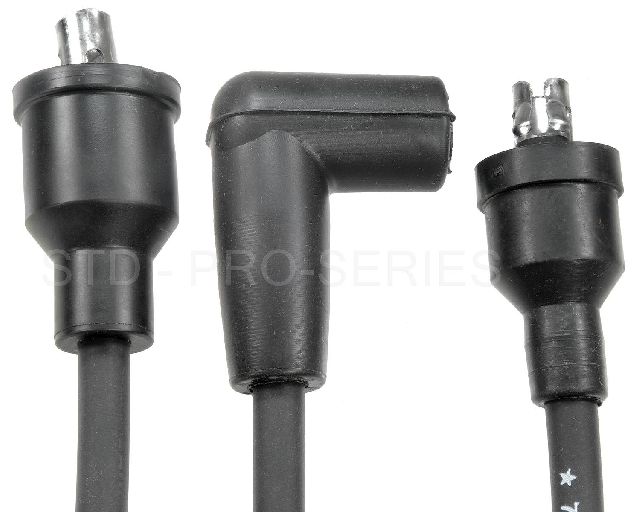
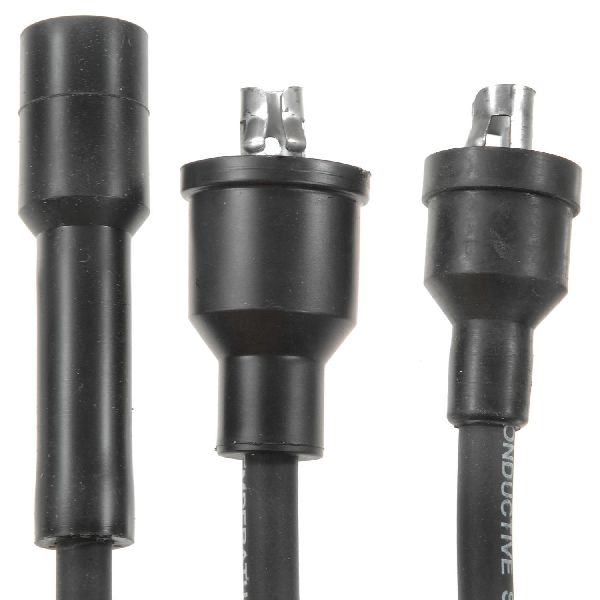
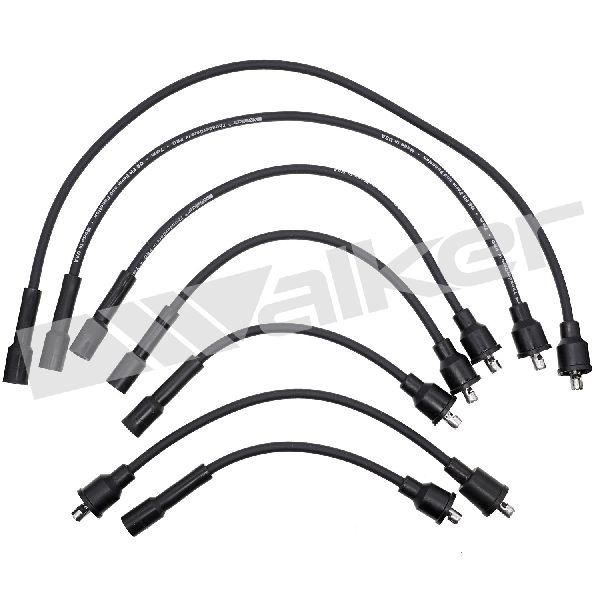
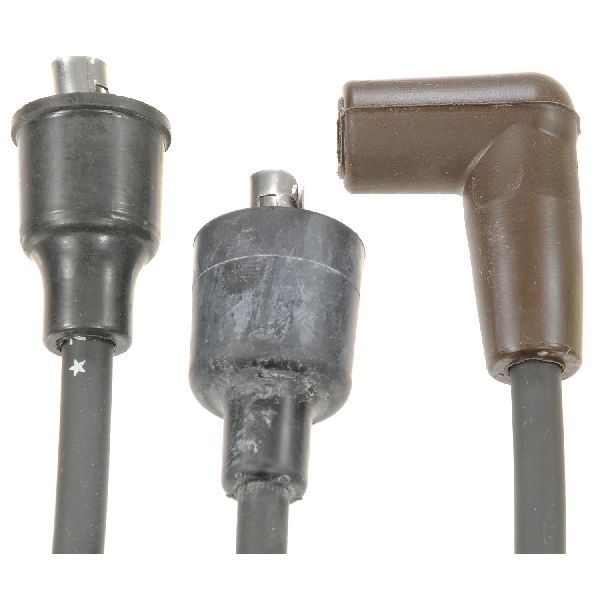
Vehicle and engine configuration (4-cyl, 6-cyl, V8) will determine the correct wire set. Key specifications to consider are wire diameter (e.g., 7mm, 8mm, 8.5mm), core type (carbon suppression, spiral core), boot angle (straight, 90-degree), and whether the set is custom-fit or universal cut-to-length.
We Have This Part in Stock

The information in this article is provided for general reference and educational purposes only. Vehicle specifications, procedures, and part compatibility can vary by production date, trim level, and region. Always consult your vehicle's factory service manual and verify part numbers before purchasing or performing repairs. Safety-critical components such as airbags, seat belts, and braking systems should be installed by a qualified professional.
- 🛍️ Shop This Part
- Why Old Wires Fail on a Classic Chevy II
- Symptoms of Failing Spark Plug Wires
- Pro Tip: Check Your Ignition System
- Choosing the Right Aftermarket Wires
- 1. OE-Style & Daily Driver Wires
- 2. Performance & High-Heat Wires
- A Note on Universal vs. Custom-Fit Sets
- Spark Plug Wire Set Cost for 1962-1968 Chevrolet Chevy II
- Frequently Asked Questions (FAQ)
- 🎟️ Get 5% Off