

A Comprehensive Guide to the 1962-1968 Chevrolet Chevy II Speedometer Cable
If your classic Chevy II's speedometer needle is bouncing or stuck at zero, it's likely time for a new cable.
- A bouncing needle, no speed reading, or a squealing noise are the classic signs of a failing speedometer cable.
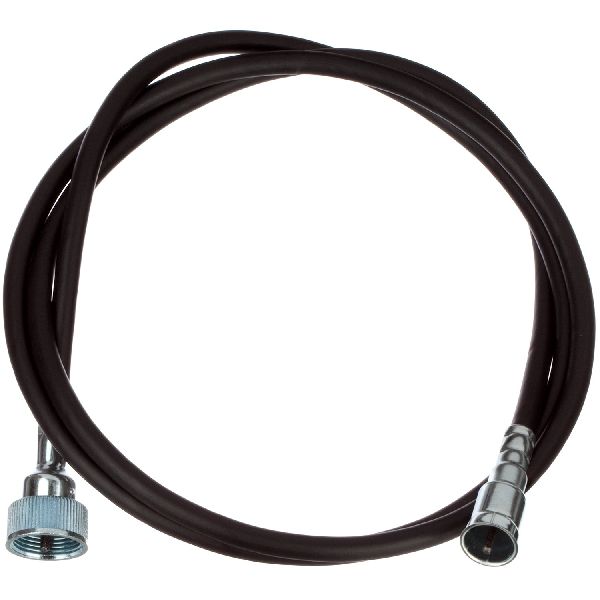
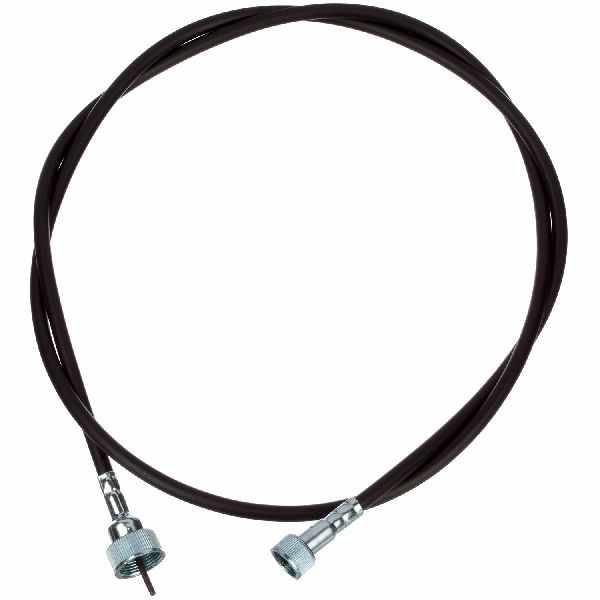
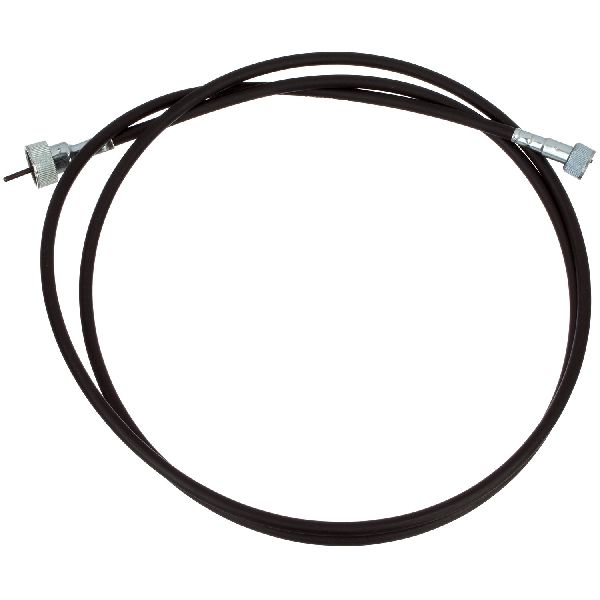
- For this classic car, aftermarket cables are the standard. Premium brands like Lokar offer cut-to-fit options, while Pioneer and ATP provide affordable direct-fit replacements.
- Proper routing is critical. Avoid sharp bends and kinks during installation to ensure the new cable lasts and provides a steady reading.
- Replacing the cable is a straightforward DIY job that requires basic hand tools and access under the car and dashboard.
Is Your Speedometer Cable Failing?
For a classic car like the 1962-1968 Chevy II, a faulty speedometer cable is a common issue that develops over many decades of use. The original lubricant inside the cable housing dries up, causing the inner cable to bind, stretch, or eventually break. Look for these classic signs of a bad or failing cable:
- Bouncing Speedometer Needle: This is the most common symptom. As you drive at a steady speed, the needle will jump or waver erratically. 🎬 Watch: How to fix a bouncing speedometer needle on a classic Chevy. This is caused by the inner cable binding and releasing as it struggles to rotate smoothly.
- No Speed Reading: If the needle stays at zero, the inner cable has likely snapped or become disconnected from either the transmission or the speedometer head itself.
- Squealing or Whining Noises: A dry, unlubricated, or kinked cable can make audible noises from behind the dashboard as it spins. This is a clear sign the cable needs attention before it breaks.
A Note on Other Possible Issues
While the cable is the most frequent culprit, a bouncing or inoperative speedometer can sometimes be caused by a worn plastic driven gear inside the transmission. It's worth inspecting this small, inexpensive gear when you replace the cable. In rarer cases, the speedometer head unit itself may require a professional rebuild, which is a more involved and costly repair.
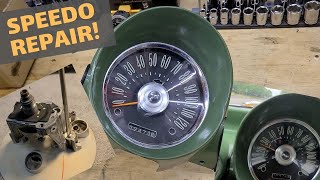
🎬 See this walkthrough for repairing the speedometer head and odometer.Choosing the Right Aftermarket Cable
For a vehicle of this era, finding a "New Old Stock" (NOS) OEM part is nearly impossible and very expensive. The good news is that the aftermarket offers excellent options that often exceed the quality of the original 1960s part. Your choice will depend on your budget and the type of restoration or build you're doing.
Brand Tiers for Your Chevy II
Premium / Custom (Lokar, B&M):
- Lokar: Known for high-end hot rod and restoration parts, Lokar offers premium "cut-to-fit" speedometer cables. These often feature a braided stainless steel housing for superior looks and durability. You will need to trim the 7-foot cable and housing to the perfect length for your specific car, which is ideal for custom applications with non-original engines or transmissions.
- B&M: A well-respected name in performance transmission parts, B&M also offers speedometer cables. These are typically geared toward performance applications and are built to a high standard, though you should verify the specific fitment for a classic Chevy II.
Standard Replacement (ATP, Pioneer Cable):
- Pioneer & ATP: These brands are the go-to for affordable, direct-fit replacement parts. They manufacture cables designed to match the original length and fittings for your Chevy II, making installation straightforward. While generally reliable for a stock vehicle, some owner experiences suggest that quality can be inconsistent, with some cables having too much play or cheaper end fittings compared to originals. However, for the price, they are a very common and effective solution.
Installation Pro-Tip
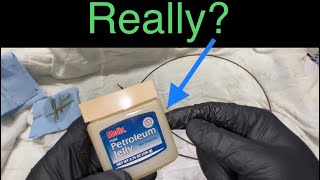
The single most important part of installation is proper routing. Ensure the cable makes wide, gentle curves from the transmission to the firewall and up to the speedometer. Avoid sharp bends or kinks, as this is the primary cause of premature cable failure and a bouncing needle, even with a brand-new part. Also, be sure to lubricate the new inner cable before installation.
🎬 Watch: A quick guide on how to properly lubricate your cable.Cost of Replacing a 1962-1968 Chevy II Speedometer Cable
| Part Type | Estimated Cost |
|---|---|
| New Aftermarket (Standard) | $15 - $45 |
| New Aftermarket (Premium/Custom) | $70 - $155 |
| Shop Labor | $100 - $175 |
Frequently Asked Questions
Are there any recalls for the speedometer cable on a 1962-1968 Chevy II?
No. There are no recalls, technical service bulletins (TSBs), or safety campaigns from the NHTSA related to the speedometer cable for these vehicles. Any failure is due to the normal wear and tear of a 50+ year old mechanical part.
Does the cable length matter?
Yes, absolutely. Standard replacement cables come in specific lengths (e.g., 61", 63", 69") for different year and transmission combinations. Using a cable that is too long requires careful routing to avoid sharp bends, which can cause the needle to bounce. A cable that is too short will not connect at all. Always confirm the required length for your car before ordering.
What is a "cut-to-fit" cable?
Brands like Lokar provide a long cable (typically 7 feet) that you customize for your vehicle. You route the cable, mark the correct length, and then cut the inner cable and outer housing to size using their instructions. This is ideal for custom cars where the stock length is no longer appropriate.
Can I just lubricate my old cable?
You can try, but it is often a temporary fix. If the inner cable is already frayed, stretched, or the housing is kinked, lubrication will not solve the underlying problem. Given the low cost of a new standard replacement cable, replacement is usually the more reliable and long-lasting solution.
What are the thread sizes for a Chevy II speedometer cable?
For many classic GM cars, the common thread sizes are 5/8"-18 at the speedometer head and 7/8"-18 at the transmission. However, you should always verify the connections on your specific vehicle before ordering, as variations can exist.
Helpful Videos
Technical Specifications
OEM Part Numbers: 6480250
Cable Lengths: 55", 61", 63", 69" (Varies by year/transmission); Housing Material: PVC or Braided Stainless Steel; Speedometer Connection: Typically 5/8"-18 Thread-On; Transmission Connection: Typically 7/8"-18 Thread-On.
We Have This Part in Stock


The information in this article is provided for general reference and educational purposes only. Vehicle specifications, procedures, and part compatibility can vary by production date, trim level, and region. Always consult your vehicle's factory service manual and verify part numbers before purchasing or performing repairs. Safety-critical components such as airbags, seat belts, and braking systems should be installed by a qualified professional.