

Choosing the Right Universal Joint for Your 1962-1968 Chevrolet Chevy II
A complete guide to understanding, diagnosing, and replacing the U-joints on your classic Chevy II.
- Your Chevy II has two U-joints that should be replaced as a pair.
- Symptoms like clunking, vibrations, and squeaking are serious warnings that should not be ignored.
- Premium non-greasable U-joints from brands like Dana Spicer are often recommended for their strength and longevity.
- Complete failure can cause the driveshaft to detach, leading to a loss of control.
Symptoms of a Failing Universal Joint
A worn-out U-joint will give you clear warning signs. Ignoring them can lead to a driveshaft separating from the car, which is a critical safety failure. Listen and feel for these symptoms:
- Clunking Noise When Shifting: A loud "clunk" or "bang" when you shift into Drive or Reverse is the most common symptom. This is caused by excessive play in the worn joint.
- Vibrations at Speed: You may feel a vibration throughout the car that gets worse as you drive faster. This is often confused with unbalanced tires, but if a tire balance doesn't fix it, the U-joints are a likely suspect.
- Squeaking or Chirping: A rhythmic squeaking noise that changes with your speed, often heard at lower speeds, points to a dry or failing U-joint bearing.
- Visible Rust or Looseness: If you look under the car, you might see rust-colored dust around the U-joint caps. You can also check for failure by putting the car in neutral (with the parking brake on and wheels chocked) and trying to twist the driveshaft by hand. Any play or looseness in the joints means they need replacement.
Critical Failure Warning
If a U-joint fails completely, the driveshaft can detach from the vehicle while you are driving. This will cause a total loss of power and can cause the vehicle to lose control, leading to a serious accident. Do not drive a vehicle with severe U-joint symptoms.
Choosing the Right Aftermarket U-Joint
For a classic car like the 1962-1968 Chevy II, original OEM parts are no longer manufactured. However, today's aftermarket U-joints are made with modern materials and technology, often making them superior to the parts that came from the factory in the 1960s. The key is to choose a quality brand.
Aftermarket U-joints fall into a few quality tiers:
| Tier | Brands | Description |
|---|---|---|
| Premium | Dana Spicer, SKF | Often considered the gold standard, Spicer was an original equipment manufacturer for many classic cars. These are known for durability and are often preferred in non-greasable (solid) designs for a long, maintenance-free life. SKF is also a highly-regarded brand known for quality bearings. |
| Quality Standard | Moog, ACDelco | Moog is a well-known aftermarket brand, often featuring grease fittings (zerks) for easy maintenance. While some forum users have noted a decline in quality over the years, they are still a popular choice. ACDelco is GM's parts brand and offers reliable standard replacements. |
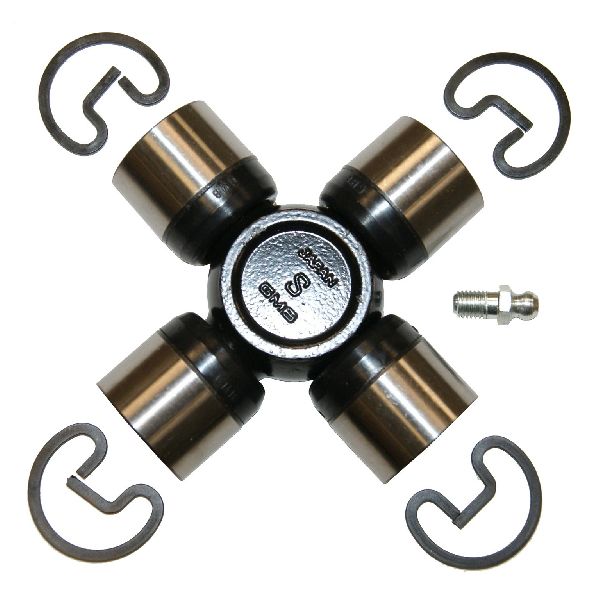
| Economy | GMB, Store Brands (e.g., Duralast) | These are budget-friendly options that can get the job done. However, for a part as critical as a U-joint, many classic car owners recommend spending a little more for a premium or standard brand to ensure longevity and reliability. |
Pro Tip: Greasable vs. Non-Greasable
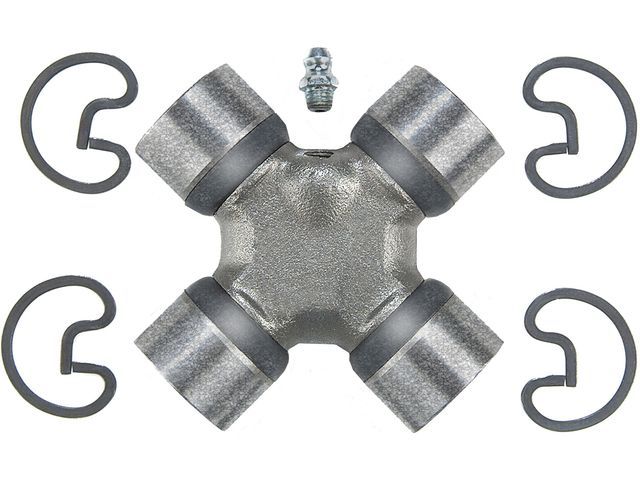
You will see options for U-joints with or without a grease fitting (zerk).
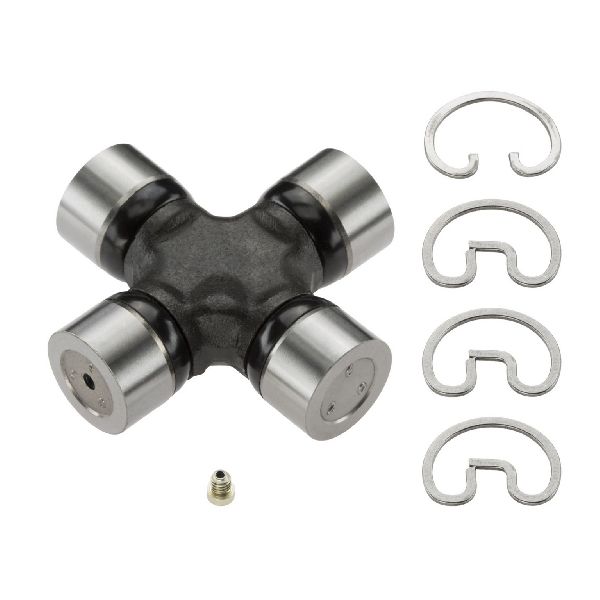
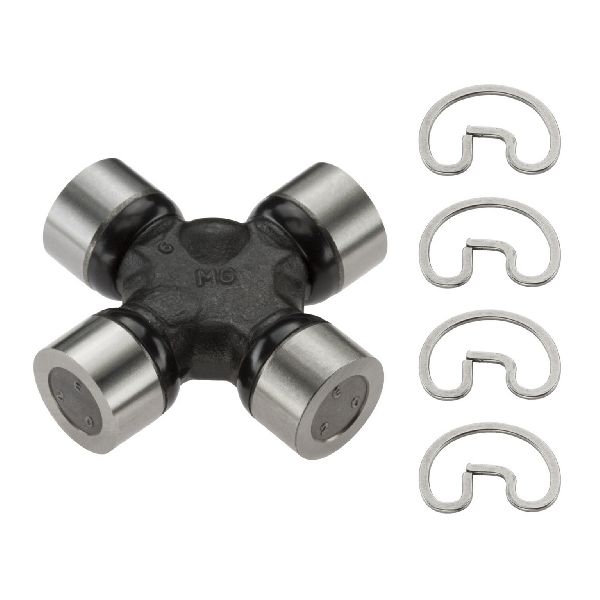
• Non-Greasable (Sealed): These are what most original manufacturers use. They are filled with high-quality grease at the factory and sealed. Because the cross body is solid, they are inherently stronger. Many experts prefer them for their longevity and set-it-and-forget-it nature.
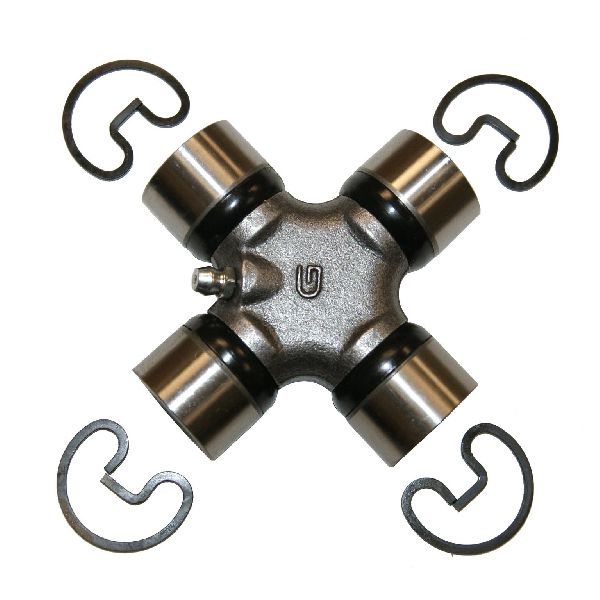
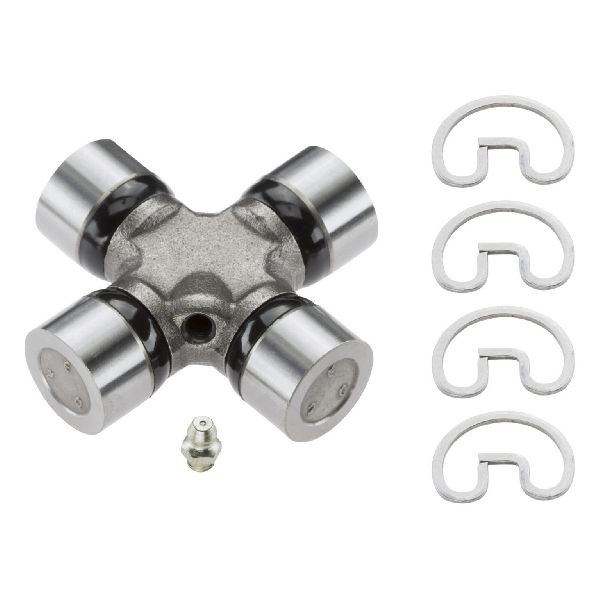
• Greasable: These have a fitting that allows you to add new grease periodically. This can help flush out contaminants. However, the joint itself is hollowed out to allow grease to pass, which makes it slightly weaker. If you choose this type, you must be diligent about greasing them regularly.
Frequently Asked Questions (FAQ)
How many U-joints does my 1962-1968 Chevy II have?
Your Chevy II has a one-piece driveshaft with two universal joints: one at the transmission end (front) and one at the differential end (rear). You should replace them in pairs.
Is replacing a U-joint a DIY job?
Yes, for someone with moderate mechanical skill and the right tools, this is a very feasible DIY project. It requires raising the vehicle safely, removing the driveshaft, and using a bench vise or a U-joint press to remove the old joints and install the new ones.
What are the most common mistakes when ordering?
The most common mistake is not confirming the exact size. While most 1962-1968 Chevy II models use the same size U-joint (often a 1310 series), previous owners may have swapped the driveshaft or rear axle. It is always best to measure your existing U-joint's cap diameter and width before ordering. Some suppliers list the 5-153X part number as correct for all models.
Are there any recalls or TSBs for Chevy II U-joints?
No, searches of the National Highway Traffic Safety Administration (NHTSA) database and for Technical Service Bulletins (TSBs) show no specific recalls or bulletins for universal joints on the 1962-1968 Chevrolet Chevy II. Any issues today are due to the age and wear of the original or replacement parts.
Technical Specifications
Most 1962-1968 Chevy II models use a 1310-series U-joint. A common replacement part number is Spicer 5-153X. However, it is critical to measure your existing U-joint's cap diameter and overall width to confirm fitment before ordering, as modifications could have been made over the vehicle's life.
We Have This Part in Stock

The information in this article is provided for general reference and educational purposes only. Vehicle specifications, procedures, and part compatibility can vary by production date, trim level, and region. Always consult your vehicle's factory service manual and verify part numbers before purchasing or performing repairs. Safety-critical components such as airbags, seat belts, and braking systems should be installed by a qualified professional.