

Steering Tie Rod End Replacement Guide for the Dodge Lancer
Restore tight, responsive steering in your classic Lancer by choosing the right tie rod ends.
- A bad tie rod is a critical safety issue; do not drive if you suspect a failure as it can lead to a complete loss of steering control.
- The 1962 Lancer was replaced by the Dodge Dart in 1963, but they share the same A-body platform, so many steering parts are interchangeable.
- Always replace tie rod ends in pairs (left and right) to ensure balanced steering and predictable handling.
- A professional wheel alignment is mandatory after replacing tie rod ends to prevent rapid tire wear and ensure safe driving.
A Note on Vehicle Years: 1962-1968 Dodge Lancer vs. Dart
The Dodge Lancer was produced for the 1961 and 1962 model years. After 1962, the Lancer was replaced by the Dodge Dart, which was built on the same Chrysler A-body platform and shared many mechanical parts, including steering and suspension components. This guide focuses on the 1962 Lancer, but the information regarding symptoms, brands, and replacement procedures is generally applicable to the 1963-1968 Dodge Dart as well. Always verify the part number for your specific year and model before ordering.
Symptoms of a Failing Tie Rod End
A worn tie rod end is not just a nuisance; it's a serious safety issue. If one fails completely, you can lose steering control on that wheel. Look for these warning signs:
- Loose or Sloppy Steering: A feeling of excessive play in the steering wheel is a classic symptom. You might turn the wheel slightly with no response from the tires.
- Clunking or Popping Noises: You may hear a distinct clunk or pop from the front end when turning, especially at low speeds like in a parking lot. This is the sound of the worn joint moving around.
- Uneven Tire Wear: Bad tie rods throw off the wheel alignment, causing the inside or outside edges of your front tires to wear out much faster than the rest of the tread.
- Steering Wheel Vibration: A worn tie rod can cause a shimmy or vibration that you feel in the steering wheel, which often gets worse at higher speeds.
Choosing the Right Aftermarket Tie Rod End
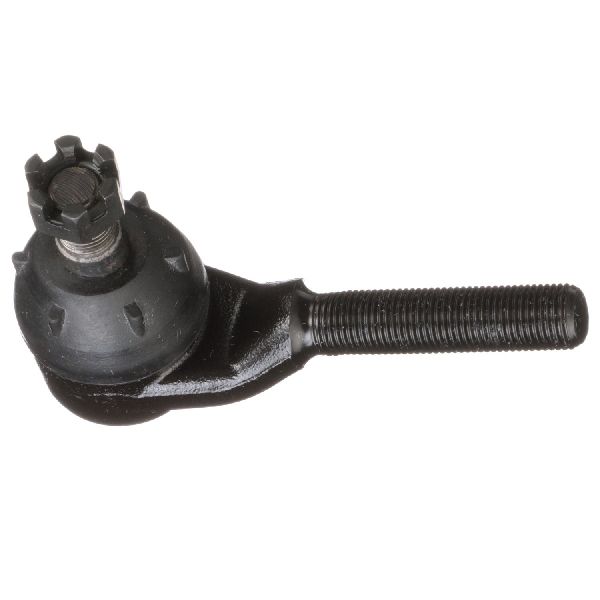
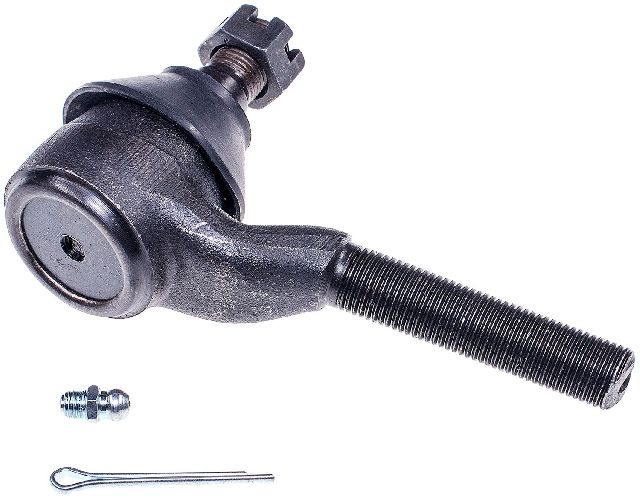
For a classic vehicle like the Lancer, new original equipment (OEM) parts are generally unavailable. Fortunately, today's aftermarket parts from reputable brands often meet or exceed the quality of the original 1960s components due to advances in materials and manufacturing. Here’s a breakdown of available brands, from premium to budget-friendly:
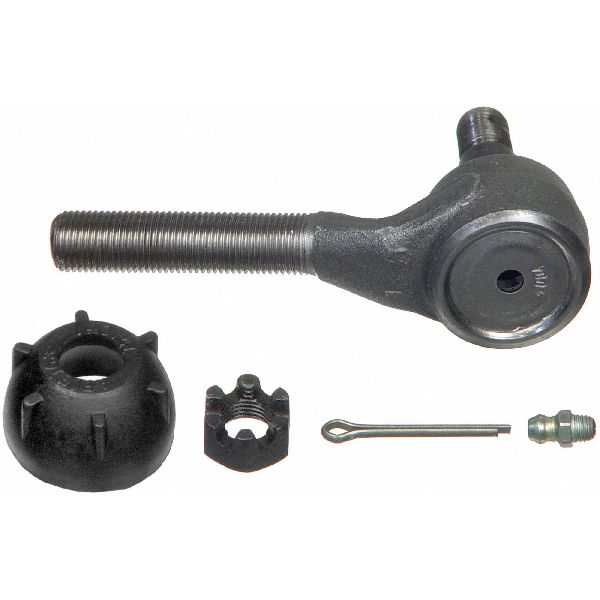
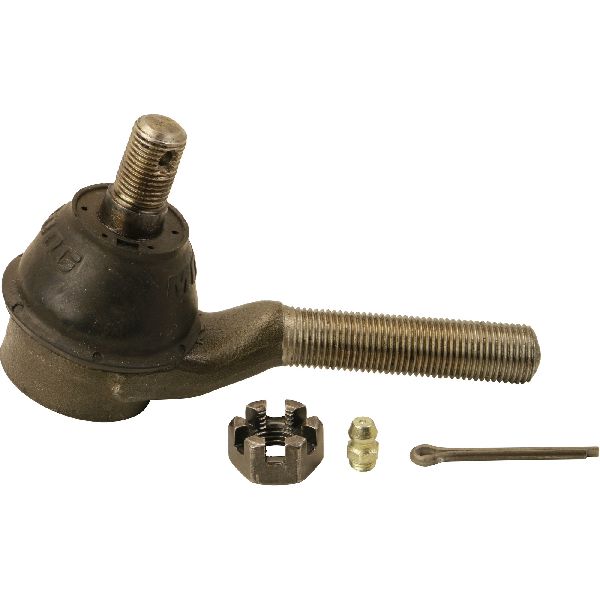
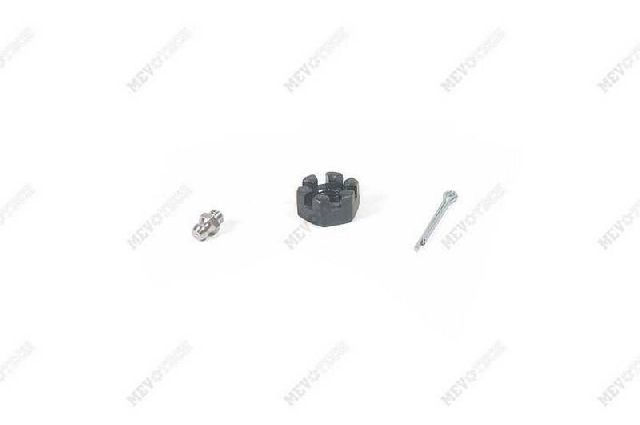
Pro Tip: Many modern tie rod ends are sealed and require no maintenance, while others are 'greasable' with a zerk fitting. Greasable joints can last longer if maintained, as you can flush out old grease and contaminants.
Brand Quality Tiers
- Premium (Best Quality): Brands like Moog and Delphi are well-regarded in the industry. Moog is often known for its 'Problem Solver' line, which can feature design improvements over the original. Delphi is a major OEM supplier, and their aftermarket parts are typically considered OEM-equivalent in quality.
- Mid-Grade (Good Balance of Quality and Price): Mevotech offers multiple lines, with their 'Supreme' or 'TTX' lines being a solid choice that competes well with premium brands. These often provide excellent durability and performance for the price.
- Standard/Economy (Budget-Friendly): Brands like Dorman and QuickSteer provide functional, affordable replacements. They are a good choice for a daily driver where budget is a primary concern, offering reliable performance for most driving conditions.
| Brand Tier | Common Brands | Estimated Price (Per Side) |
|---|---|---|
| Premium | Moog, Delphi | $45 - $60 |
| Mid-Grade | Mevotech (Supreme/TTX) | $40 - $55 |
| Standard | Dorman, QuickSteer, Mevotech (Basic) | $33 - $45 |
Frequently Asked Questions (FAQ)
Do I need an alignment after replacing tie rod ends?
Yes, absolutely. Replacing tie rod ends will change your vehicle's wheel alignment. You must get a professional front-end alignment immediately after installation to ensure proper handling, prevent tire damage, and maintain safety.
Should I replace inner or outer tie rods?
Most cars have both inner and outer tie rod ends. The outer end is the most common failure point. A mechanic can inspect your vehicle to see which parts are worn. If you're replacing the outers due to high mileage, it's often a good idea to inspect the inners and replace them at the same time if they show any wear.
Should I replace tie rods in pairs?
Yes. It is highly recommended to replace both the left and right tie rod ends at the same time. If one side has failed due to wear, the other side is likely not far behind. Replacing them in pairs ensures balanced steering and saves you from having to do the job (and another alignment) again soon.
Are there any recalls for the Dodge Lancer steering?
There are no active recalls or Technical Service Bulletins (TSBs) for steering components on the 1962 Dodge Lancer in the modern NHTSA database. This is common for vehicles of this age.
Technical Specifications
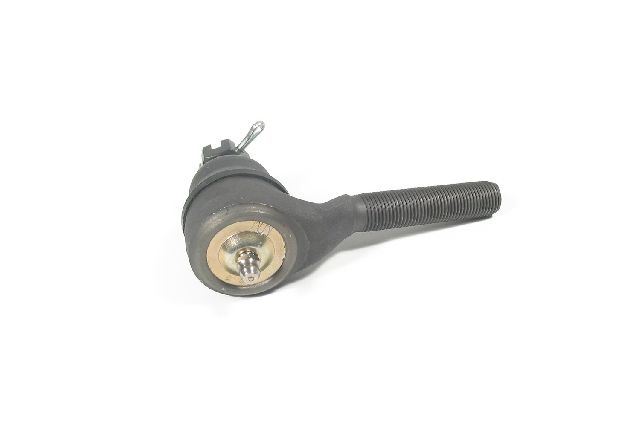
The 1962 Dodge Lancer uses a conventional steering system with inner and outer tie rod ends. These connect to a steering linkage (not a modern rack and pinion). Parts are often shared with other Chrysler A-body vehicles of the era, such as the Plymouth Valiant and Dodge Dart. Buyers must confirm fitment for their specific model and production date.
We Have This Part in Stock

The information in this article is provided for general reference and educational purposes only. Vehicle specifications, procedures, and part compatibility can vary by production date, trim level, and region. Always consult your vehicle's factory service manual and verify part numbers before purchasing or performing repairs. Safety-critical components such as airbags, seat belts, and braking systems should be installed by a qualified professional.