

Ford Thunderbird Starter Guide: Diagnosing and Replacing for 1962-1969 Models
If your Thunderbird clicks but won't crank, the starter might not be the real problem.
- Always diagnose the entire starting circuit first; the fender solenoid and battery cables are common failure points.
- A 'click-no-crank' symptom often points to the solenoid or bad connections, not the starter motor itself.
- Ensure you order the correct starter for your specific transmission (automatic vs. manual) to avoid fitment and grinding issues.
- Poor ground connections from the engine to the chassis are a frequent and often overlooked cause of starting problems.
Is It Really a Bad Starter? What to Check First

On a classic Ford like your 1962-1969 Thunderbird, a 'no-crank' situation is very common, but the starter motor itself is often not the direct cause. Before you spend time and money replacing the starter, you must check the parts of the starting circuit that fail most frequently. An experienced mechanic would check these items first.
Check These Before Replacing Your Starter
- Battery and Cables: A weak battery is the number one cause of starting issues. Even if the lights turn on, the battery may not have enough power to turn the heavy FE engine. Inspect the battery cables for corrosion, cracks in the insulation, or internal rot, which can prevent power from reaching the starter.
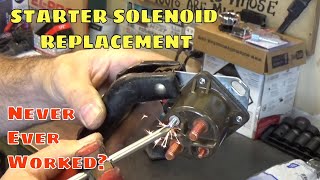
- Fender-Mounted Solenoid: These old Fords use a solenoid (also called a relay) on the fender wall to control the starter. These are a notorious failure point. A loud 'clunk' from the engine bay when you turn the key, followed by no crank, often points directly to a bad solenoid. 🎬 Watch: How to replace a failing Ford starter solenoid
- Ground Connections: A bad ground connection is a common gremlin. Ensure the ground cable from the battery to the frame and the ground strap from the frame to the engine block are clean and tight. A poor ground can mimic the symptoms of a dead starter.
Symptoms of a Failing Thunderbird Starter

If you've confirmed the battery, cables, and solenoid are good, the starter motor itself may be the problem. Common symptoms include:
- Single Click, No Crank: If the fender solenoid is good but you hear a single click from the starter motor itself and nothing happens, the starter's internal components may be worn out.
- Slow, Labored Cranking: The engine turns over, but very slowly, as if the battery is weak (even when it's fully charged). This indicates the starter motor is drawing too much power due to internal wear.
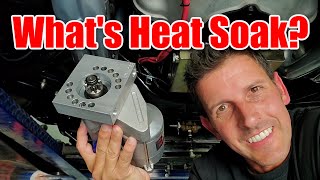
- Heat Soak: A common issue on FE engines is slow or no-cranking when the engine is hot. Heat from the nearby exhaust manifold increases electrical resistance in the starter, preventing it from working properly. It may start fine once it cools down.
- Grinding Noise: A loud grinding sound during starting can mean the starter's Bendix gear is damaged or not aligning properly with the flywheel's ring gear. This could be an issue with the starter or a fitment problem.
Choosing a New Aftermarket Starter

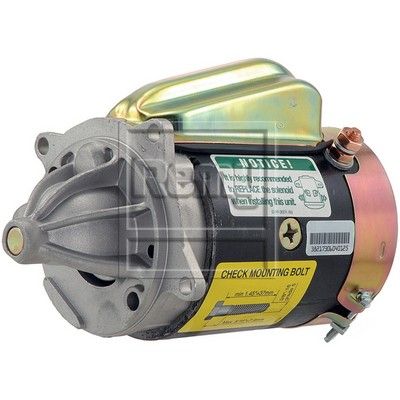
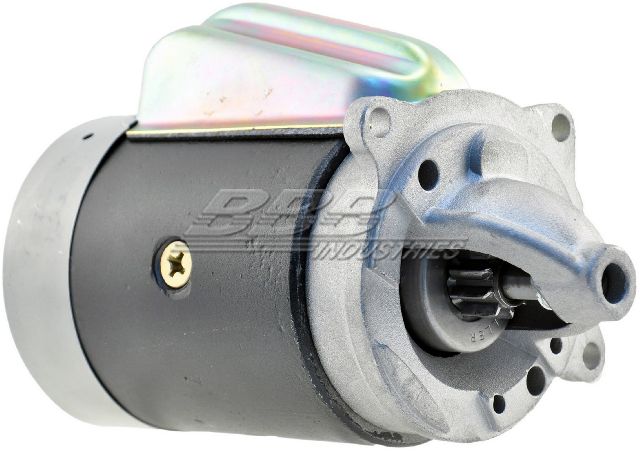
Original Ford (FoMoCo) starters for these cars haven't been made in decades. Your options are rebuilding an original core, or buying a new or remanufactured aftermarket part. For reliability and convenience, a new aftermarket starter is often a good choice.
Brand Quality: BBB Industries and Remy
BBB Industries and Remy are two of the largest suppliers of aftermarket starters, providing parts to many major auto parts stores. Both offer new and remanufactured starters that are designed to be direct-fit replacements. Forum discussions among car owners show mixed experiences with both brands; some users have years of success, while others report early failures. This is common in the mass-market aftermarket parts industry. For a daily driver, either brand is a standard, available choice. For a show car, some owners prefer to have the original starter rebuilt by a local specialty shop.
Pro Tip: Check Fitment Before You Order
The Ford FE engine family had variations over the years. Starters can differ between automatic and manual transmissions. The starter for a manual transmission may have a different nose cone length than one for an automatic. Always confirm your Thunderbird's specific transmission type before ordering to ensure you get the correct part and avoid grinding issues or a starter that won't engage.
Estimated Costs

| Part/Service | Estimated Cost |
|---|---|
| New Aftermarket Starter | $119 - $121 |
| Remanufactured Starter | $75 - $150 |
| Shop Labor for Installation | $120 - $240 |
Cost estimates are for parts and labor only and do not include taxes, shop fees, or diagnosis of related electrical issues.
Frequently Asked Questions (FAQ)
Is replacing the starter on a 1960s Thunderbird a DIY job?
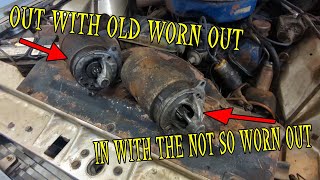
Yes, for a person with some mechanical experience. The job requires safely lifting and supporting the vehicle on jack stands, as the starter is accessed from underneath. The main challenges are often tight access around the exhaust and reaching the top mounting bolt. 🎬 Watch: A step-by-step starter swap on a '65 Thunderbird Always disconnect the battery before beginning work.
Are there any recalls for the starter on a 1962-1969 Thunderbird?
No. There are no NHTSA recalls for the starter on these vehicles. All failures are related to the age and wear of the components.
What is a high-torque starter and should I get one?
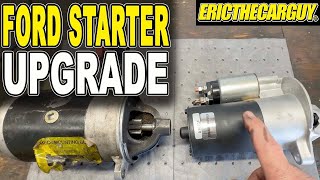
A high-torque starter is a modern, smaller design that uses gear reduction to produce more cranking power with less electricity. They are a popular upgrade for classic cars, especially those that suffer from heat soak, as they can overcome the extra resistance when hot. While not required, it can be a worthwhile upgrade for improved reliability.
My new starter just clicks. Is it defective?
Not necessarily. A huge percentage of starters returned for warranty test as perfectly fine. Before blaming the new starter, re-check that your battery is fully charged and that all cable connections at the battery, fender solenoid, starter, and engine block ground are perfectly clean and tight. Low voltage from a bad connection is the most common reason a new starter won't work.
Helpful Videos
Technical Specifications
Voltage: 12V, Rotation: Clockwise, Engine: Ford FE Series (390, 428), Drive Type: Direct Drive (Original Style)
We Have This Part in Stock

The information in this article is provided for general reference and educational purposes only. Vehicle specifications, procedures, and part compatibility can vary by production date, trim level, and region. Always consult your vehicle's factory service manual and verify part numbers before purchasing or performing repairs. Safety-critical components such as airbags, seat belts, and braking systems should be installed by a qualified professional.
- 🎬 Helpful Videos
- 🛍️ Shop This Part
- Is It Really a Bad Starter? What to Check First
- Check These Before Replacing Your Starter
- Symptoms of a Failing Thunderbird Starter
- Choosing a New Aftermarket Starter
- Pro Tip: Check Fitment Before You Order
- Estimated Costs
- Frequently Asked Questions (FAQ)
- 🎟️ Get 5% Off