

Suspension Ball Joint Guide for the 1962-1970 Mercury Comet
Keep your classic Comet steering true and riding smoothly by understanding when and how to replace your ball joints.
- A clunking noise from the front end, sloppy steering, or uneven tire wear are all classic signs of a bad ball joint on your Comet.
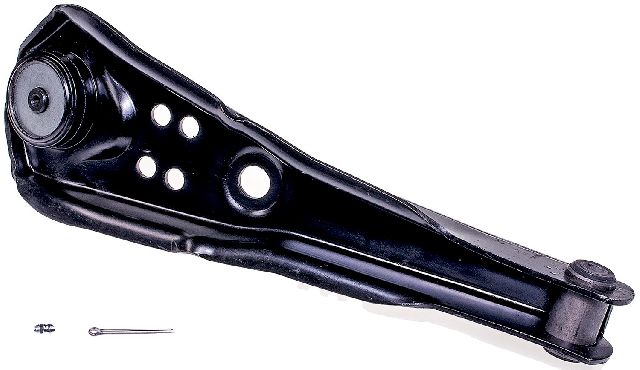
- For some models/years, the lower ball joint is part of the lower control arm and must be replaced as a complete assembly.
- Aftermarket brands vary in quality; Moog is considered a premium, durable option, while brands like Mevotech, Dorman, and QuickSteer are more budget-focused.
- A professional wheel alignment is mandatory after replacing ball joints to prevent handling issues and rapid tire wear.
Symptoms of a Failing Ball Joint
A worn ball joint on your Comet will usually give you a few warning signs. Ignoring them can lead to total failure, which can cause the suspension to collapse and a loss of steering control. Be aware of these common symptoms:
- Clunking or Popping Noises: This is often the first sign. You might hear a faint clunk or pop from a front corner of the car, especially when going over bumps, dips, or turning slowly. As the wear gets worse, the noise will become louder and more frequent.
- Steering Wander or Sloppiness: If your Comet feels like it's drifting or wandering on the road, requiring constant steering corrections, it could be due to worn ball joints. This creates a loose or vague feeling in the steering wheel. Some owners have even noted that a bad ball joint can cause the car to pull to one side under braking.
- Uneven Tire Wear: Inspect your front tires. If the inside or outside edges are wearing down faster than the rest of the tread, it's a strong indication that worn ball joints have knocked your wheel alignment out of spec.
- Vibrations: A loose ball joint can cause vibrations that you might feel in the steering wheel or through the floor of the car. This happens because the worn joint allows for excessive movement and shaking while the car is in motion.
Choosing the Right Aftermarket Ball Joint
Since new OEM Ford parts for these cars are long gone, you'll be choosing from aftermarket brands. For a classic like the Comet, the quality of modern materials and manufacturing can be a significant upgrade over the original 1960s parts. However, not all aftermarket brands are created equal. They generally fall into different quality tiers.
| Brand Tier | Brands | Description & Suitability |
|---|---|---|
| Premium | Moog | Moog is widely considered a top-tier aftermarket brand known for quality that often meets or exceeds original standards. They are a preferred choice for enthusiasts and for heavy-duty applications. While they are at the higher end of the price range, their durability and design, which often includes grease fittings for serviceability, make them a solid investment for longevity. |
| Standard / Mid-Grade | Mevotech | Mevotech offers a balance of affordability and quality, making it a popular standard replacement option. While some users report good experiences, others have noted inconsistent quality or fitment issues. They are generally considered a decent option for a daily driver but may not be as robust as premium brands for performance use. |
| Economy / Budget | Dorman, QuickSteer | Dorman offers a vast range of parts and is often a cost-effective solution. However, their quality can be very inconsistent; some parts are fine for standard use, while others may not last. QuickSteer is a budget brand from the same parent company as Moog, but it is not the same quality. These parts are best suited for light-duty, casual use where cost is the primary concern. |
Common Ordering Mistakes & Vehicle Differences
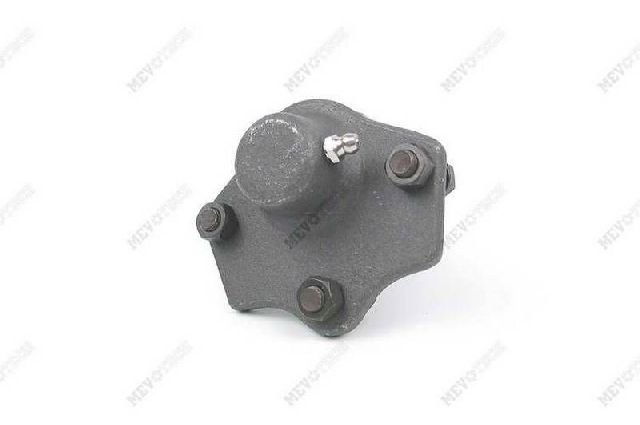
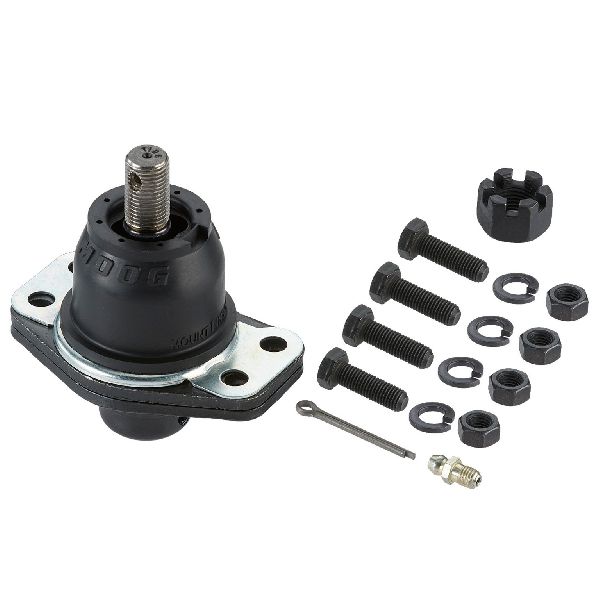
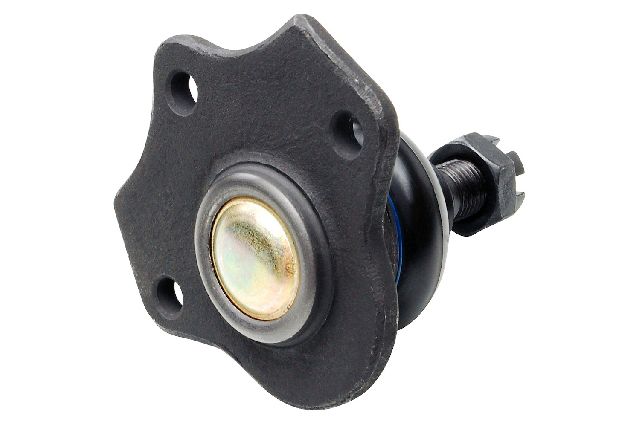
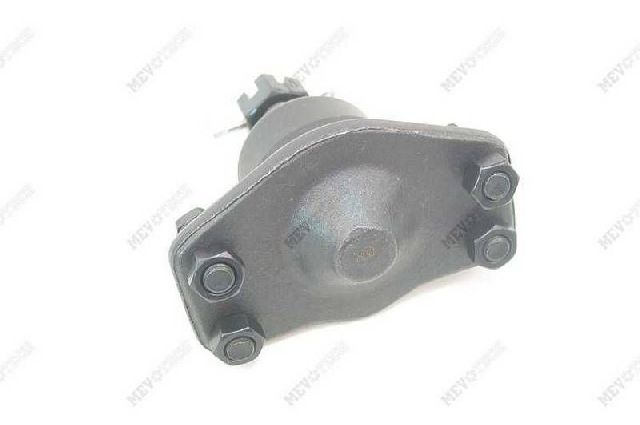
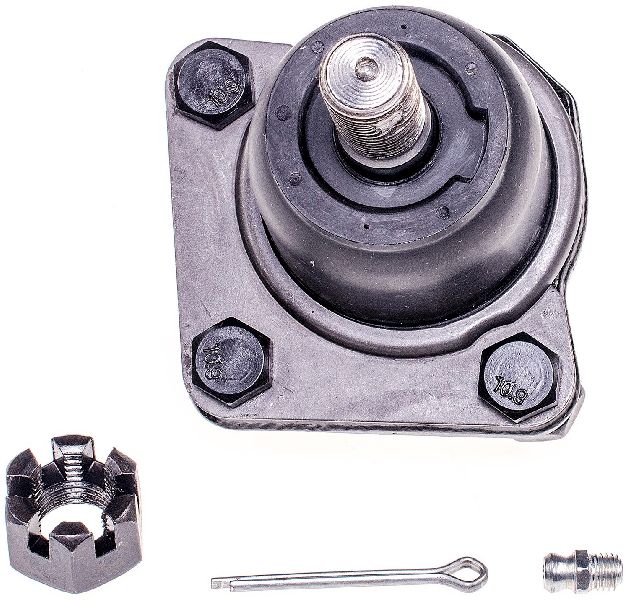
The 1962-1970 Mercury Comet shares its platform with the Ford Falcon, Fairlane, and Mustang of the era, but there are important differences. Depending on the model year, the upper ball joints can be secured with either three or four bolts. For some earlier models, the lower ball joint is integrated into the lower control arm and is not sold as a separate, replaceable part; you must replace the entire arm. Always verify the bolt count for your upper joints and confirm if your lower joints are replaceable before ordering.
Frequently Asked Questions (FAQ)
Do I need to replace my ball joints in pairs?
Yes, it is highly recommended. Ball joints on both sides of the car have been subjected to the same amount of wear and mileage. If one has failed, the other is likely not far behind. Replacing them in pairs ensures balanced handling and saves you from doing the same job twice in the near future.
What is the difference between a greasable and a sealed ball joint?
Greasable ball joints have a fitting (a Zerk fitting) that allows you to periodically pump in fresh grease, which flushes out old lubricant and contaminants. This was common on classic cars. Sealed ball joints are lubricated for life and require no maintenance. While sealed joints are common on modern cars, many classic car owners prefer greasable joints because they allow for regular service to prolong the part's life, a feature often found on premium aftermarket brands like Moog.
Is a wheel alignment necessary after replacing ball joints?
Yes, absolutely. Replacing ball joints directly affects the suspension geometry that determines your car's wheel alignment. A professional alignment is required after the job is done to ensure proper handling, prevent premature tire wear, and make sure the car tracks straight.
Were there any recalls for the 1962-1970 Comet ball joints?
No, there are no specific safety recalls or Technical Service Bulletins (TSBs) from the National Highway Traffic Safety Administration (NHTSA) for suspension ball joints on the 1962-1970 Mercury Comet. Ball joint wear is considered a routine maintenance item. There was a notable recall for 1970-1973 Comets related to the fuel tank in rear-end collisions, but not for suspension components.
Technical Specifications
OEM Part Numbers: D0OZ-3049-A
Varies by model year. Upper ball joints can be 3-bolt or 4-bolt design. Lower ball joints may be integral to the control arm on some models. Always verify your specific configuration before ordering.
We Have This Part in Stock

The information in this article is provided for general reference and educational purposes only. Vehicle specifications, procedures, and part compatibility can vary by production date, trim level, and region. Always consult your vehicle's factory service manual and verify part numbers before purchasing or performing repairs. Safety-critical components such as airbags, seat belts, and braking systems should be installed by a qualified professional.