

Engine Mount Guide for the 1962-1973 Pontiac Grand Prix
Eliminate excessive engine vibration and secure the powerful V8 in your classic Grand Prix.
- Failed engine mounts on your Grand Prix will cause vibrations, clunking noises, and visible engine movement.
- For this classic car, new aftermarket mounts are the only practical option, and they provide a significant improvement over worn-out originals.
- Always replace engine mounts in pairs to ensure balanced support for the engine.
- Inspect the transmission mount at the same time you replace the engine mounts, as it is likely worn as well.
Symptoms of a Failing Engine Mount
A bad engine mount will give you clear signs that it needs to be replaced. Because the part's job is to reduce vibration and hold the engine in place, the most common symptoms involve excessive movement and noise.
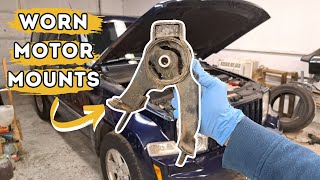
🎬 Watch this guide to identify and locate failing engine mounts.- Excessive Vibration: You may feel an unusual amount of vibration in the steering wheel or throughout the car, especially when idling. This happens because the worn rubber can no longer effectively dampen the engine's vibrations.
- Clunking or Thumping Noises: Loud clunks or thumps from the engine bay when you accelerate, decelerate, or shift gears are a serious sign. This noise is often the sound of the engine moving too much and hitting other components.
- Visible Engine Movement: With the parking brake on and a helper in the car, you can check for engine movement. Have them put the car in drive and then reverse while lightly pressing the gas. If you see the engine lurch or rock excessively, the mounts are likely worn out.
Choosing the Right Aftermarket Engine Mount
For a classic vehicle like the 1962-1973 Grand Prix, original equipment manufacturer (OEM) parts are no longer available. Aftermarket parts are your primary option. The brands available—Anchor, DEA, and Westar—are standard, economy-focused choices in the aftermarket industry. While some mechanics have had negative experiences with these brands, others find them to be an acceptable, budget-friendly replacement for OEM parts. Given the age of the vehicle, a new aftermarket mount will be a significant improvement over a worn, original part.
Pro-Tip: When replacing engine mounts, it's best practice to replace them in pairs (left and right) to ensure even support and wear. This is also a good time to inspect your transmission mount, as it is made of similar materials and endures similar stress.
Aftermarket Engine Mount Cost
| Part | Price Range |
|---|---|
| New Aftermarket Engine Mount | $12.79 - $31.02 |
Known Issues, Recalls, and Service Bulletins
There are no active recalls or technical service bulletins (TSBs) specifically for engine mounts on the 1962-1973 Pontiac Grand Prix. However, General Motors did issue a major recall for defective engine mounts on millions of 1965-1970 vehicles, including some Pontiacs. The original mounts could separate, causing the engine to lift and potentially lead to unintended acceleration. While this recall was addressed decades ago, it highlights the importance of using mounts with a safety-interlock design, which is standard in all modern replacement parts.
Frequently Asked Questions (FAQ)
How many engine mounts does my Grand Prix have?
Most V8-powered cars of this era, including the Grand Prix, typically use two engine mounts (one on each side of the engine) and one transmission mount at the rear of the transmission.
Can I replace just one bad engine mount?
While you can replace just the one failed mount, it is highly recommended to replace them as a set. The other mounts have been subjected to the same age and stress, and a new mount will put additional strain on the remaining old ones.
Is replacing an engine mount a DIY job?
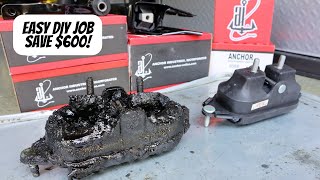
For an experienced DIY mechanic with the right tools, this is a manageable job. It requires safely supporting the engine with a jack and a block of wood, unbolting the old mounts, raising the engine slightly, and installing the new ones. If you are not comfortable with this process, it is best to have a professional mechanic perform the replacement.
🎬 See a step-by-step demonstration of replacing GM engine mounts.What's the difference between an engine mount and a transmission mount?
An engine mount supports the engine, while a transmission mount supports the transmission. They work together to secure the entire drivetrain, absorb vibrations, and manage torque. They are made of similar materials and often wear out around the same time.
Helpful Videos
Technical Specifications
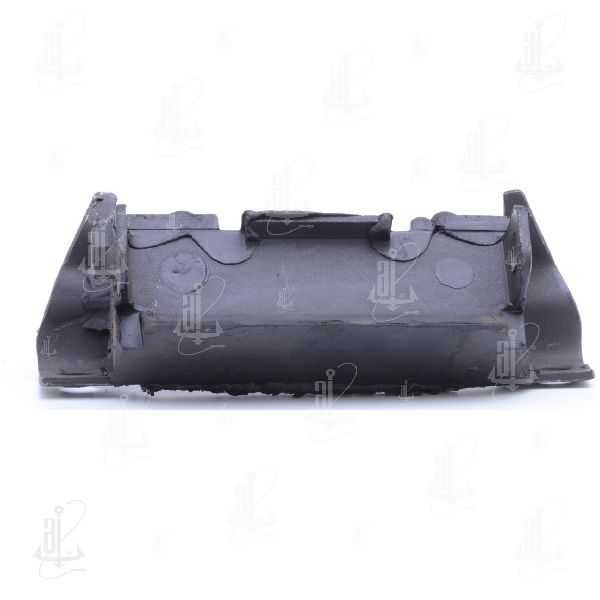
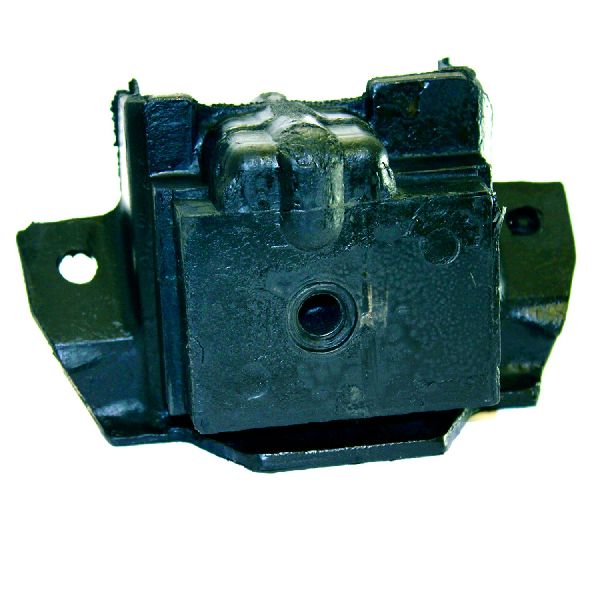
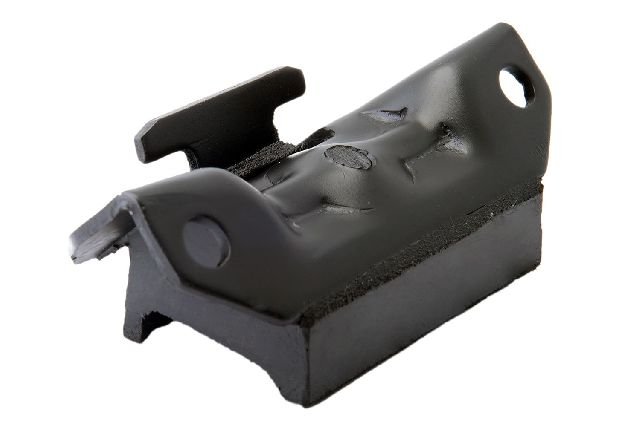
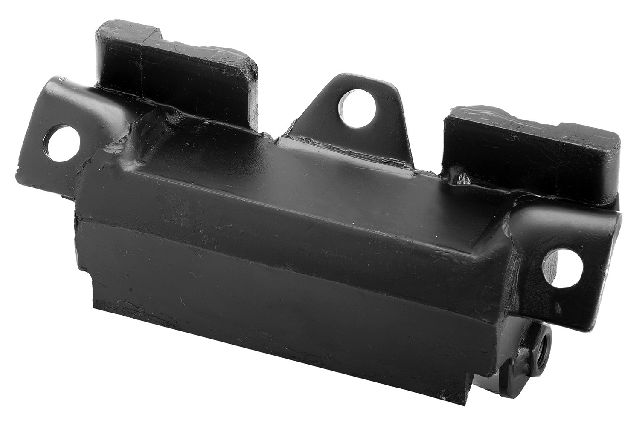
The mounts consist of a steel frame with a rubber or elastomer block designed to absorb vibration and secure the engine to the vehicle's chassis.
We Have This Part in Stock


The information in this article is provided for general reference and educational purposes only. Vehicle specifications, procedures, and part compatibility can vary by production date, trim level, and region. Always consult your vehicle's factory service manual and verify part numbers before purchasing or performing repairs. Safety-critical components such as airbags, seat belts, and braking systems should be installed by a qualified professional.