

A Guide to Carburetors for the 1962-1974 Chevrolet K10 Pickup
Keep your classic K10 running strong by understanding its fuel and air mixture needs.
- Upgrading to a new aftermarket carburetor from Edelbrock or Holley is a common, reliable solution for many running problems.
- For a stock-style restoration, a remanufactured carburetor from a brand like Uremco is a good option.
- Verify your engine size and original carburetor type (1, 2, or 4-barrel) before ordering a replacement.
- A new carburetor often solves issues like hard starting, poor idle, and hesitation that are common on these older trucks.
Is Your K10's Carburetor Failing?
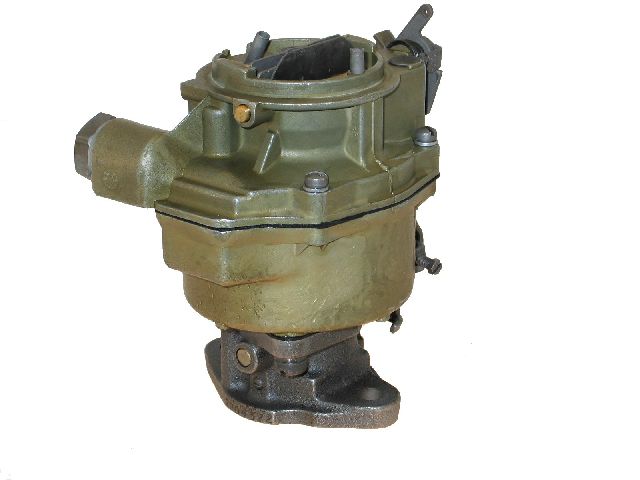
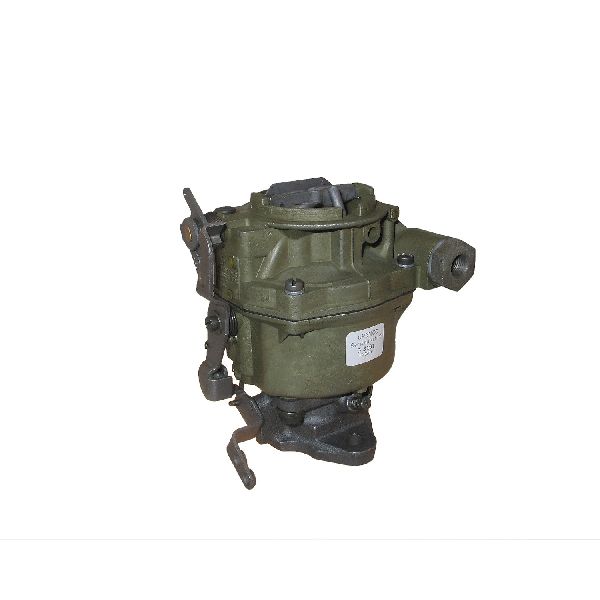
Original carburetors, like the Rochester models often found on these trucks, can develop problems with age. Many owners experience issues that a simple tune-up can't fix. Common complaints include a truck that's hard to start, especially after sitting for a few days. This is often caused by fuel leaking or evaporating from the carburetor's float bowl. Other frequent problems are vacuum leaks from warped surfaces, a faulty choke causing issues during cold starts, and hesitation when you step on the gas. While rebuilding an original carburetor is an option, it can be complex, and you might still be left with a worn-out main body. For many owners, replacing the entire unit with a new aftermarket carburetor is a more reliable and straightforward solution.
Choosing the Right Aftermarket Carburetor
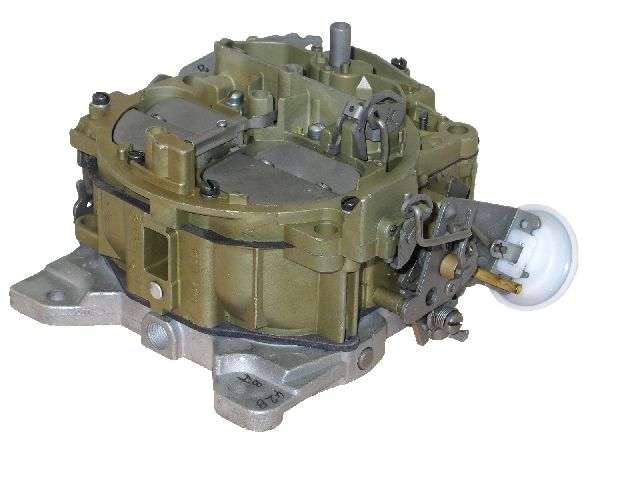
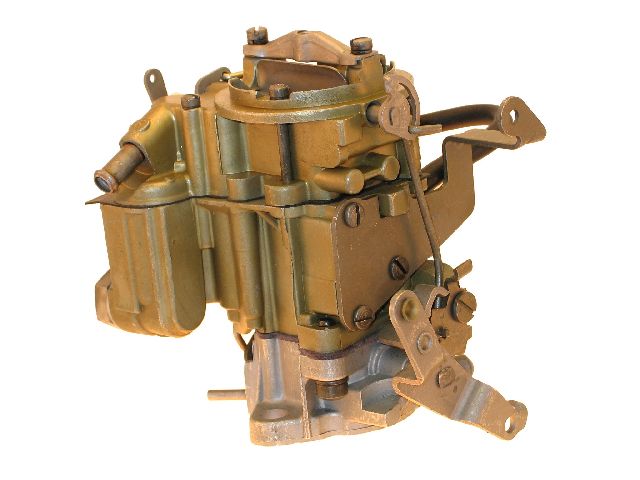
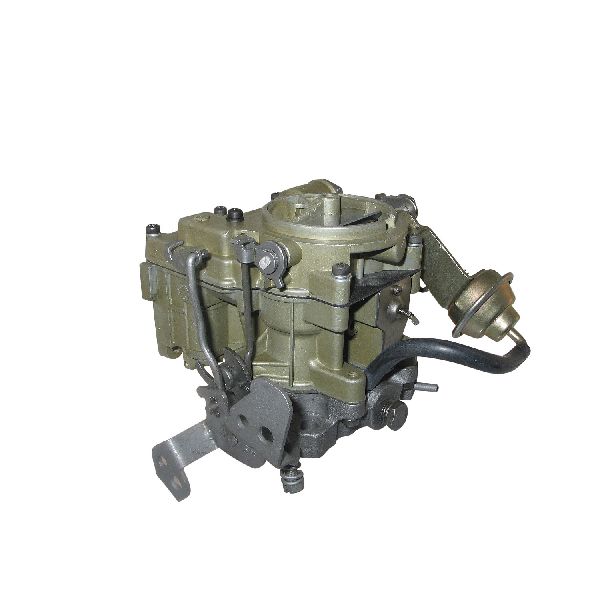
For a vehicle from this era, "OEM" new parts are generally not available. The market is dominated by new aftermarket units and remanufactured carburetors. Aftermarket brands like Edelbrock and Holley are popular upgrades, known for reliability and performance. Uremco is a well-known brand that offers remanufactured carburetors, which are rebuilt to factory specifications.
Brand Tiers for Your K10
| Tier | Brands | Best For |
|---|---|---|
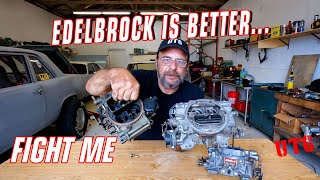
| Performance Upgrade | Edelbrock, Holley | Owners looking for improved performance, reliability, and easy tuning. Edelbrock is often praised for its user-friendly design and out-of-the-box performance for street-driven trucks. Holley is a legend in racing and offers maximum power potential, though it can be more complex to tune. | 🎬 Compare Edelbrock and Holley carburetors for your daily driver.
| Stock Replacement | Uremco (Remanufactured) | Owners who want to maintain the original look and function. Uremco rebuilds original carburetors to meet or exceed OEM specifications, providing a direct-fit replacement. |
Known Issues, Recalls, and Bulletins
For vehicles of this age, formal recalls or Technical Service Bulletins (TSBs) from the manufacturer for a part like a carburetor are highly unlikely. Searches on the National Highway Traffic Safety Administration (NHTSA) database did not show any recalls specifically for carburetors on the 1962-1974 Chevrolet K10 Pickup. Most issues are related to the normal wear and tear of a 50+ year-old part, such as internal leaks, worn throttle shafts, and problems related to modern ethanol-blend fuels.
What is CFM and How Much Do I Need?
CFM stands for Cubic Feet per Minute, and it measures how much air the carburetor can flow. For a mostly stock V8 engine like a 350 found in many K10s, a carburetor in the 500 to 650 CFM range is usually the best choice. A carb that is too large can hurt throttle response and performance at low RPMs. Always check your engine size and intended use before selecting a CFM rating.
Cost Comparison
| Part Type | Estimated Cost |
|---|---|
| New Aftermarket (Edelbrock, Holley) | $313.86 - $469.95 |
| Remanufactured (Uremco) | $100 - $300 |
| Shop Labor | $150 - $300 |
Frequently Asked Questions
Can I clean my old carburetor instead of replacing it?
Yes, cleaning and rebuilding a carburetor with a kit is possible and can solve some issues. However, if the carburetor's main body is warped or the throttle shafts are worn, a rebuild kit won't fix the problem. For many, the reliability of a new or professionally remanufactured carburetor is a better long-term solution.
What's the difference between a 2-barrel and a 4-barrel carburetor?
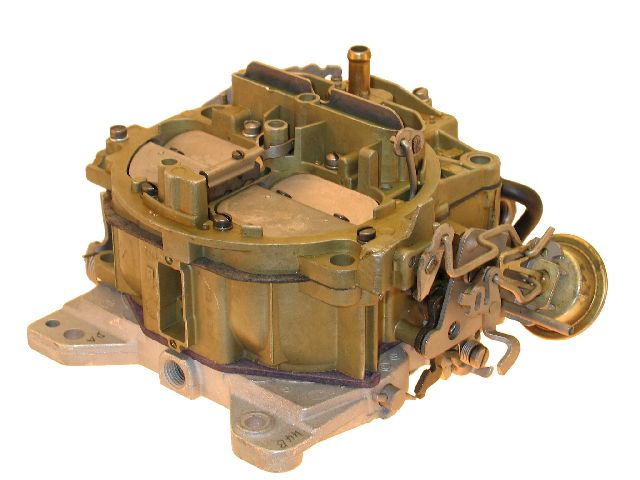
The number of barrels refers to the number of openings (venturis) that mix air and fuel. A 2-barrel carburetor is common on standard engines, while a 4-barrel is typically used on larger, higher-performance V8s. 4-barrel carbs, like the Rochester Quadrajet, often use two small primary barrels for efficiency and two larger secondary barrels for power under heavy acceleration.
Do I need to make adjustments to a new aftermarket carburetor?
Often, yes. While brands like Edelbrock are known for running well right out of the box, some adjustments to the idle speed and air/fuel mixture screws are usually necessary to get your specific engine running perfectly. Holley carburetors are more tunable but may require more initial setup.
Will a new carburetor work with modern gasoline?
Yes, major aftermarket brands like Edelbrock and Holley, as well as remanufacturers like Uremco, design their modern products to be compatible with today's gasoline, which often contains ethanol. This is a significant advantage over an un-rebuilt original carburetor, which may have components that degrade with ethanol exposure.
Helpful Videos
Technical Specifications
Original carburetors were often Rochester 1-barrel, 2-barrel (2GC), or 4-barrel (Quadrajet) models. Aftermarket replacements are typically square-bore or spread-bore 4-barrel designs. For stock V8s, a CFM rating of 500-650 is common.
We Have This Part in Stock

The information in this article is provided for general reference and educational purposes only. Vehicle specifications, procedures, and part compatibility can vary by production date, trim level, and region. Always consult your vehicle's factory service manual and verify part numbers before purchasing or performing repairs. Safety-critical components such as airbags, seat belts, and braking systems should be installed by a qualified professional.