

Choosing the Right Ignition Coil for Your 1962-1974 MG MGB
Understanding your MGB's specific ignition system is the key to choosing the correct replacement coil.
- You must identify if your MGB has a 3.0-ohm (non-ballasted) or 1.5-ohm (ballasted) system before buying a coil.
- Using the wrong ohm coil will lead to poor performance or damage to ignition components.
- For a stock MGB, a standard replacement coil from a quality brand like NGK or Standard Ignition is a better choice than a high-performance 'sports coil'.
- Replacement is a very easy DIY job that takes less than 30 minutes with basic tools.
Signs of a Failing Ignition Coil
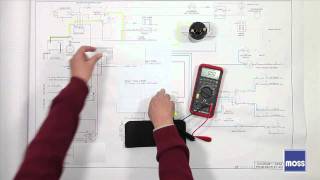
A failing ignition coil in an MGB will cause noticeable running problems. Because it is responsible for generating the spark, any weakness or failure directly impacts engine performance. 🎬 Watch: An introduction to the MGB ignition system You may experience one or more of the following symptoms:
- No-Start or Hard Starting: The engine cranks but won't fire up, or takes a long time to start. This can be worse when the engine is cold.
- Engine Misfires: The car may jerk, hesitate, or sputter while driving as a cylinder fails to fire consistently.
- Rough Idle: When stopped, the engine may shake or run unevenly.
- Engine Cutting Out: The engine may die unexpectedly, sometimes after it has warmed up, and may refuse to restart until it cools down.
- Backfiring: Loud bangs from the exhaust can occur when unburned fuel from a misfire ignites in the hot exhaust system.
- Loss of Power: The car will feel sluggish and weak during acceleration.
Critical: Ballasted vs. Non-Ballasted Systems
Before buying a coil, you MUST know which ignition system your MGB has. Using the wrong coil will cause either a weak spark or damage to your ignition components.
- Non-Ballasted (1962 - approx. 1972): These early cars use a 3.0-ohm ignition coil. The coil receives a direct 12 volts from the ignition switch.
- Ballasted (approx. 1973 - 1974): These later cars use a 1.5-ohm ignition coil and a special ballast resistor wire built into the harness. This system sends a full 12 volts to the coil only during starting for a stronger spark, then reduces the voltage to around 6-9 volts during normal running to protect the coil and ignition points. 🎬 Watch: A deep dive into how ballasted ignition systems work
How to Check: Don't rely on the year alone, as parts may have been changed. With the ignition on and engine off, use a multimeter to check the voltage at the coil's positive (+) terminal. If you see ~12 volts, you have a non-ballasted system. If you see ~6-9 volts, you have a ballasted system. You can also measure the primary resistance of your old coil across the two small terminals; a reading near 3.0 ohms indicates a non-ballasted coil, while a reading near 1.5 ohms indicates a ballasted type.
Choosing the Right Aftermarket Ignition Coil
For a classic like the MGB, aftermarket parts are the standard. The quality of the original brand, Lucas, can be inconsistent with modern reproductions. Aftermarket brands often provide reliable performance, provided you select the correct part for your system.
Brand Quality Tiers
- Tier 1 (Recommended): Brands like NGK and Standard Ignition (Intermotor) have a strong reputation in the MG community for reliability and consistent quality. They are a safe bet for a stock replacement.
- Tier 2 (Standard Replacement): Brands such as Spectra, WAI Global, and Skyward offer a cost-effective solution. These are standard-grade parts that will perform correctly but may not have the same long-term durability reputation as the top-tier brands.
- A Note on "Sports Coils": Some brands offer high-output "sports coils" that promise a higher voltage spark. While they can provide a benefit in highly tuned or racing engines, they are generally not necessary for a stock MGB. They can sometimes cause other issues, like premature failure of the rotor arm, if the rest of the ignition system is not in perfect condition.
| Part Type | Price Range |
|---|---|
| New Aftermarket | $23.53 - $37.13 |
| New OEM (Lucas) | $50 - $85 |
| Shop Labor | $50 - $100 |
Pro Tip: When you buy a new coil, use a multimeter to check its primary resistance before installing it. This simple step confirms you have the correct 3.0-ohm or 1.5-ohm part before you connect it to your car.
Frequently Asked Questions (FAQ)
What's the difference between a 3.0-ohm and 1.5-ohm coil?
The ohm rating refers to the coil's primary resistance. A 3.0-ohm coil is designed to run on a steady 12 volts (non-ballasted system). A 1.5-ohm coil is designed for a ballasted system, where a resistor wire lowers the running voltage to prevent the coil from overheating.
How do I know if my MGB has a ballasted ignition?
Generally, cars from 1973-1974 have a ballasted system. The surest way to know is to test the voltage at the coil's positive terminal with the ignition on. If it's around 6-9 volts, it's ballasted. If it's 12+ volts, it's non-ballasted.
Can I 'upgrade' to a sports coil?
You can, but it's usually not necessary for a stock engine. A standard coil from a quality brand like NGK is more than adequate. A high-voltage sports coil can sometimes stress other ignition components like the rotor arm, potentially causing new problems.
How do I test my ignition coil?
You can perform a basic test with a multimeter. Check the primary resistance between the two small (+) and (-) terminals. It should be around 1.5 ohms or 3.0 ohms, depending on your system. You can also check the secondary resistance between the center high-tension tower and the negative terminal, which should be several thousand ohms (typically 6k-12k ohms). A reading of infinity (OL) on either test indicates a failed coil.
🎬 See this step-by-step guide to testing coils with a multimeterHelpful Videos
Technical Specifications
OEM Part Numbers: DLB101
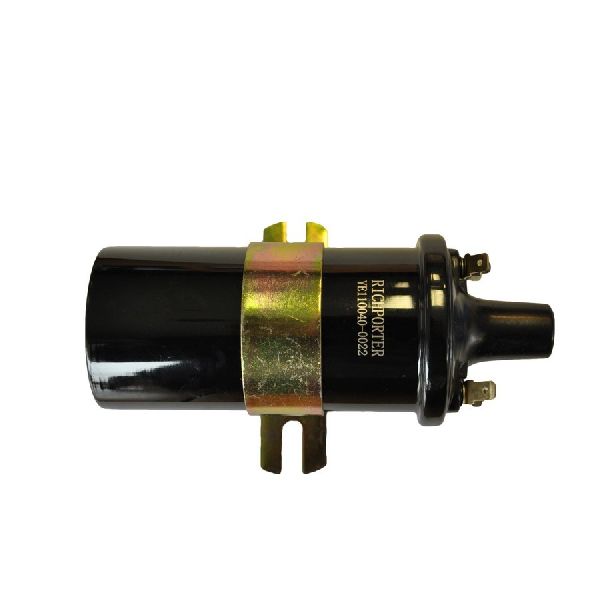
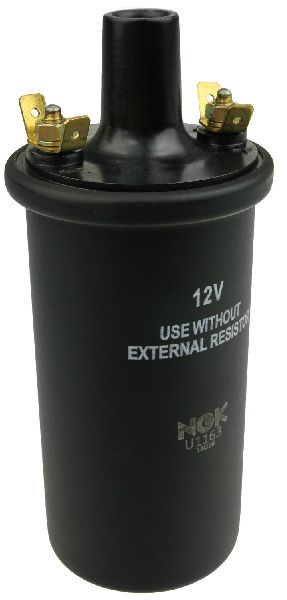
Primary Resistance: ~3.0 Ohms (for non-ballasted systems, approx. 1962-1972) OR ~1.5 Ohms (for ballasted systems, approx. 1973-1974). Voltage: 12V. Terminal Type: Varies (Spade or Threaded Stud).
We Have This Part in Stock


The information in this article is provided for general reference and educational purposes only. Vehicle specifications, procedures, and part compatibility can vary by production date, trim level, and region. Always consult your vehicle's factory service manual and verify part numbers before purchasing or performing repairs. Safety-critical components such as airbags, seat belts, and braking systems should be installed by a qualified professional.