

A/C Compressor Replacement for the 1962-1976 Buick LeSabre
Everything you need to know before replacing the A/C compressor on your classic LeSabre.
- Your LeSabre's original R12 A/C system must be converted to R134a when installing a new compressor.
- Replacing only the compressor is not enough; you must also replace the accumulator/drier and orifice tube to prevent immediate damage to the new part.
- This is not a simple DIY job; it requires specialized tools and knowledge of refrigerant handling, making a professional repair the recommended choice.
- No specific A/C-related recalls were found for the 1962-1976 Buick LeSabre.
Is Your LeSabre's A/C Blowing Warm?
If the air conditioning in your 1962-1976 Buick LeSabre isn't cooling like it used to, a failing A/C compressor is a likely suspect. This part works hard and can wear out over time. Recognizing the signs of failure can help you diagnose the problem before it causes more damage to the system.
Common Failure Symptoms
- Loud Noises: Grinding, squealing, or rattling sounds when you turn the A/C on can point to failing internal components or a bad clutch. A seized compressor might cause a belt to squeal or even break.
- Warm Air from Vents: The most obvious symptom is a lack of cold air. If the compressor can't create enough pressure, the refrigerant won't cool properly.
- Compressor Clutch Not Engaging: The clutch on the front of the compressor pulley should click and start spinning when you turn on the A/C. If it doesn't move, it could be a bad clutch or an electrical issue, but it often points to a problem with the compressor or low refrigerant levels.
- Fluid Leaks: The compressor has seals that can fail over time, leading to refrigerant and oil leaks. You might see a greasy residue on the compressor body.
Important: R12 vs. R134a Refrigerant
Your classic LeSabre was originally equipped with an A/C system that used R12 refrigerant. R12 is no longer produced and is difficult to obtain. All new aftermarket compressors are designed to work with modern R134a or a similar alternative. You cannot simply add R134a to an R12 system. A full conversion is required.
Choosing the Right Aftermarket Compressor
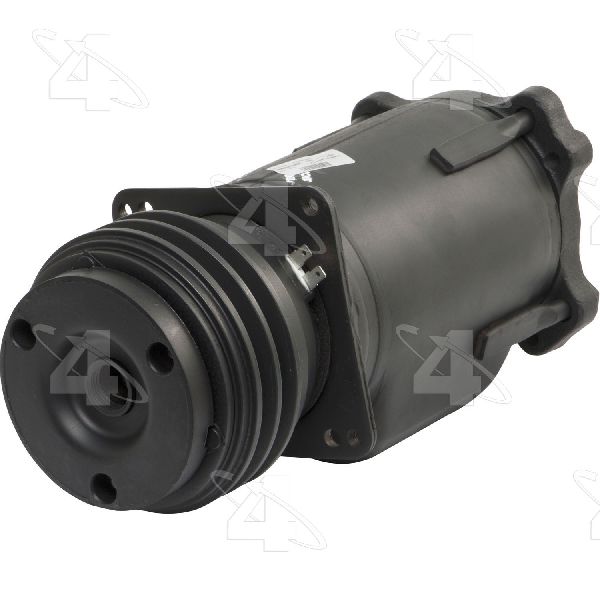
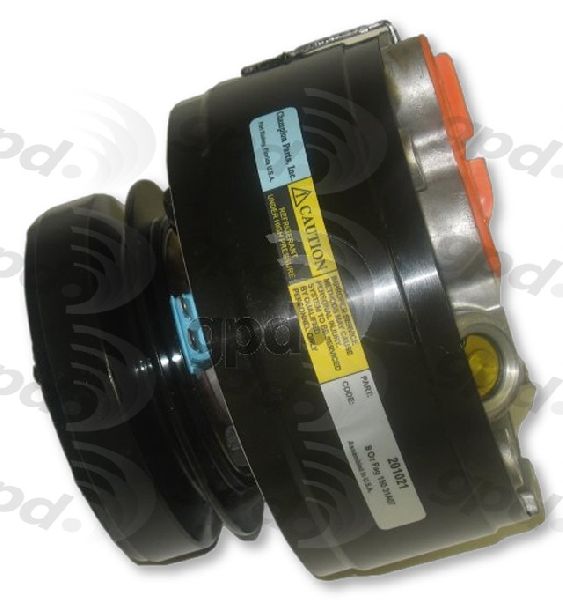
Since new original Harrison A6 compressors are not readily available, you will be choosing from new aftermarket options. The key to a successful replacement is not just the compressor itself, but replacing other critical components at the same time.
Brand Quality: Four Seasons vs. Global Parts
When shopping for your LeSabre, you'll likely see brands like Four Seasons and Global Parts (GPD).
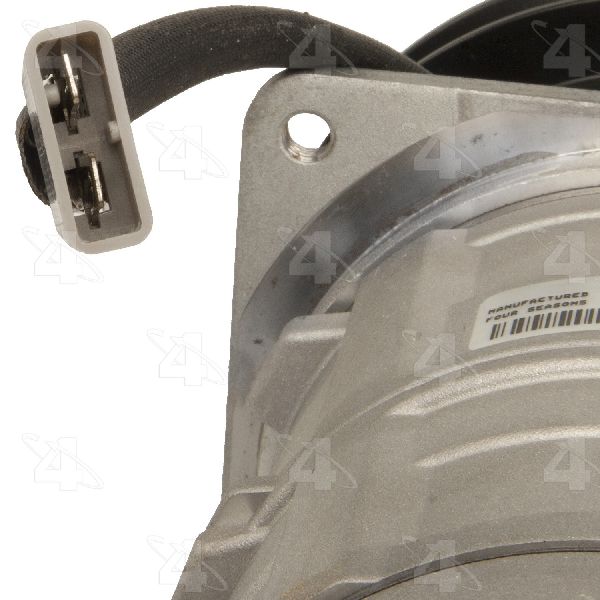
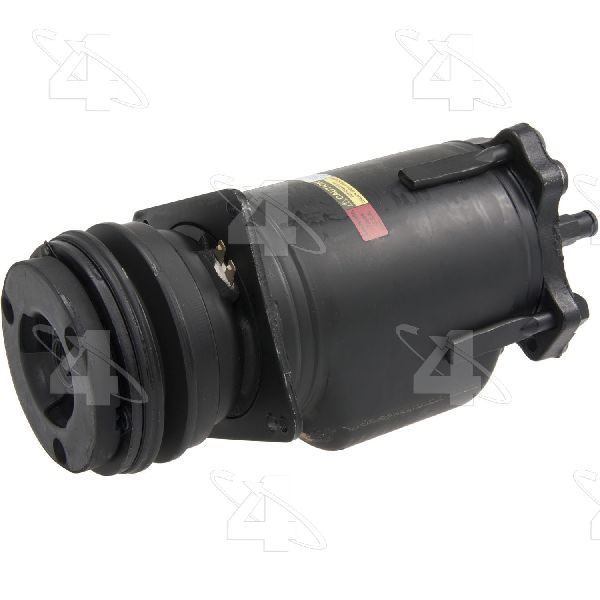
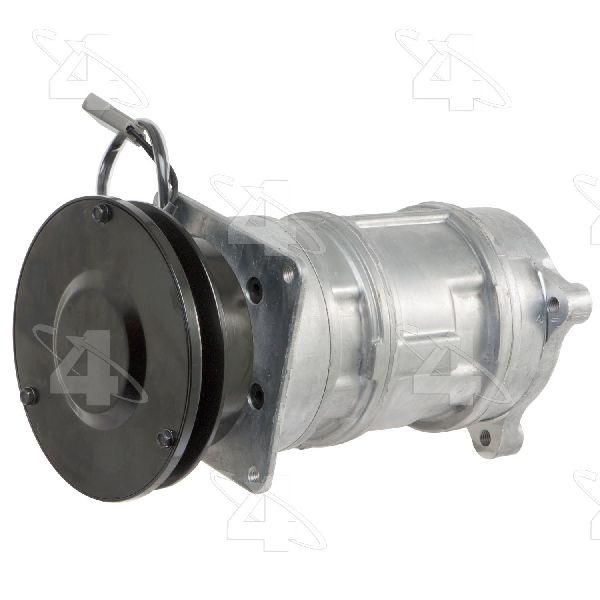
- Four Seasons: This is a well-established brand in the HVAC parts industry. Experiences can be mixed; some mechanics have used them for years without issue, while others have faced reliability problems, particularly with remanufactured units. Opting for a new Four Seasons compressor, rather than a remanufactured one, is generally recommended.
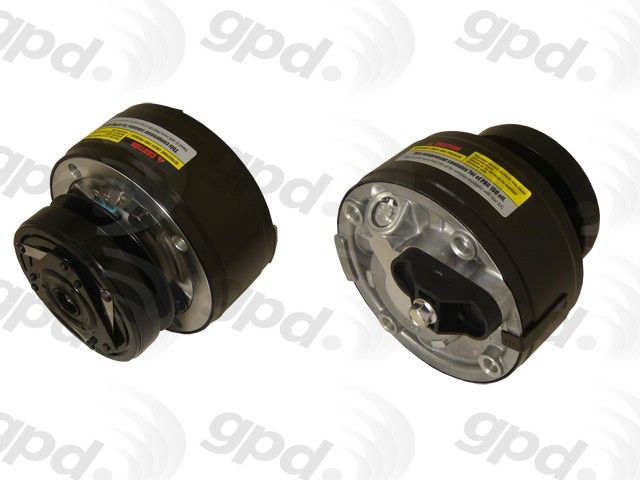
- Global Parts (GPD): GPD is known for testing its compressors and often provides them with the correct oil charge already installed. They strongly recommend replacing the full set of service components (like the accumulator and orifice tube) at the same time, often selling complete kits. User feedback is generally positive regarding their new units.
Pro Tip: Always Replace, Never Reuse
When your compressor fails, especially if it fails internally, it sends metal debris throughout the entire A/C system. Just replacing the compressor is a recipe for immediate failure of the new part. To do the job right, you MUST also replace the accumulator/receiver-drier, and the orifice tube or expansion valve. You must also thoroughly flush the evaporator, condenser, and lines to remove all old oil and debris.
Cost of Replacing Your A/C Compressor
Here is a general breakdown of what to expect for costs. Prices can vary based on your specific year and the labor rates in your area.
| Part/Service | Estimated Cost |
|---|---|
| New Aftermarket Compressor | $217 - $833 |
| A/C Service Kit (Accumulator, Orifice Tube, O-rings) | $50 - $150 |
| Shop Labor & System Recharge | $350 - $600 |
| Total Estimated Cost | $617 - $1583 |
Frequently Asked Questions
Do I have to convert to R134a refrigerant?
Yes. The original R12 refrigerant is no longer manufactured due to environmental regulations. All modern replacement compressors are designed for R134a or other R12 alternatives. A proper conversion involves changing service ports, replacing O-rings, flushing out the old mineral oil, and adding compatible PAG or Ester oil.
Can I just replace the compressor clutch?
If the compressor itself is confirmed to be in good condition and only the clutch has failed, it is sometimes possible to replace just the clutch. However, if the compressor is old or the reason for the clutch failure is internal binding, it is far safer to replace the entire compressor assembly.
Is this a good DIY project?
Replacing an A/C compressor is an advanced DIY job. It requires specialized tools, including a refrigerant recovery machine (it is illegal to vent refrigerant into the atmosphere), a vacuum pump, and manifold gauges. Given the need for a proper system flush and handling of refrigerant, this job is best left to a professional mechanic who specializes in automotive A/C work.
Were there any recalls for the A/C compressor on this LeSabre?
Searches of the National Highway Traffic Safety Administration (NHTSA) database did not show any specific safety recalls for the A/C compressor or A/C system for the 1962-1976 Buick LeSabre.
Technical Specifications
The original compressor was typically a General Motors/Harrison A6 axial compressor. Aftermarket replacements will be compatible modern units. The system must be converted from R12 to R134a refrigerant and use compatible PAG or Ester oil.
We Have This Part in Stock

The information in this article is provided for general reference and educational purposes only. Vehicle specifications, procedures, and part compatibility can vary by production date, trim level, and region. Always consult your vehicle's factory service manual and verify part numbers before purchasing or performing repairs. Safety-critical components such as airbags, seat belts, and braking systems should be installed by a qualified professional.
- 🛍️ Shop This Part
- Is Your LeSabre's A/C Blowing Warm?
- Common Failure Symptoms
- Important: R12 vs. R134a Refrigerant
- Choosing the Right Aftermarket Compressor
- Brand Quality: Four Seasons vs. Global Parts
- Pro Tip: Always Replace, Never Reuse
- Cost of Replacing Your A/C Compressor
- Frequently Asked Questions
- 🎟️ Get 5% Off