

Ford F-250 Starter Guide for 1962-1976 Models
Everything you need to know about choosing and replacing the starter on your classic Ford F-250.
- Before buying a starter, check your battery, cables, and the fender-mounted starter solenoid first, as they can cause similar symptoms.
- Heat soak is a common issue on V8 models; a quality new starter and good cables are the best solution.
- Replacement is a straightforward DIY job unless you have aftermarket headers, which can block access.
- Verify the starter is correct for your specific engine and transmission combination before purchasing.
Is Your F-250 Starter Failing?
A bad starter can leave you stranded. Because these trucks are from a simpler era, the signs of failure are usually straightforward. Don't get stuck; learn the symptoms before it's too late.
Common Symptoms of a Bad Starter
🎬 Watch: Hear the different sounds a failing starter makes- Single Loud Click, Then Nothing: This is a classic sign. The click is the starter solenoid trying to engage, but the motor itself isn't turning. This can be due to worn internal parts or a bad connection.
- Slow, Labored Cranking: If your engine turns over much slower than usual, like it's struggling, the starter motor could be wearing out and losing power. This can also be a sign of a weak battery, so it's important to check your battery's health first.
- Grinding Noise: A harsh grinding sound when you turn the key is a serious warning. It often means the starter's gear is not meshing correctly with the flywheel, or the gear is damaged. Stop trying to start the engine immediately to avoid damaging the flywheel, which is a much more expensive repair.
- No Sound at All: If your battery is good and the lights on the dash work, but you get complete silence when you turn the key, the starter may have completely failed.
- Intermittent Starting: The truck starts fine one day but won't crank the next. This points to a component inside the starter that is failing inconsistently.
Heat Soak: A Common Issue on V8 Trucks
Many F-250s, especially those with V8 engines and aftermarket headers, suffer from "heat soak." The starter is located close to the hot exhaust manifold. After a long drive, this heat increases the electrical resistance in the starter and its wiring, making it too weak to crank the hot engine. You might have to wait 30 minutes or more for it to cool down before it will start again. While some owners use starter blankets or heat shields, ensuring you have a high-quality starter and clean, heavy-gauge battery cables is the best defense.
Choosing a New Aftermarket Starter
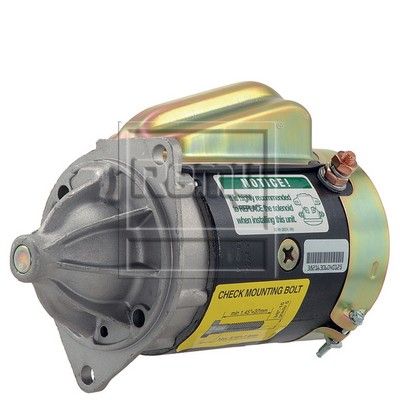
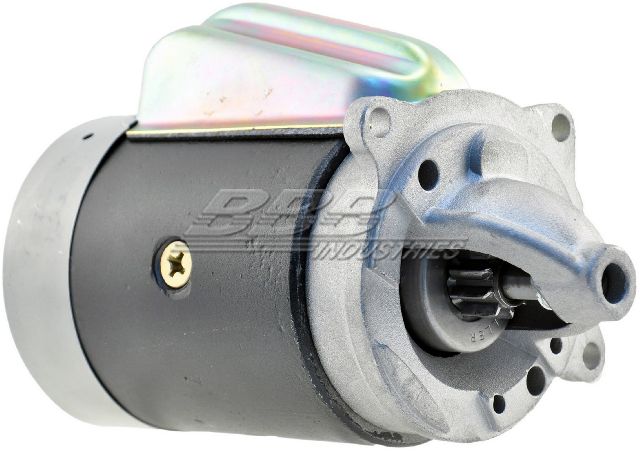
For a 1962-1976 F-250, finding a new starter from Ford (OEM) is nearly impossible. The market is dominated by new and remanufactured aftermarket parts. New aftermarket starters are a popular choice, offering modern manufacturing without the risk of inheriting old, worn-out components from a remanufactured unit.
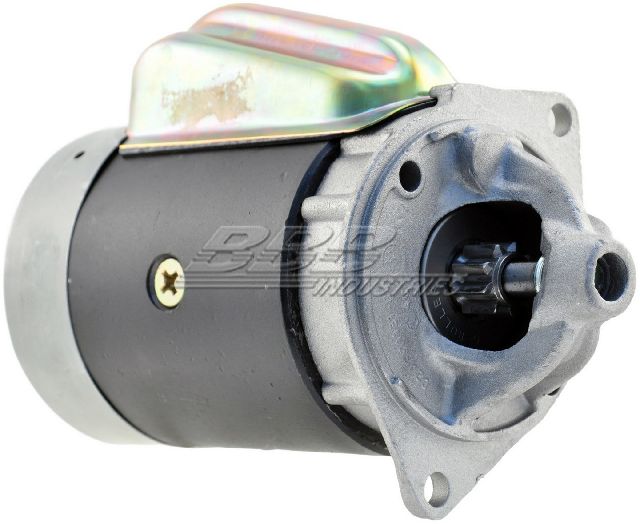
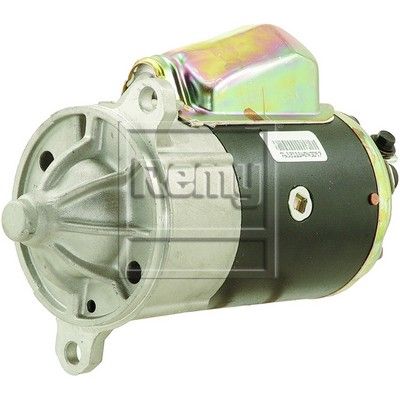
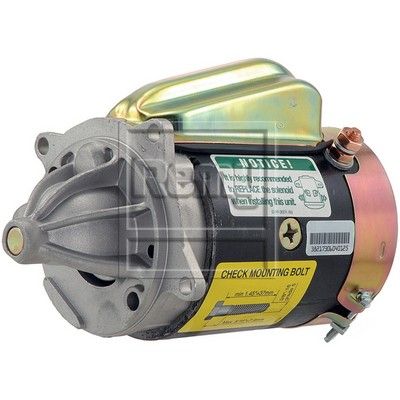
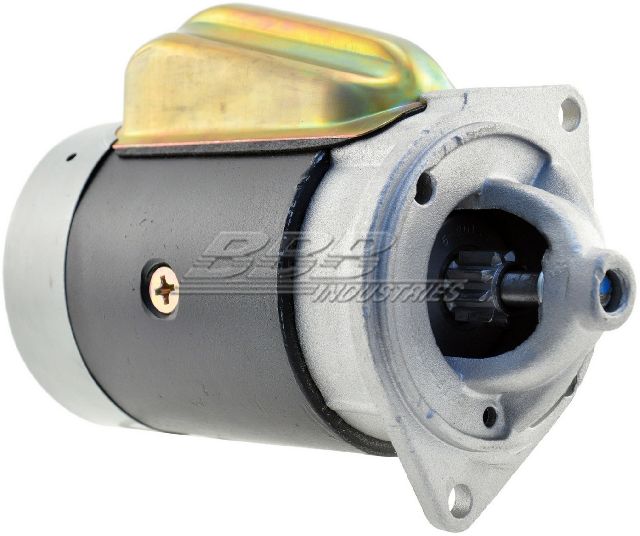
Available Brands: BBB Industries & Remy
Both BBB Industries and Remy are established names in the aftermarket. They supply parts to many major auto parts stores. Customer experiences with both brands are mixed, which is common for aftermarket electrical parts. Some users report years of flawless service, while others experience premature failures. A new starter from either brand is generally considered a reliable choice for a daily driver or project truck, often coming with a warranty for peace of mind. Given the simple, robust design of the original Ford starter, these new aftermarket units are built to meet or exceed original specifications.
Pro Tip: Before replacing your starter, always check the easy stuff first. Ensure your battery is fully charged and the terminals are clean and tight. On these older Fords, a faulty fender-mounted starter solenoid (relay) or a bad neutral safety switch can mimic the symptoms of a bad starter.
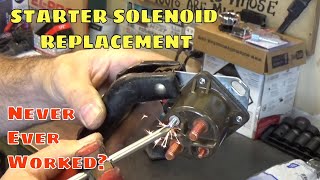
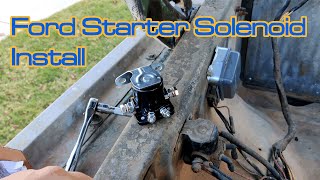
🎬 See how to replace a faulty fender-mounted starter solenoidCost of Replacing Your F-250 Starter
Replacing a starter on one of these classic trucks is a job most owners can do themselves. The part is relatively affordable, and labor is straightforward.
| Item | Estimated Cost |
|---|---|
| New Aftermarket Starter | $118.50 - $156.42 |
| Shop Labor | $100 - $200 |
| DIY Savings | $100 - $200 |
Frequently Asked Questions
Is it hard to replace the starter on a 1962-1976 F-250?
For most models, it's a relatively easy job. It's typically held on by two or three bolts and is accessible from underneath the truck. 🎬 Watch this step-by-step starter replacement on a 76 F-250 However, if you have aftermarket headers, especially on a V8, the job can become much harder, sometimes requiring the header to be loosened or removed to get the starter out.
Do I need a special starter for my engine?
Yes, fitment can vary based on your engine (e.g., 360, 390, 460 V8 or an inline-6) and transmission (manual vs. automatic). Always verify the part is correct for your specific truck configuration before purchasing.
What's the difference between the starter and the solenoid?
On these F-250s, the starter is the motor under the engine, while the starter solenoid (or relay) is typically a small cylinder mounted on the fender in the engine bay. The solenoid acts as a heavy-duty switch. A faulty solenoid can cause a clicking sound or a no-start condition and is a common, inexpensive part to replace.
Are there any recalls for the starter on these trucks?
No, searches of the National Highway Traffic Safety Administration (NHTSA) database did not show any recalls specifically for the starter motor on 1962-1976 Ford F-250 models.
Helpful Videos
Technical Specifications
Voltage: 12V, Tooth Count: 9 (common, but varies by application), Rotation: Clockwise. Fitment is specific to engine and transmission type.
We Have This Part in Stock

The information in this article is provided for general reference and educational purposes only. Vehicle specifications, procedures, and part compatibility can vary by production date, trim level, and region. Always consult your vehicle's factory service manual and verify part numbers before purchasing or performing repairs. Safety-critical components such as airbags, seat belts, and braking systems should be installed by a qualified professional.