

Ford F-350 (1962-1976) Starter Replacement Guide
Everything you need to know about replacing the starter on your classic Ford F-350 truck.
- Before replacing the starter, always check the battery, cables, and fender-mounted solenoid first, as they are common and cheaper failure points.
- If your truck struggles to start when hot, you are experiencing 'heat soak.' The best solution is upgrading to a modern, high-torque gear-reduction starter.
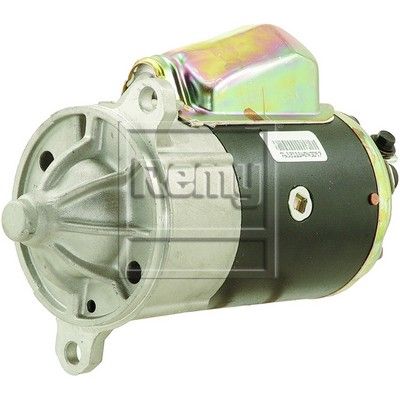
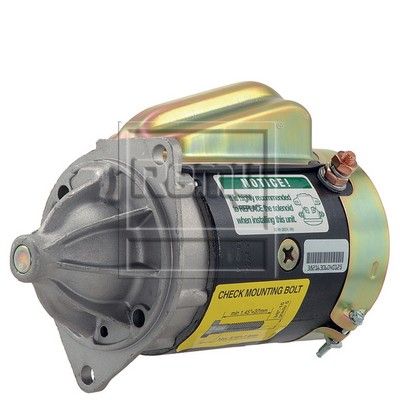
- New aftermarket starters from brands like Remy are often gear-reduction units that provide a significant performance upgrade over the original direct-drive style.
- On these trucks, the starter solenoid is a separate part on the fender, not attached to the starter itself. A clicking sound often points to this inexpensive part.
Signs of a Failing Starter
A starter motor on these classic trucks rarely fails without giving some warning signs. Often, the symptoms can be confused with other electrical issues, so it's important to know what to look for.
- Single, Loud Click: When you turn the key, you hear one loud "click" from under the hood, but the engine doesn't crank. This often points to a bad fender-mounted solenoid but can also be a dead spot in the starter motor.
- Slow, Labored Cranking: The engine turns over very slowly, almost like the battery is dead. If you've confirmed your battery is good, the starter is likely worn out and drawing too much power.
- Grinding Noise: A harsh grinding sound when trying to start the engine is a serious problem. It could mean the starter gear (Bendix) is damaged or not properly aligning with the flywheel. Stop trying to start the truck immediately to avoid costly flywheel damage.
- No Sound at All: You turn the key and get complete silence. Before blaming the starter, check the battery and solenoid. However, a completely failed starter motor is a possibility.
- Heat Soak: The truck starts fine when cold, but after it warms up and you shut it off, it struggles or refuses to crank. This is a very common issue known as "heat soak," where heat from the engine and exhaust increases resistance in the starter motor and wiring.
Check the Basics First!
Before you spend money on a new starter, check the simple things. On a truck of this age, starting problems are frequently caused by a bad fender-mounted solenoid, corroded battery cables, or a poor ground connection. Many owners have replaced a good starter only to find the real issue was a cheap solenoid or a loose wire. Make sure the solenoid's mounting bracket has a clean, rust-free connection to the fender, as this is its ground path.
Choosing the Right Aftermarket Starter
Original Ford starters for this era are no longer available new. Aftermarket starters are the only practical option and often include design improvements.
Direct Drive vs. Gear Reduction Starters
Your original starter was likely a large, heavy, direct-drive unit. Many new aftermarket starters are modern gear-reduction designs.
- Direct Drive: These are simple, large, and heavy. They use a lot of power to turn the engine over.
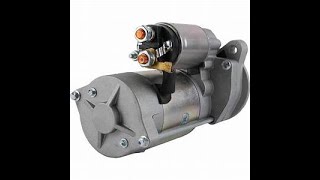
- Gear Reduction (High-Torque): These use a smaller, faster motor with internal gears to multiply torque. They are lighter, more compact, and more efficient, drawing less power from the battery. For trucks with heat soak issues or larger engines, a gear-reduction starter is a significant upgrade.
Brand Quality: BBB Industries vs. Remy
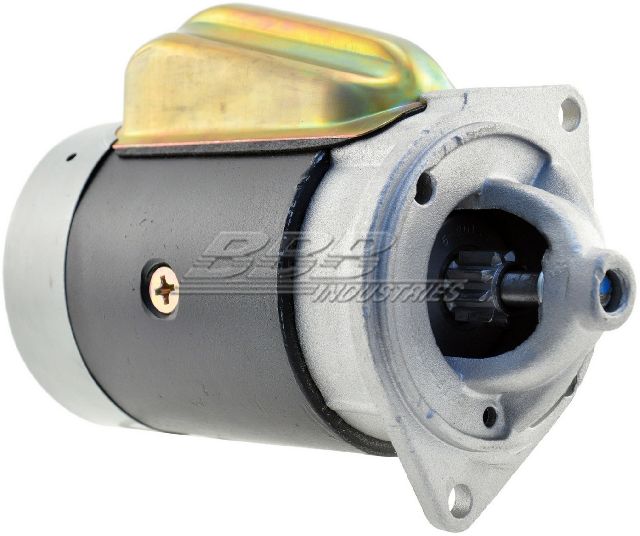
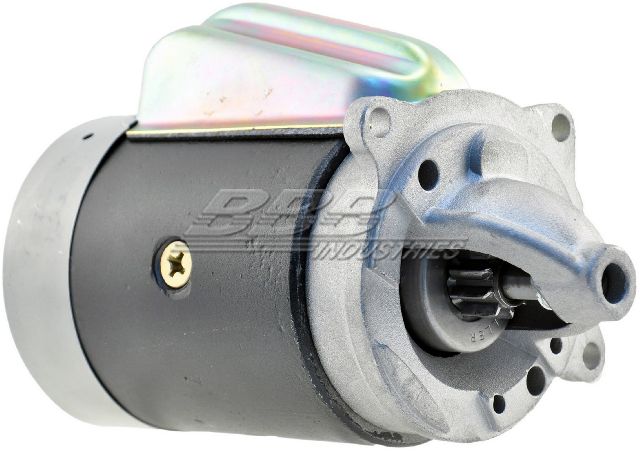
When choosing an aftermarket part, brand reputation matters. Both BBB Industries and Remy are major suppliers of starters and alternators.
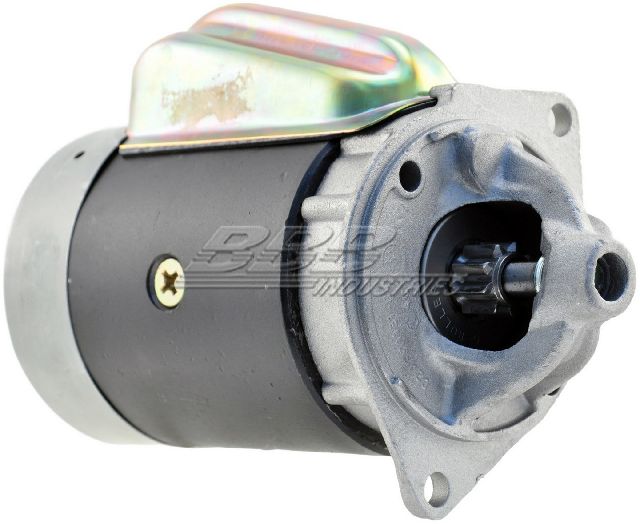
- BBB Industries: A large remanufacturer that supplies parts to major auto parts stores. They emphasize a process of testing and renewing components to meet or exceed original standards. 🎬 Learn more about how BBB Industries manufactures their starters. However, some users in forums report mixed experiences with the quality of remanufactured parts in general.
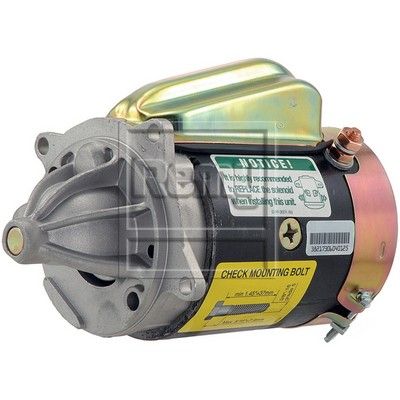
- Remy: Often praised by users for their new starters, which are typically powerful gear-reduction units that provide a faster, stronger crank. Some forum members have had very good success with Remy starters and consider them a go-to brand. However, like any brand, there are occasional reports of premature failure, particularly with remanufactured units.
A Note on Remanufactured Parts
While new aftermarket starters are available, many in the market are "remanufactured." This means a used starter (the "core") has been rebuilt. The quality can vary greatly. Some rebuilds only replace the specific part that failed, while higher-quality rebuilds replace all common wear items. Poor quality remanufactured starters are a common complaint among classic truck owners. Whenever possible, a NEW unit is preferable to a remanufactured one for better reliability.
Cost of a New Aftermarket Starter (1962-1976 Ford F-350)
| Item | Estimated Cost |
|---|---|
| New Aftermarket Starter (BBB Industries, Remy) | $118.50 - $156.42 |
| Shop Labor for Installation | $100 - $200 |
Frequently Asked Questions (FAQ)
Is replacing the starter a good DIY job?
Yes, for most home mechanics, this is a straightforward job. Access from underneath the truck is generally good. The starter is held on by two or three bolts. The main challenges are often dealing with rusted bolts and the weight of the original starter. Always disconnect the battery before you begin.
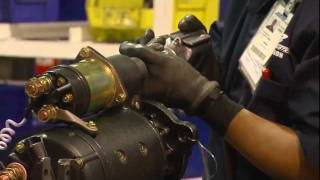
🎬 Watch this step-by-step guide to removing your F-350 starter.What is "heat soak" and how do I fix it?
Heat soak is when the starter gets too hot from the engine's exhaust, causing it to struggle or fail to crank when the engine is warm. The best fix is to replace the old direct-drive starter with a modern, high-torque gear-reduction starter, which is smaller and more efficient. Ensuring you have clean, heavy-gauge battery cables also helps.
Are there any recalls for the starter on my truck?
No. A search of the National Highway Traffic Safety Administration (NHTSA) database shows no recalls specifically for the starter motor on the 1962-1976 Ford F-350. Any recalls for the F-350 are for much newer models and unrelated components.
What's the difference between the starter and the solenoid?
On your F-350, they are two separate parts. The starter is the large motor bolted to the engine. The solenoid (or relay) is a small cylindrical part mounted on the inner fender near the battery. The solenoid acts as a switch for the starter. A clicking sound without the engine cranking often points to a bad solenoid, which is a common and inexpensive part to replace.
Helpful Videos
Technical Specifications
System uses a fender-mounted starter solenoid (relay). Aftermarket options include original-style direct-drive and upgraded gear-reduction designs. Compatibility varies by engine (e.g., 351M/400, 460, FE series) and transmission type.
We Have This Part in Stock

The information in this article is provided for general reference and educational purposes only. Vehicle specifications, procedures, and part compatibility can vary by production date, trim level, and region. Always consult your vehicle's factory service manual and verify part numbers before purchasing or performing repairs. Safety-critical components such as airbags, seat belts, and braking systems should be installed by a qualified professional.
- 🎬 Helpful Videos
- 🛍️ Shop This Part
- Signs of a Failing Starter
- Check the Basics First!
- Choosing the Right Aftermarket Starter
- Direct Drive vs. Gear Reduction Starters
- Brand Quality: BBB Industries vs. Remy
- A Note on Remanufactured Parts
- Cost of a New Aftermarket Starter (1962-1976 Ford F-350)
- Frequently Asked Questions (FAQ)
- 🎟️ Get 5% Off