

MG MGB Drivetrain Universal Joint: A Replacement Guide (1962-1981)
Address the common clunks and vibrations from your MGB's driveline by understanding and replacing your universal joints.
- A 'clunk' on acceleration or a vibration at speed are classic signs of a failing U-joint that require immediate inspection.
- Do not continue driving with a bad U-joint; a complete failure can cause the driveshaft to fall, leading to loss of control.
- For best results, choose a premium brand like GKN/Hardy Spicer (the original style) or Dana Spicer.
- Replacement is a manageable DIY task for MGB owners with basic tools and a bench vise.
Signs of a Failing Universal Joint
A worn U-joint is not something to ignore. When new, the joint has absolutely no free play. Once wear begins, it can lead to a rapid failure that can be dangerous. If you notice any of these symptoms, inspect your U-joints immediately.
🎬 Watch: A mechanic diagnoses common MGB driveshaft and U-joint issues.- Clunking Noise: The most common symptom is a distinct 'clunk' or 'ping' sound when you shift from drive to reverse, or when you get on or off the gas. This is the sound of the slop in the worn joint being taken up as the driveshaft changes direction or load.
- Vibration at Speed: A vibration that you can feel through the car, especially at highway speeds, is a major red flag. A bad front U-joint near the transmission may cause the gear shift lever to vibrate in your hand. A bad rear U-joint tends to create a vibration you feel through the seat and chassis.
- Visible Looseness: During routine maintenance, you should try to move the driveshaft by hand (with the transmission in neutral and wheels chocked). If you can feel any rotational play or backlash in the U-joint itself, it is worn and needs immediate replacement.
Do Not Delay Replacement
Once a U-joint develops noticeable free play, it can self-destruct in as little as a few hundred miles of driving. A complete failure will cause the driveshaft to detach, which can lead to a loss of vehicle control or severe damage to the underside of your car.
Choosing the Right Aftermarket U-Joint
For a classic car like the MG MGB, the distinction between OEM and aftermarket can be blurry. The original supplier, Hardy Spicer, is now part of GKN, and their parts are still considered a top-quality choice. Here’s a breakdown of available brands.
Brand Quality Tiers
- Premium (OEM Quality)
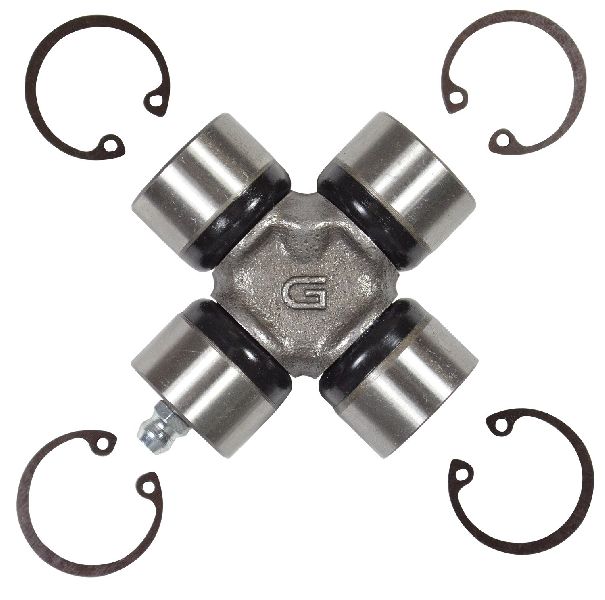
- Dana Spicer / GKN (Hardy Spicer): GKN/Hardy Spicer was the original equipment manufacturer for many British cars of this era. Dana Spicer is a highly respected brand known for making durable, long-lasting U-joints for many vehicle manufacturers. For reliability and peace of mind, these are excellent choices.
- Quality Aftermarket
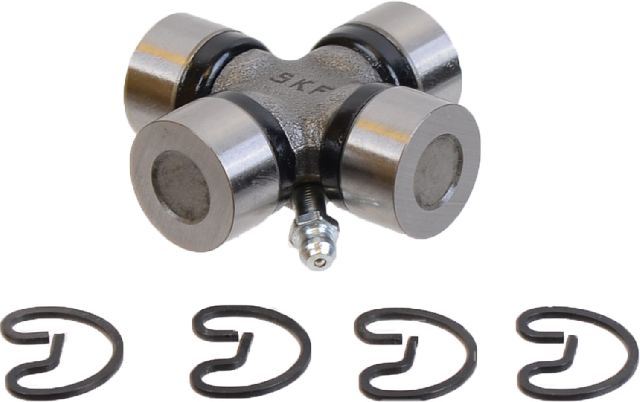
- SKF: SKF is a well-known bearing manufacturer with a reputation for producing quality parts. They are generally considered a reliable and solid choice for a replacement U-joint.
- Economy / Standard
- Moog: Moog's quality can be inconsistent. While they offer some heavy-duty product lines that get good reviews, many forum users have reported a decline in the quality of their standard parts. It's often considered a hit-or-miss option.
- GMB: GMB is a widely available brand that typically falls into the standard replacement or economy category. It will get the job done but may not offer the same longevity as premium brands.
Greaseable vs. Sealed U-Joints
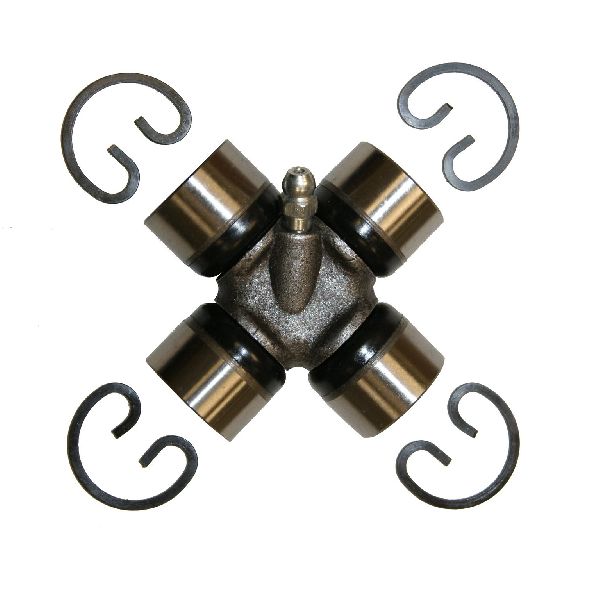
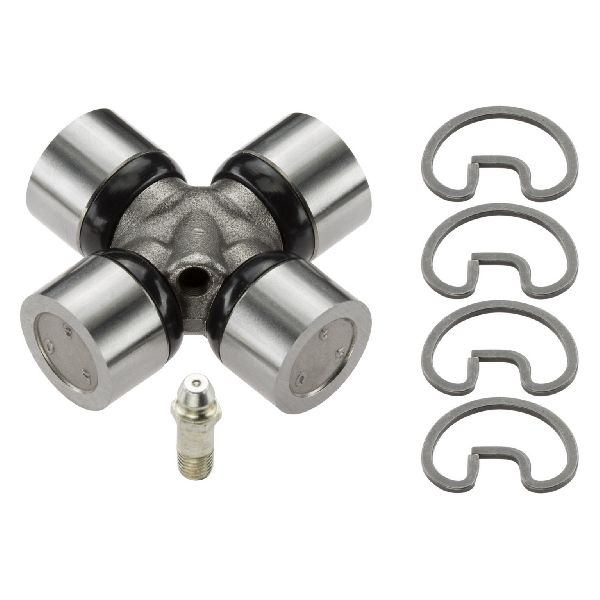
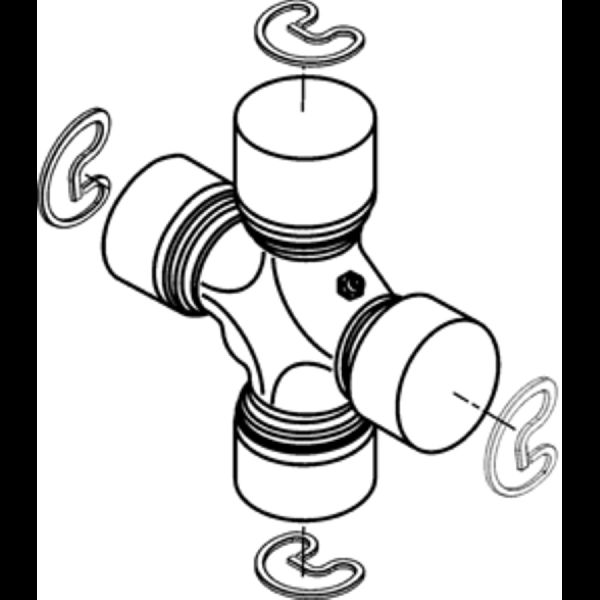
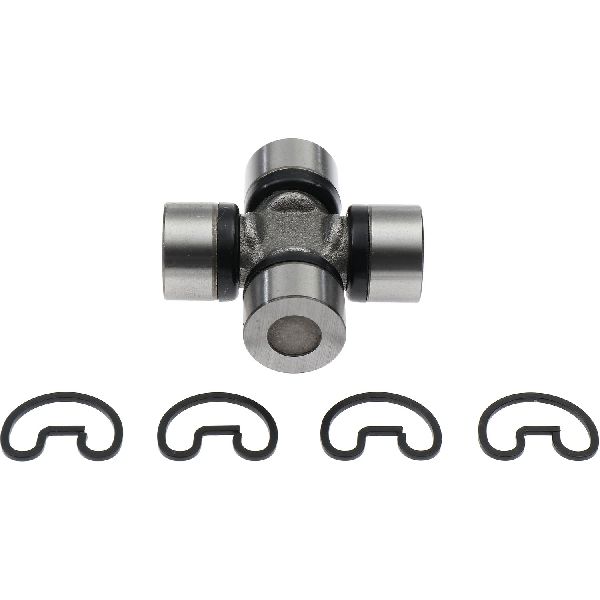
You will find both greaseable (with a zerk fitting) and non-greaseable (sealed) U-joints for your MGB. Sealed joints are often preferred because they have better seals from the factory and were the original design on many cars. Greaseable joints allow you to flush out old grease, which can extend the life of the part if done regularly. For a classic that sees limited mileage, either type will work well, but a greaseable joint (like part number GUJ115) offers the ability for periodic service.
Typical Replacement Costs
The cost to replace an MG MGB U-joint is relatively low. The parts are affordable, and if you have it done at a shop, the labor is not extensive.
| Item | Estimated Cost |
|---|---|
| Aftermarket U-Joint Part | $17 - $56 |
| Shop Labor | $120 - $240 |
| Total Estimated Cost | $137 - $296 (per joint) |
Frequently Asked Questions (FAQ)
How many U-joints does my MG MGB have?
Your MG MGB has two universal joints on its driveshaft. One is located at the front where the driveshaft connects to the transmission, and the other is at the rear where it connects to the differential.
Can I replace an MGB U-joint myself?
Yes, this is a very common DIY job for MGB owners. The process requires basic hand tools, a sturdy vise, a hammer, and sockets of the correct size to press the old joint out and the new one in. There are many video guides online showing the process specifically for MGs.
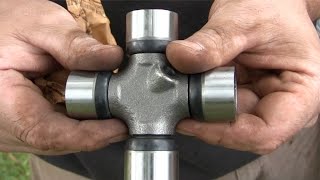
🎬 Watch: The easy way to press out and replace U-joints.What are the most common mistakes when replacing a U-joint?
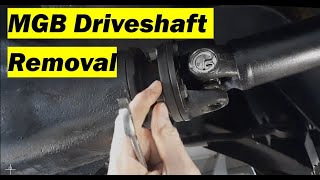
The biggest mistake is allowing the small needle bearings inside the caps to fall out of place during installation. It is crucial to press the caps in squarely and smoothly. Also, make sure to reinstall the driveshaft in the same orientation you removed it; mark the flanges before disassembly 🎬 See this guide on removing and reinstalling your MGB driveshaft. to ensure proper balance.
Are there any recalls on MG MGB universal joints?
No, there are no official NHTSA recalls or Technical Service Bulletins (TSBs) for universal joints on the 1962-1981 MG MGB. Recalls are generally not issued for vehicles of this age.
Helpful Videos
Technical Specifications
OEM Part Numbers: GUJ101 GUJ115
The MG MGB uses two universal joints on the main propshaft (driveshaft). Common aftermarket part numbers reference both non-greaseable (GUJ101) and greaseable (GUJ115) versions.
We Have This Part in Stock

The information in this article is provided for general reference and educational purposes only. Vehicle specifications, procedures, and part compatibility can vary by production date, trim level, and region. Always consult your vehicle's factory service manual and verify part numbers before purchasing or performing repairs. Safety-critical components such as airbags, seat belts, and braking systems should be installed by a qualified professional.