

Engine Coolant Bypass Hose Guide for the 1963-1964 Dodge 440
Keep your classic Mopar V8 running cool by understanding this critical, small hose.
- The Engine Coolant Bypass Hose is a critical part for preventing hot spots and ensuring even engine warm-up on V8 models of the 1963-64 Dodge 440.
- Symptoms of failure include coolant leaks, overheating, a sweet smell from the engine, and visible hose damage like cracks or swelling.
- Aftermarket molded hoses from brands like Gates or Dayco are reliable replacements; ensure you buy the correct part for your specific engine (e.g., 318, 383).
- Do not drive if you suspect a leak, as a sudden hose failure can cause rapid overheating and catastrophic engine damage.
Is your 1963-1964 Dodge 440 Overheating? Check This Hose.
The Engine Coolant Bypass Hose is a short, often overlooked rubber hose that connects the water pump to the intake manifold on many classic Dodge V8 engines. Its job is to let coolant keep moving inside the engine while it warms up. Because it's always handling hot coolant, this hose can wear out, crack, or leak over time, leading to serious engine problems. A failure here can cause anything from a slow, hard-to-find leak to a sudden burst that can make your engine overheat quickly.
Symptoms of a Failing Coolant Bypass Hose
Catching a bad bypass hose early can save you from a major headache and expensive engine repairs. Look out for these common signs:
- Coolant Leaks: You might see puddles of green or yellow fluid under your car, or notice a crusty residue around the hose connections at the water pump and intake manifold. Even a small leak can lead to low coolant levels over time.
- Sweet Smell: If you smell something sweet coming from the engine bay, it's likely burning coolant from a leak. A small leak might evaporate on the hot engine before it drips to the ground, making the smell the first clue.
- Engine Overheating: If your temperature gauge is climbing higher than normal, a leaking or blocked bypass hose could be the cause. A lack of proper coolant circulation can quickly lead to an overheating engine.
- Visible Hose Damage: Check the hose for cracks, splits, or soft, spongy spots. A hose that looks swollen or feels mushy to the touch is failing internally and could burst at any moment.
A Note on Engine Confusion
It's a common point of confusion, but the 1963-1964 Dodge 440 is the car model, not the engine size. The famous 440 V8 engine wasn't introduced until later. Your car most likely has a Slant-6 or a V8 like the 318, 361, 383, or even the 426. This bypass hose is typically used on the V8 engine options. Always confirm your engine size before ordering parts.
Choosing the Right Aftermarket Bypass Hose: Dayco vs. Gates
For a classic car like the '63-'64 Dodge 440, finding original OEM parts is nearly impossible. The good news is that reputable aftermarket brands offer quality replacements. The two main brands you'll find are Dayco and Gates.
- Dayco: Often described as being slightly thicker, some mechanics feel Dayco hoses provide a good fit.
- Gates: Generally considered a top-tier brand, many trust Gates for its quality and accurate cataloging, which helps ensure you get the right part. Some users have found Gates hoses to be a better fit and more substantial than other brands.
Pro Tip: For this simple part, both Dayco and Gates are reliable choices. The most important factor is getting a molded hose specifically for your engine, not a universal one. Fitment is key, as a poorly shaped hose can kink or fail to seal properly. Also, always replace the hose clamps when you replace the hose.
Typical Costs for Replacement
Replacing the engine coolant bypass hose is an affordable repair, especially if you do it yourself.
| Part/Service | Estimated Cost |
|---|---|
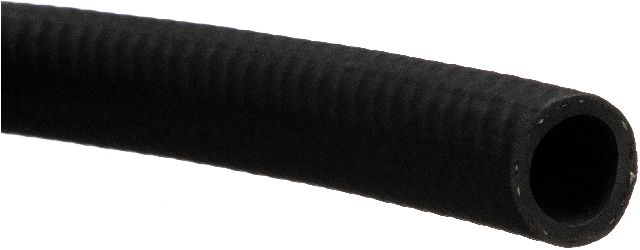
| New Aftermarket Hose (Dayco, Gates) | $16.58 - $81.22 |
| Shop Labor | $75 - $150 |
| Total Estimated Cost | $91.58 - $231.22 |
Frequently Asked Questions
Can I still drive with a leaking bypass hose?
It is not recommended. A small leak can quickly turn into a major failure, causing your engine to lose coolant rapidly and overheat, which can lead to severe engine damage. It's best to get it fixed as soon as possible.
How hard is it to replace the bypass hose myself?
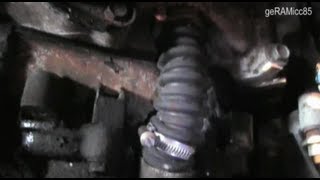
For a mechanically inclined owner, this is a very feasible DIY job. It typically involves draining some coolant, removing the old clamps and hose, and installing the new ones. Access can sometimes be tight, requiring the removal of other components like the alternator or A/C compressor bracket 🎬 Watch this step-by-step guide on removing components to access the hose. on some engines. The difficulty is low, and it might take about an hour.
Why is my new bypass hose still leaking?
If a new hose still leaks, check the metal nipples on the water pump and intake manifold. They can become corroded or pitted over time, preventing a good seal. Sometimes the surface needs to be cleaned thoroughly. In other cases, the nipple itself may need to be replaced. Also, ensure you are using new, high-quality hose clamps and that they are positioned correctly on the hose, not over the raised lip of the nipple.
Are there any recalls for this issue on my Dodge 440?
Searches of the National Highway Traffic Safety Administration (NHTSA) database show no recalls specifically for the engine coolant bypass hose on the 1963-1964 Dodge 440. Recalls for vehicles this old are very rare.
Helpful Videos
Technical Specifications
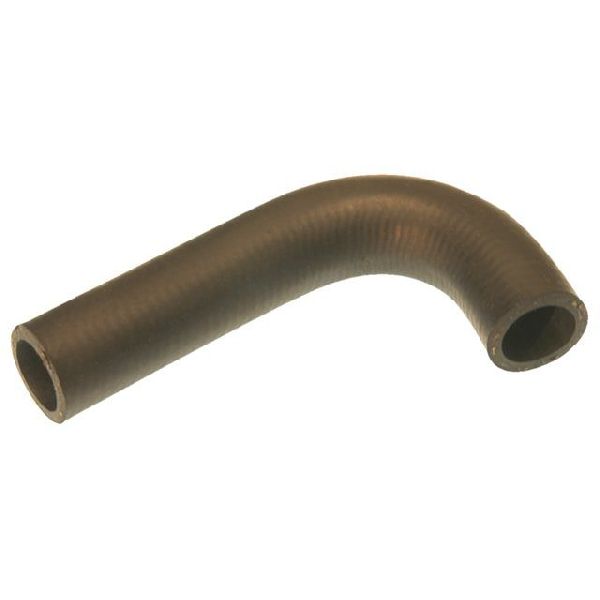
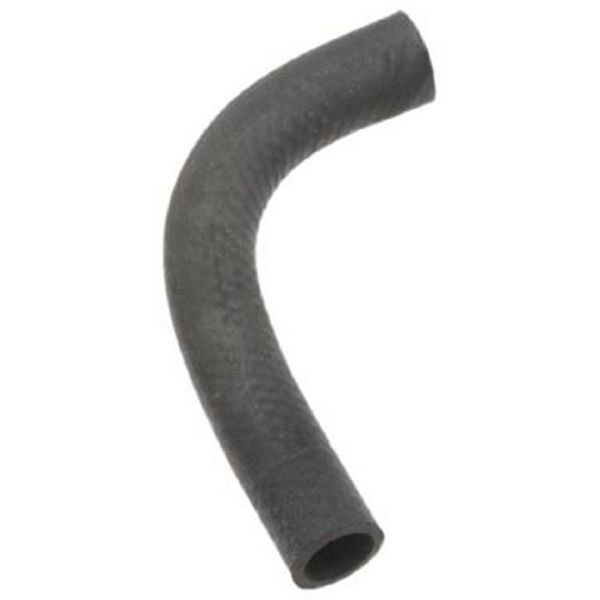
The bypass hose for the common 5.2L V8 engine typically has an inside diameter of around 13/16 inch (20mm) on both ends and a molded shape to connect the water pump and intake manifold. Always verify the part number for your specific engine, as sizes can vary.
We Have This Part in Stock

The information in this article is provided for general reference and educational purposes only. Vehicle specifications, procedures, and part compatibility can vary by production date, trim level, and region. Always consult your vehicle's factory service manual and verify part numbers before purchasing or performing repairs. Safety-critical components such as airbags, seat belts, and braking systems should be installed by a qualified professional.