

A Corvette Owner's Guide to Universal Joints for 1963-1967 Models
Don't let driveline vibrations and clunks ruin your ride; understand what your C2 Corvette needs.
- Your Corvette has six U-joints; four on the half-shafts are critical for the rear suspension.
- Symptoms progress from squeaks to clunks and vibrations; do not ignore them as total failure is dangerous.
- For maximum strength and durability, choose a premium non-greaseable (solid) U-joint from a brand like Dana Spicer or Moog.
- Replacement is an intermediate-level job that requires a press or special tools to avoid damaging components.
Is Your Corvette's U-Joint Failing?

A failing U-joint on a C2 Corvette isn't just noisy; it's a serious safety issue. Because they are constantly moving and under load, they wear out over time. A slight squeak can quickly turn into a loud bang and a loss of control if a joint breaks. Listen carefully for any new noises or feelings when you drive.
Warning Signs of a Bad U-Joint
- Clicking or Squeaking: A rhythmic clicking or squeaking noise that changes with speed can be a sign of a dry or worn U-joint. This is often the first symptom.
- Clunking Noise: A loud "clunk" or "bang" when you shift from drive to reverse or accelerate hard points to excessive play in a worn U-joint.
- Vibrations: A vibration that you can feel throughout the car, especially at highway speeds, can be caused by a worn U-joint creating an imbalance in the driveshaft or half-shafts.
- Visible Looseness: If you can safely get under the car, try to twist the driveshaft and half-shafts by hand. Any noticeable play or movement in the joints indicates they are worn and need replacement.
Choosing the Right Aftermarket U-Joint

For a classic like the 1963-1967 Corvette, choosing a quality replacement U-joint is essential for safety and performance. The original U-joints were typically made by Spicer and were non-greaseable (solid-body) for maximum strength. When shopping for aftermarket parts, you'll find a range of options that can be grouped into tiers.
Brand Quality Tiers
Premium (For Performance and Longevity):
- Dana Spicer: Widely considered the gold standard by Corvette owners and professional mechanics. Their solid, non-greaseable U-joints (often called "solids") are preferred for high-torque applications and for originality, as they are stronger than greaseable versions.
- Moog: A highly respected aftermarket brand known for quality. They offer both greaseable and non-greaseable heavy-duty options that are considered very durable.
Standard (Reliable for Daily Driving):
- ACDelco: As GM's official parts brand, ACDelco offers reliable, OE-spec replacements. Some ACDelco parts may even be sourced from manufacturers like Spicer or Moog.
- SKF: A well-known bearing and component manufacturer that produces quality replacement U-joints.
Economy (Budget-Friendly):
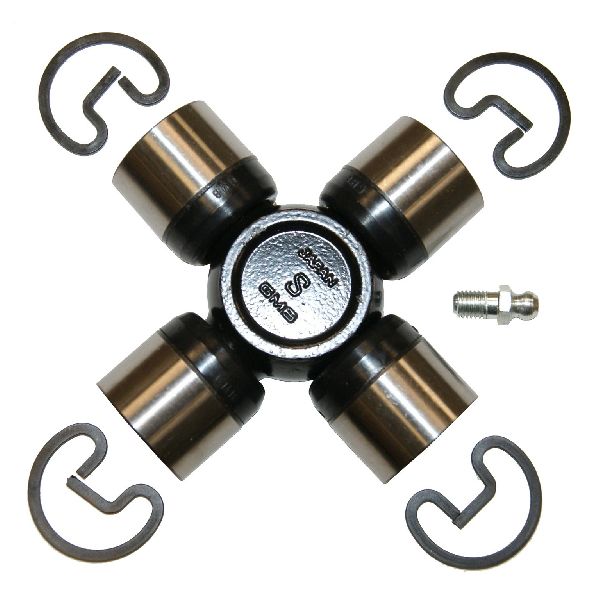
- GMB & Other Store Brands: These brands offer a more affordable option. While functional, they may not offer the same long-term durability or strength as premium brands, which is a critical consideration for a Corvette's driveline.
Pro Tip: Greaseable vs. Non-Greaseable
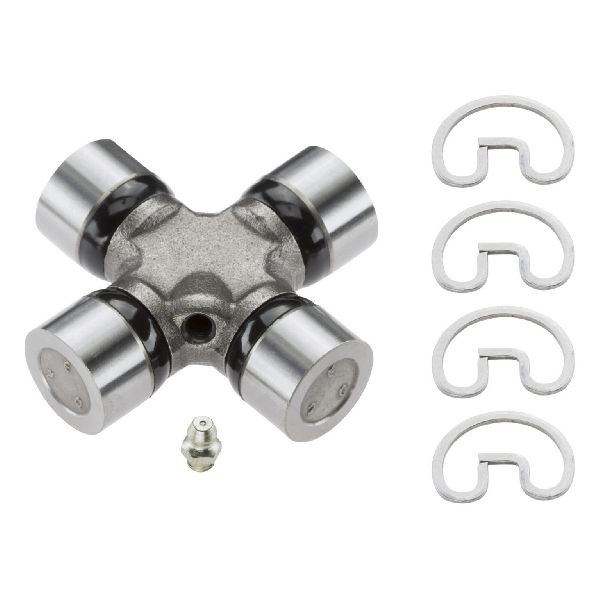
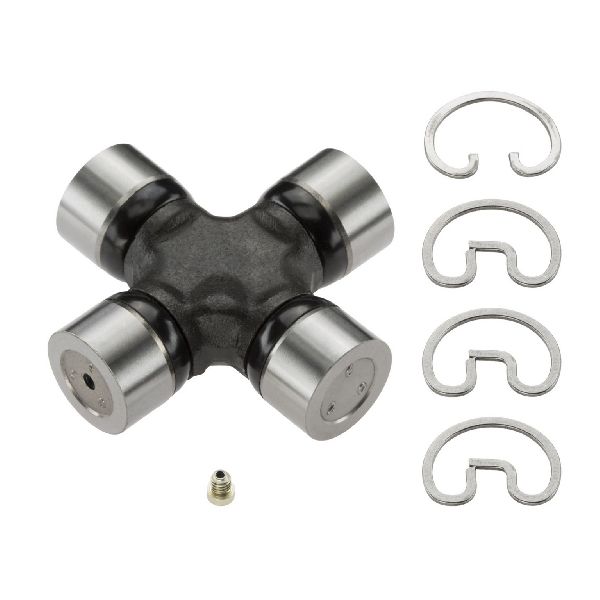
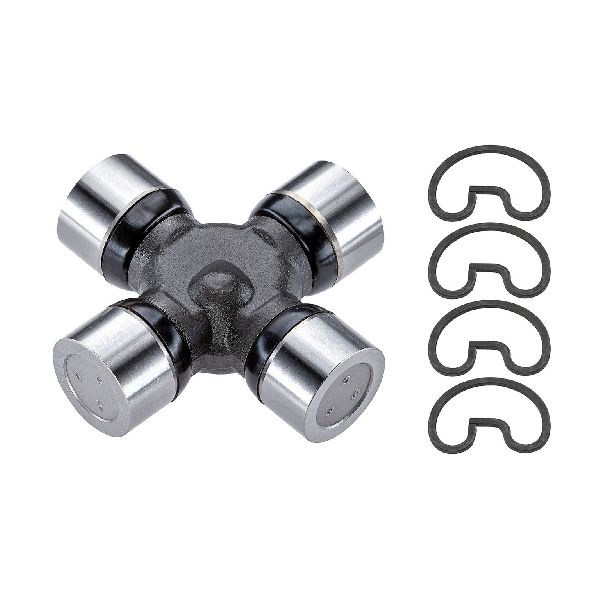
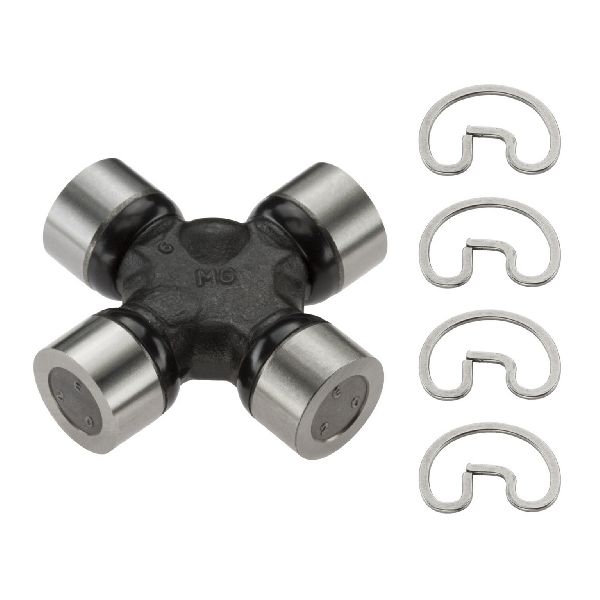
Non-greaseable (solid) U-joints are stronger because their internal cross is solid metal, not drilled out for grease channels. This makes them the preferred choice for performance and durability, especially on the high-stress half-shafts. Greaseable joints can last a long time if maintained regularly, but many owners prefer the strength and maintenance-free nature of the solid joints.
How Much Does a New U-Joint Cost?

The cost depends on the brand you choose and whether you do the work yourself. Your Corvette has a total of six U-joints: two on the driveshaft and four on the half-shafts. It's often recommended to replace them all at once.
| Part Category | Estimated Price Range |
|---|---|
| New Aftermarket U-Joint (Single) | $18.53 - $237.75 |
| Shop Labor (Per Shaft, 2 U-Joints) | $150 - $300 |
Note: Prices are estimates and can vary based on location, brand, and the specific shop. The aftermarket price range reflects the inventory available.
Frequently Asked Questions

How many U-joints does my 1963-1967 Corvette have?
Your Corvette has a total of six universal joints. There are two on the main driveshaft and two on each of the two rear half-shafts (four total for the half-shafts).
Should I replace just the bad U-joint or all of them?
It is highly recommended to replace U-joints in sets. If you're replacing one on a half-shaft, do the other one on the same shaft. Ideally, if one has failed due to age and wear, the others are likely not far behind. Many owners choose to replace all six at the same time for peace of mind.
Is replacing a U-joint a DIY job?
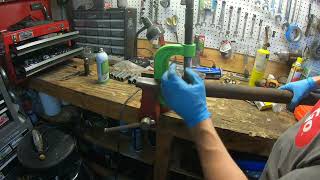
This is an intermediate-level job. While removing the shafts from the car is straightforward, pressing the old U-joints out and pressing new ones in requires special tools like a bench vise with appropriate sockets, a C-clamp press tool, or a hydraulic press. Doing it incorrectly can damage the yokes on the shafts, especially the outboard flange on the half-shafts.
Are there any recalls for C2 Corvette U-joints?
No, searches of the National Highway Traffic Safety Administration (NHTSA) database show no recalls or technical service bulletins (TSBs) specifically for universal joints on 1963-1967 Chevrolet Corvettes. Any issues are related to normal wear and tear on an aging vehicle.
Helpful Videos
Technical Specifications
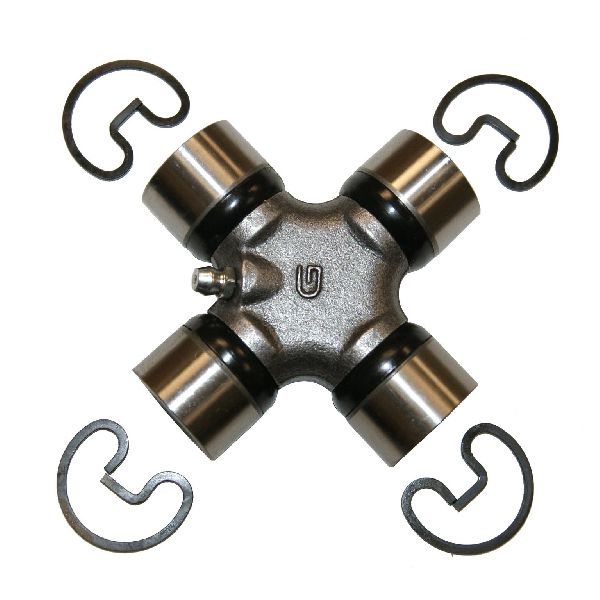
C2 Corvettes use U-joints with an outside snap ring design. The half-shafts typically use a 1350 series U-joint with a cap diameter of 1.188 inches (1 3/16"). The driveshaft may use a different size, so it is crucial to verify the correct part for each position. Always measure your existing parts or consult a reliable parts catalog before ordering.
We Have This Part in Stock

The information in this article is provided for general reference and educational purposes only. Vehicle specifications, procedures, and part compatibility can vary by production date, trim level, and region. Always consult your vehicle's factory service manual and verify part numbers before purchasing or performing repairs. Safety-critical components such as airbags, seat belts, and braking systems should be installed by a qualified professional.