

1963-1967 Jeep Gladiator Radiator Coolant Hose Replacement Guide
Keep your classic Gladiator's engine from overheating with the right new radiator hoses.
- For a 1963-1967 Gladiator, new aftermarket molded hoses from a quality brand like Gates are the best and only practical option.
- Always inspect hoses for cracks, bulges, or a spongy feel to prevent a sudden failure and engine overheating.
- When replacing one hose, it's best to replace them all, including the hose clamps, to ensure a reliable, leak-free cooling system.
- Never use a universal 'flex' hose; use a pre-molded hose to ensure correct fit and prevent kinking.
Is Your Gladiator's Radiator Hose Failing?
For a classic truck like the 1963-1967 Gladiator, radiator hoses are a common part to fail simply due to age. Rubber breaks down over decades. A bad hose can burst, causing the engine to overheat quickly. This can leave you stranded and lead to serious engine damage. Regular checks are the best way to prevent this.
Key Failure Signs
- Coolant Leaks: The most obvious sign is a puddle of green or yellow, sweet-smelling liquid under the front of your truck. Leaks often start where the hose connects to the radiator or engine.
- Visible Damage: Look for cracks, splits, or bulges on the hoses. A swollen or bulging hose means its internal structure has failed and it could burst at any moment.
- Spongy or Hard Texture: When the engine is cold, squeeze the hoses. They should feel firm but flexible. If a hose feels mushy, spongy, or rock-hard, it is breaking down internally and needs to be replaced.
- Collapsed Hose: The lower radiator hose, which is under suction, can sometimes be sucked flat if it's old and soft. This blocks coolant flow and will cause overheating.
OEM vs. Aftermarket Hoses
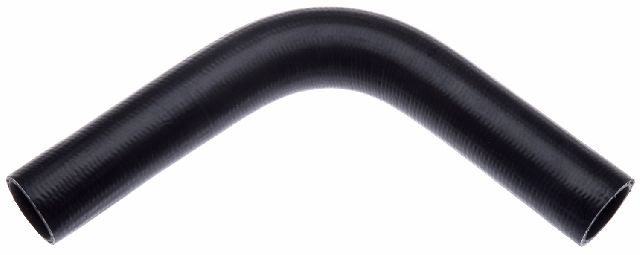
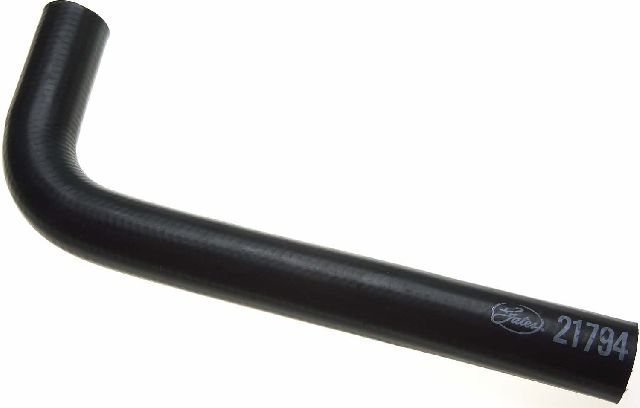
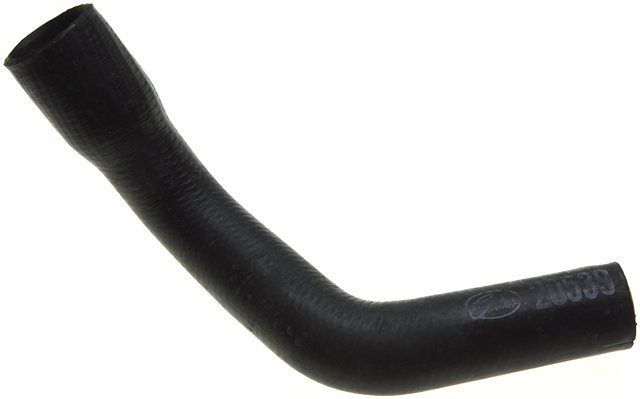
For a 1963-1967 Gladiator, finding a new old stock (NOS) OEM radiator hose is nearly impossible. Even if you found one, the rubber would likely be degraded from decades of storage. New aftermarket hoses are the best and only practical choice. Brands like Gates make high-quality molded hoses that are engineered to resist heat and chemical breakdown. Always choose a molded hose made for your specific engine, not a universal flexible hose. Molded hoses have the correct pre-formed bends to ensure proper coolant flow without kinking.
Cost to Replace Radiator Hoses (1963-1967 Jeep Gladiator)
| Part Category | Estimated Cost |
|---|---|
| New Aftermarket Hoses (Gates) | $22.45 - $50.84 |
| Shop Labor | $100 - $200 |
| Total Estimated Cost | $122 - $251 |
Cost estimates are for parts and labor and may vary by location and vehicle condition.
Frequently Asked Questions
Should I replace upper and lower hoses at the same time?
Yes. If one hose has failed due to age, the other is likely not far behind. It is best practice to replace all radiator hoses (upper, lower, and bypass) at the same time to ensure the reliability of your cooling system.
Should I replace the hose clamps too?
Yes, it is highly recommended to replace the hose clamps whenever you install new hoses. Old clamps can lose their tension over time and may not provide a proper seal, leading to leaks even with a new hose. Many mechanics prefer modern spring-style clamps because they maintain constant tension as the rubber expands and contracts with temperature changes.
Can I use a universal flexible hose?
It is strongly recommended to use a pre-shaped, molded hose instead of a universal one. Molded hoses are designed with the specific bends needed for your Gladiator's engine bay, which prevents them from kinking and restricting coolant flow. Universal hoses may not fit correctly and can collapse under suction.
What kind of coolant should I use in my classic Gladiator?
For most classic vehicles from this era, a traditional green, ethylene glycol-based coolant is appropriate. It's important to flush the system completely before adding new coolant to avoid mixing different types. Always consult a service manual for your specific vehicle if you are unsure.
Technical Specifications
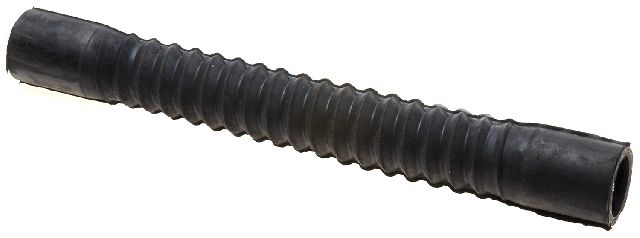
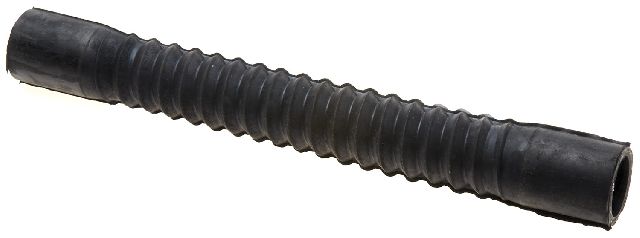
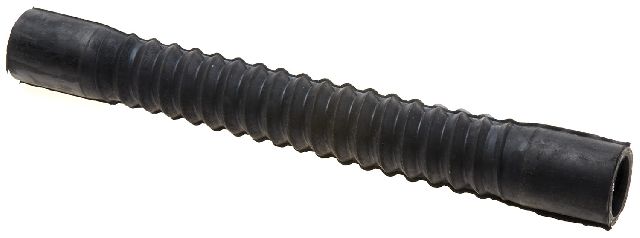
Hoses for this vehicle are typically made of EPDM rubber to resist heat and chemical degradation. Molded hoses are required for proper fitment. Some aftermarket hoses may be marked as 'Cut to fit,' requiring you to trim them to the length of the original hose.
We Have This Part in Stock

The information in this article is provided for general reference and educational purposes only. Vehicle specifications, procedures, and part compatibility can vary by production date, trim level, and region. Always consult your vehicle's factory service manual and verify part numbers before purchasing or performing repairs. Safety-critical components such as airbags, seat belts, and braking systems should be installed by a qualified professional.