

Accessory Drive Belt Guide for the 1963-1967 MG MGB
Keep your classic MGB running cool and charging properly with the right fan belt.
- Inspect the fan belt for cracks and proper tension at every oil change.
- A squealing noise is your first warning sign; do not ignore it.
- Replace the belt every 4-5 years as preventative maintenance, regardless of its appearance.
- If you have a non-original alternator, measure your old belt to confirm the correct length before ordering a new one.
Symptoms of a Bad Accessory Drive Belt
A failing fan belt on your MGB will usually give you clear warning signs. Ignoring them can leave you stranded. Look out for these symptoms:
- High-Pitched Squealing: This is the most common sign of a problem. The noise is often worse when you first start the engine or when it's cold and damp. It's caused by the belt slipping on the pulleys because it's loose or the rubber is old and hardened.
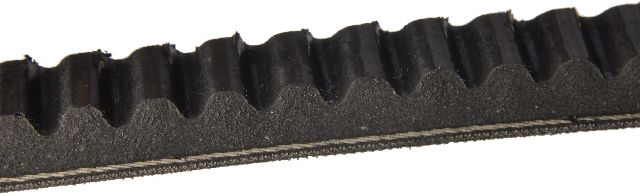
- Visible Wear and Tear: Pop the bonnet and look at the belt. If you see cracks, splits, frayed edges, or sections of the belt missing, it needs to be replaced immediately. A shiny, glazed appearance on the sides of the belt also indicates it's worn out and slipping.
- Engine Overheating: If the belt breaks or is slipping badly, it can't turn the water pump effectively. This will cause your engine's temperature to rise quickly, potentially leading to serious damage.
- Battery Warning Light: The red ignition light on your dashboard staying on after the car is started can mean the generator isn't spinning. This is a direct result of a broken or slipping belt.
Choosing the Right Aftermarket Belt
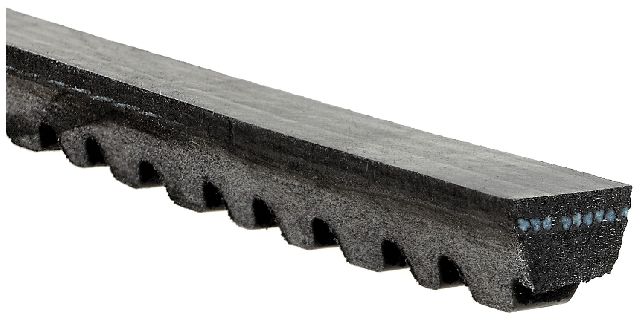
For a 1963-1967 MGB, you won't find a "new OEM" belt from MG. The original parts are long gone. Instead, you'll be buying a modern aftermarket belt, which is often better than the original 1960s technology. The key is to choose a quality brand. All three of the major brands available—Gates, Dayco, and Continental—are reputable, Tier 1 suppliers to car manufacturers.
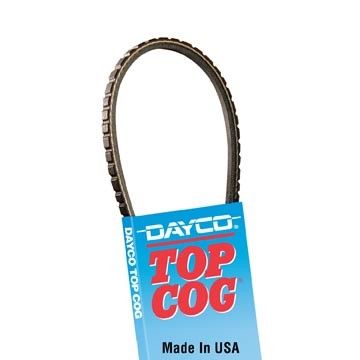
- Good: Dayco is a major manufacturer that produces reliable EPDM rubber belts that meet or exceed original specifications. They offer a solid, dependable replacement for any MGB owner.
- Better: Continental (sometimes branded as ContiTech) is another excellent OEM supplier. They are known for quiet operation and durability.
- Best: Gates is often considered the top choice by many mechanics and enthusiasts. They have a strong reputation for quality and durability, making them a premium option for peace of mind.
Pro Tip: For a stock MGB, a standard belt from any of these three brands will perform very well. The small price difference between them is minimal compared to the importance of the part.
Aftermarket Cost
| Quality Tier | Price Range |
|---|---|
| Good (Dayco) | $16.53 - $22.00 |
| Better (Continental) | $18.00 - $25.00 |
| Best (Gates) | $20.00 - $32.39 |
Frequently Asked Questions
How often should I replace my MGB's fan belt?
Even if it looks fine, it's good practice to replace the belt every 4 to 5 years. The rubber degrades over time, not just with mileage. Given the low cost, it's cheap insurance against being stranded.
Is the fan belt the same as a timing belt?
No, they are very different. The fan belt (accessory belt) is visible at the front of the engine and runs the water pump and generator. Your MGB engine uses a timing chain, not a timing belt, which is located inside the engine and synchronizes the engine's internal parts. A failing fan belt will not destroy your engine, but a failing timing chain can.
How tight should the fan belt be?
Proper tension is critical. A loose belt will slip and squeal, while a belt that is too tight can destroy the bearings in your water pump and generator. A good rule of thumb is to press down on the belt at its longest point between pulleys. You should be able to deflect it about half an inch with firm finger pressure.
What if my new belt seems too short?
Over the decades, your MGB might have had its original generator replaced with a different alternator. Some replacement alternators use slightly different pulley sizes or have different adjustment ranges. If the standard belt (around 35.5-36 inches) doesn't fit, use a piece of string to measure the path around the pulleys and take that measurement to the parts store to find the correct length.
Technical Specifications
OEM Part Numbers: GCB10900
<ul><li><strong>Type:</strong> V-Belt</li><li><strong>Common Length:</strong> 35.5 in to 36.0 in (approx. 900mm)</li><li><strong>Common Top Width:</strong> ~0.41 in to 0.44 in (approx. 10mm)</li><li><strong>Common Aftermarket Part Numbers:</strong> Gates 7355, Dayco 95464DM</li></ul>
We Have This Part in Stock

The information in this article is provided for general reference and educational purposes only. Vehicle specifications, procedures, and part compatibility can vary by production date, trim level, and region. Always consult your vehicle's factory service manual and verify part numbers before purchasing or performing repairs. Safety-critical components such as airbags, seat belts, and braking systems should be installed by a qualified professional.