

Ignition Coil Guide for the 1963-1968 Volkswagen Transporter
Keep your classic air-cooled engine running strong by understanding how to choose the right ignition coil.
- A stalling engine after it warms up is the most common symptom of a failing coil in these vehicles.
- Always verify if your Transporter has a 12-volt or a converted 12-volt system before buying a new coil.
- Replacement is a very simple DIY task that requires basic hand tools and less than an hour.
- For long-term reliability, choose a quality aftermarket brand like NGK or Standard Ignition.
Is Your Ignition Coil Failing?
A bad ignition coil in an air-cooled VW Transporter often shows clear signs. One of the most common symptoms is the engine stalling, especially after it has warmed up. You might also experience engine misfires, which can feel like a stutter or shake while driving or idling. Other signs include trouble starting the engine, a noticeable loss of power, reduced fuel economy, and even backfiring with black smoke from the exhaust. These issues occur because the coil isn't providing a consistent, strong spark to the spark plugs.
Important: Check Your Voltage
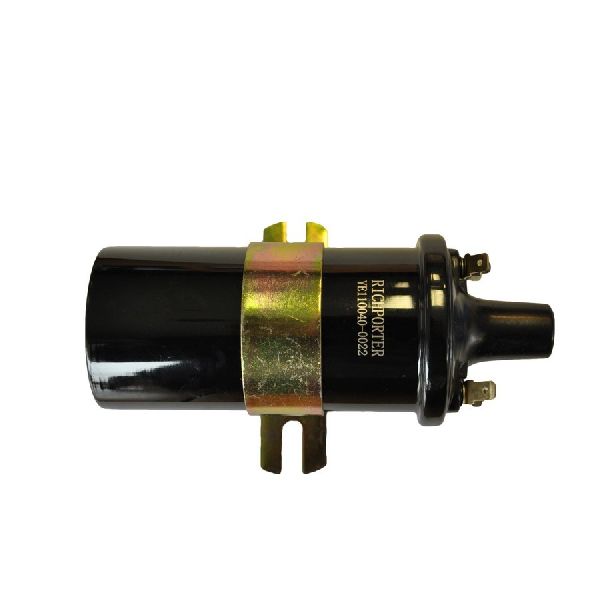
Before ordering a new ignition coil, it is critical to confirm your Transporter's electrical system voltage. Models from 1967 and 1968 were originally 12-volt systems. However, many earlier models (1963-1966) that were originally 6-volt have been converted to 12-volt over the years. Installing the wrong voltage coil can damage your ignition components. A 12-volt coil is often blue (like the classic Bosch Blue Coil) or black.
Choosing a New Aftermarket Ignition Coil
For a classic vehicle like the 1963-1968 Transporter, the distinction between OEM and aftermarket parts can be blurry. Volkswagen-branded classic parts are available and are generally high quality, but they can be expensive. Many aftermarket brands offer excellent quality, often meeting or exceeding original specifications, for a much better price.
Brand Quality Tiers
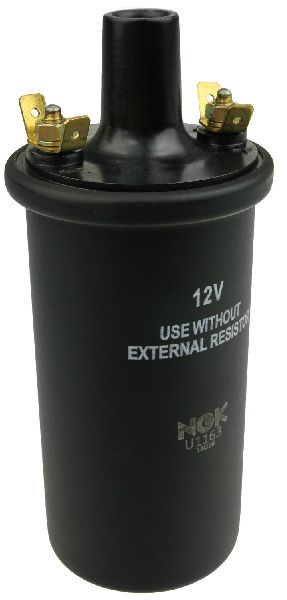
- Top Tier (High Quality & Reliability): Brands like NGK and Standard Ignition have a strong reputation among VW owners and mechanics for reliability and performance. They are known for producing durable parts that provide a consistent spark. Many enthusiasts consider NGK a go-to brand for ignition components.
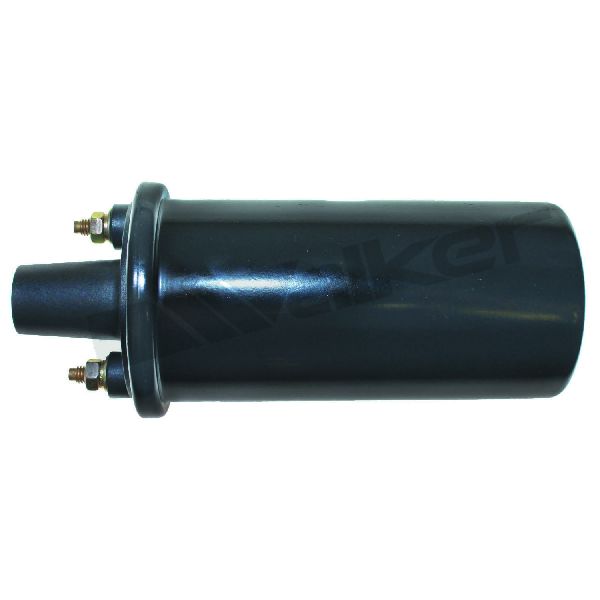
- Mid Tier (Good Value): Brands such as WAI Global and Walker Products are generally seen as reliable, budget-friendly options. They are manufactured to meet OE standards and offer a good balance of price and performance for a daily driver or a stock restoration.
- Economy Tier (Budget Focused): Brands like Global Parts and Spectra fall into the economy category. While they offer the lowest prices, some user reviews indicate a higher chance of premature failure compared to top-tier brands. These may be suitable for a temporary fix but might not be the best long-term solution.
Mechanic's Tip
When you replace your ignition coil, it's a perfect time to also inspect and replace your distributor cap, rotor, points, and condenser if they show signs of wear. These parts all work together, and replacing them at the same time can save you from future ignition troubles.
Typical Replacement Costs
The cost to replace an ignition coil on a vintage Transporter is very reasonable. The part itself is affordable, and the labor is straightforward.
| Item | Estimated Cost |
|---|---|
| New Aftermarket Ignition Coil | $27.45 - $73.91 |
| New OEM (Volkswagen Classic) Ignition Coil | $90 - $110 |
| Shop Labor | $60 - $120 |
Frequently Asked Questions
Is it difficult to replace the ignition coil myself?
No, this is a very easy job for a DIY mechanic. The coil is typically mounted on the engine's fan shroud with two 10mm bolts. The process involves disconnecting the battery, labeling and removing a few wires, unbolting the old coil, and installing the new one. Most owners can complete this in under 30 minutes.
Do I need a coil with a ballast resistor?
It depends on your ignition setup. Stock ignition systems with points often require a coil with an internal ballast resistor to prevent burning up the points. If you have upgraded to an electronic ignition system (like a Pertronix unit), check the manufacturer's recommendation, as many are designed to work with a specific coil resistance (e.g., 3.0 ohms).
How do I test my old ignition coil?
You can perform a basic test with a multimeter. You'll measure the resistance of the primary and secondary windings. However, coils often fail when they get hot, a condition that is difficult to replicate with a simple bench test. The most common failure is an internal short that only appears at operating temperature, causing the engine to stall and then restart after it cools down.
What are the terminals on the coil for?
The coil will have a positive (+) and a negative (-) terminal, often labeled '15' for positive and '1' for negative. It is critical to connect the wires correctly. On a stock points system, the wire from the distributor body connects to the negative terminal. Getting the wires backward can damage your new coil or other ignition components.
Technical Specifications
OEM Part Numbers: 043-905-115-A 113-115C 00012
Voltage: 12V (confirm vehicle system). Primary Resistance: Typically around 3.0 Ohms for use with points or compatible electronic ignitions. Style: Canister-type, oil or epoxy-filled.
We Have This Part in Stock


The information in this article is provided for general reference and educational purposes only. Vehicle specifications, procedures, and part compatibility can vary by production date, trim level, and region. Always consult your vehicle's factory service manual and verify part numbers before purchasing or performing repairs. Safety-critical components such as airbags, seat belts, and braking systems should be installed by a qualified professional.