

Ford Thunderbird Radiator Coolant Hose Guide: 1963-1969
Keep your classic Thunderbird's V8 engine from overheating by understanding how to choose and replace your radiator hoses.
- Radiator hose failure is a leading cause of overheating in classic Thunderbirds; inspect hoses regularly for cracks, swelling, or soft spots.
- Quality aftermarket brands like Gates and Dayco are the standard for replacement, as original Ford parts are unavailable.
- When replacing the lower hose, ensure it has adequate clearance from the fan belt to prevent it from being cut, a common issue on these cars.
- Always replace hoses in pairs (upper and lower) and use new clamps for a reliable, leak-free repair.
Signs of a Failing Radiator Hose
The rubber hoses in your classic Thunderbird's engine bay are exposed to heat, pressure, and chemical coolant. Over decades, they will naturally wear out. It's a good idea to inspect them every time you're under the hood. 🎬 Watch: How to properly inspect your radiator hoses for wear. Look for these warning signs:
- Leaks or Drips: Puddles of green or yellow coolant under your car are a clear sign of a leak. You might also see crusty residue around the hose clamps or a hissing sound after shutting the engine off.
- Visible Damage: Look for cracks, splits, or weak spots. A small pinhole leak can quickly turn into a major failure, spraying hot coolant all over the engine bay.
- Bulging or Swelling: If a hose looks swollen or puffy, especially near the ends, it means the internal layers are breaking down. This is a sign of a future rupture.
- Spongy or Hard Feel: When the engine is cool, squeeze the hoses. They should be firm but flexible. A hose that feels mushy, spongy, or rock-hard and brittle needs to be replaced immediately.
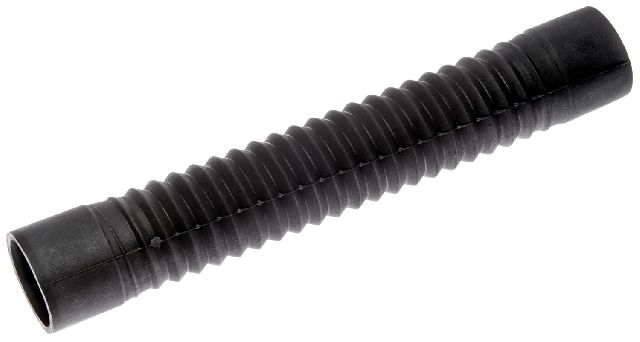
- Internal Collapse: Old lower radiator hoses can sometimes collapse internally under suction from the water pump, blocking coolant flow and causing overheating. Some original hoses had an internal spring to prevent this, which may be missing in aftermarket replacements.
A Common Installation Mistake
For 1963-1969 Thunderbirds, a very common and costly mistake is installing the lower radiator hose too close to the fan belt. The belt can easily slice through the new hose, causing a sudden and complete loss of coolant. Always double-check for proper clearance after installation by ensuring the hose is rotated as far away from the belt as possible.
Choosing the Right Aftermarket Hose
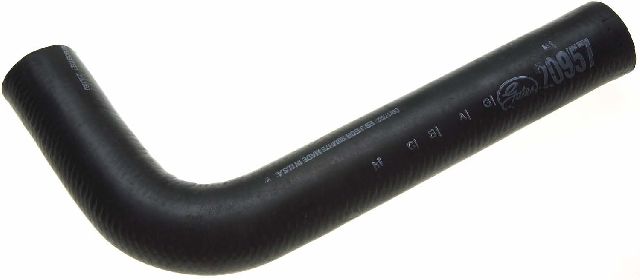
Original Ford (OEM) hoses for these model years are no longer produced. The market today consists of quality aftermarket brands and specialty reproductions with original-style script for show cars.
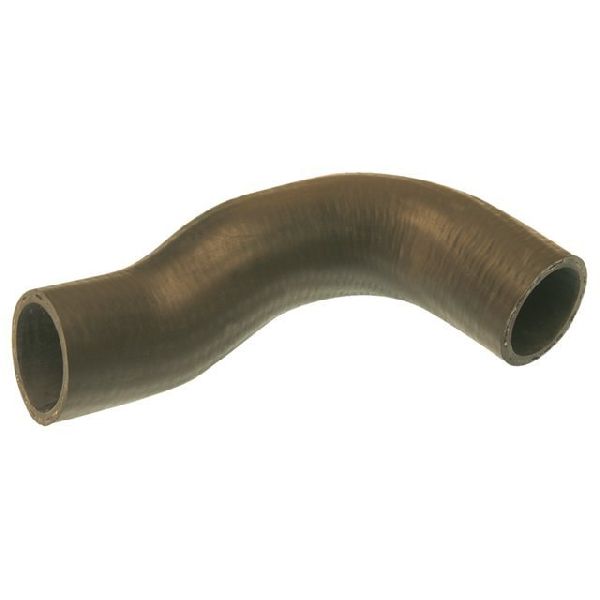
For a reliable daily driver or weekend cruiser, a modern aftermarket hose from a reputable brand is the best choice. They are made from EPDM rubber, which is resistant to heat, ozone, and chemical degradation.
- Good (Tier 2): Dayco - A well-known brand that produces reliable hoses. Some users note their hoses can be slightly thicker than others. They are a solid choice for any Thunderbird.
- Better (Tier 1): Gates - Often considered a top-tier aftermarket brand, Gates has a strong reputation for quality and proper fitment, though fit can sometimes be an issue with any aftermarket part on a classic car.
- Best (Concours): Reproduction "Script" Hoses - For owners seeking 100% originality, reproduction hoses with the Ford script are available from specialty suppliers. They are significantly more expensive and offer no functional advantage over modern aftermarket hoses.
Replace in Pairs and Don't Forget the Clamps
If one radiator hose has failed, the other is likely the same age and condition. It's smart practice to replace both the upper and lower radiator hoses at the same time. It is also highly recommended to use new hose clamps. Old clamps can lose tension or corrode, leading to leaks even with a new hose.
🎬 See this step-by-step guide for replacing upper and lower hoses.Cost to Replace Radiator Hoses on a 1963-1969 Thunderbird
| Part Type | Price Range |
|---|---|
| New Aftermarket Hoses (per hose) | $21.09 - $52.63 |
| Reproduction "Script" Hoses (per hose) | $65.00 - $75.00 |
| Shop Labor | $100 - $200 |
Frequently Asked Questions (FAQ)
Is replacing the radiator hoses a good DIY job?
Yes, for most home mechanics with basic tools, this is a very feasible project. The engine bays of 1960s Thunderbirds offer good access. The most difficult part is often wrestling the new hose onto the fittings, especially the lower hose. Soaking the ends of the new hose in hot water can make them more pliable and easier to install.
How often should I replace my Thunderbird's radiator hoses?
For a classic car that may be driven less frequently, a good rule of thumb is to inspect the hoses annually and replace them every 4-5 years as preventative maintenance, or immediately if you see any signs of wear. Some sources suggest the useful life of older hose designs could be as short as 2-3 years.
Do I need a special type of coolant?
For this era of vehicle, a conventional green IAT (Inorganic Additive Technology) antifreeze/coolant is the standard. A 50/50 mix of coolant and distilled water is recommended. After replacement, be sure to properly "burp" the system to remove any trapped air pockets, which can cause overheating.
🎬 Watch: How to refill and burp the coolant system correctly.Are there any recalls for the radiator hoses on my Thunderbird?
No. There are no active recalls or technical service bulletins (TSBs) from the NHTSA for radiator coolant hoses on the 1963-1969 Ford Thunderbird. This is expected for a vehicle of this age.
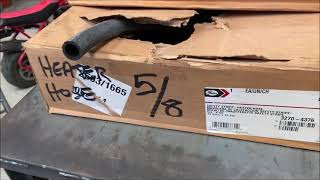
Helpful Videos
Technical Specifications
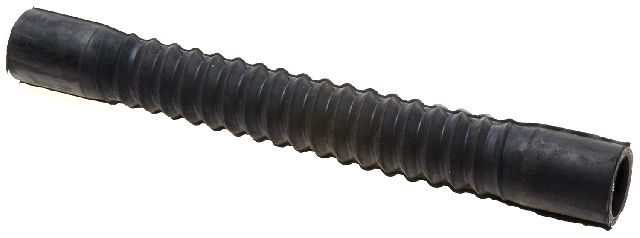
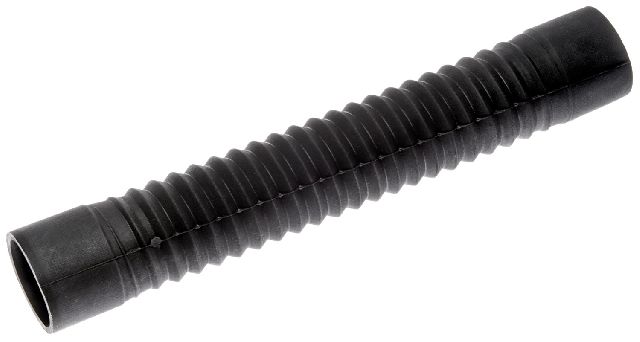
Material: EPDM Rubber. Type: Molded. Internal Spring: May be required for lower hose to prevent collapse.
We Have This Part in Stock

The information in this article is provided for general reference and educational purposes only. Vehicle specifications, procedures, and part compatibility can vary by production date, trim level, and region. Always consult your vehicle's factory service manual and verify part numbers before purchasing or performing repairs. Safety-critical components such as airbags, seat belts, and braking systems should be installed by a qualified professional.