

Accessory Drive Belts for the 1963-1969 Jeep Gladiator: A Complete Guide
Keep your classic Gladiator's accessories running smoothly with the right set of V-belts.
- Your 1963-1969 Gladiator uses multiple V-belts, not a single serpentine belt.
- The most critical task is identifying the correct belt sizes for your specific engine and accessory setup.
- Modern aftermarket brands like Gates and Continental offer excellent quality and durability.
- A failed belt can cause serious issues like engine overheating or leave you stranded with a dead battery.
Signs of a Failing Accessory Drive Belt
The V-belts on your classic Gladiator are wear-and-tear items. Regular inspection is key to avoiding a breakdown. Look for these common symptoms of a worn or failing belt:
- Squealing or Chirping Noises: This is the most common sign. The noise often comes from a belt that is loose, worn, or contaminated with oil or coolant. It may get louder when you start the engine on a cold, damp day or when you turn the steering wheel.
- Visible Damage: A visual check can reveal a lot. Look for cracks, glazing (a shiny, smooth appearance on the belt's sides), fraying, or missing chunks of rubber. Any visible damage means the belt needs to be replaced soon.
- Accessory Malfunctions: If a belt breaks, the component it drives will stop working. A snapped alternator belt will cause the battery light to come on and the battery to stop charging. A broken water pump belt will lead to rapid engine overheating, a critical issue. If your power steering suddenly becomes heavy, the belt driving the pump may have failed.
Critical Warning: Overheating
If your temperature gauge suddenly spikes, pull over immediately. Driving with an overheating engine, even for a short time, can cause severe and expensive damage. This can be caused by a failed water pump belt.
Choosing the Right Aftermarket Belts
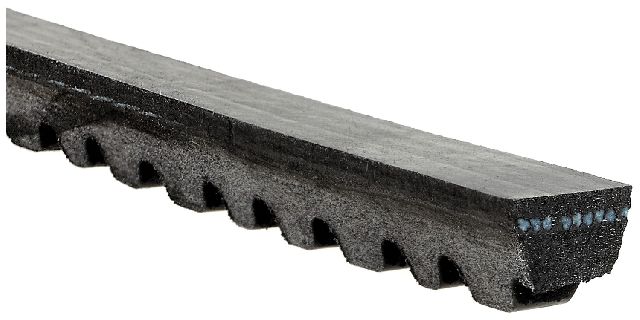
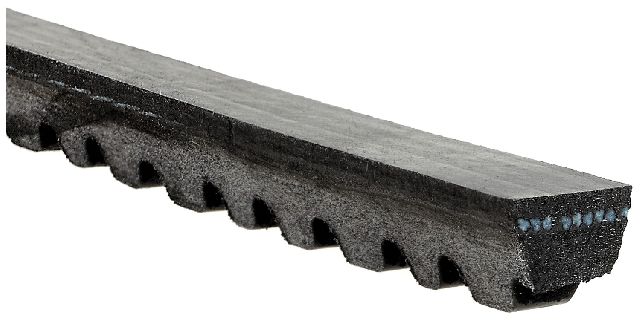
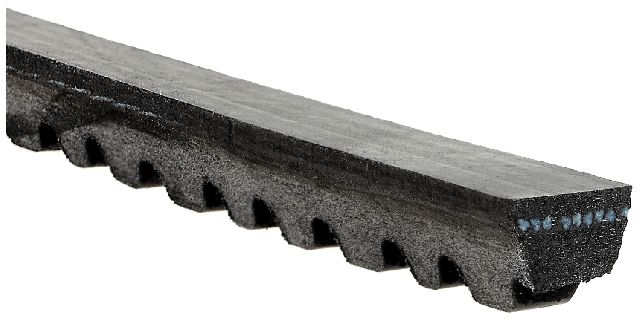
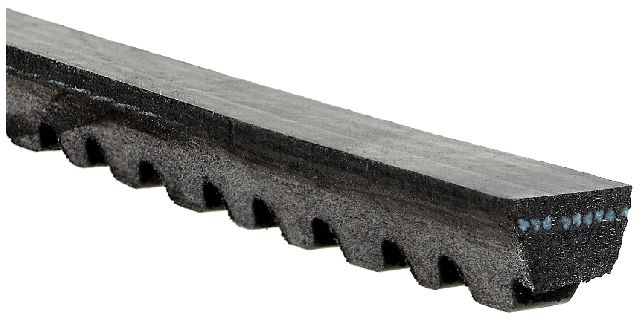
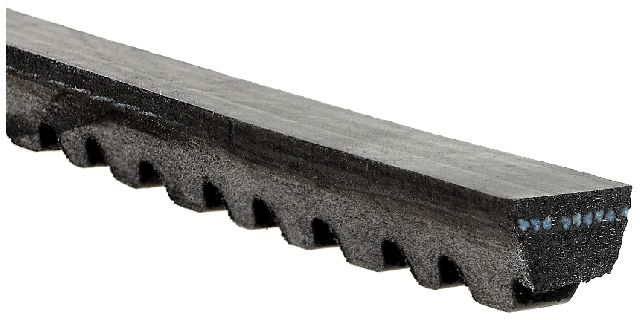
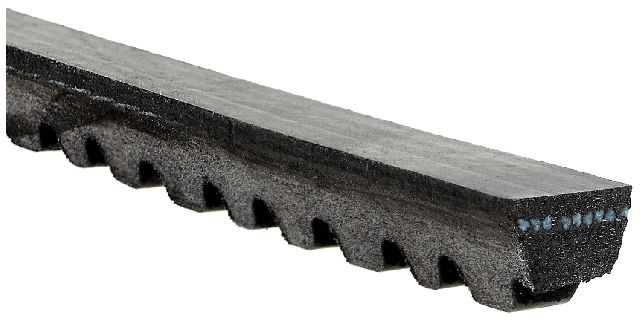
Finding original equipment (OEM) belts from the 1960s is nearly impossible. The good news is that modern aftermarket belts from reputable brands are made with superior materials and technology compared to what was available when your truck was new. Your Gladiator has several belts, and the exact number and size depend on the engine and accessories (like power steering or A/C). The most important step is to identify the correct belts for your specific setup.
OEM vs. Aftermarket Quality
For a classic vehicle like the 1963-1969 Gladiator, high-quality aftermarket is the standard and often the only option. Brands like Gates and Continental have been making belts for decades and are trusted in the industry. Their modern V-belts, often made from durable EPDM rubber, resist cracking and stretching better than the original neoprene belts. In this case, there is no quality sacrifice when choosing a top-tier aftermarket brand.
Pro Tip: Identify Your Belts
Before ordering, check the part numbers on your existing belts. If they are unreadable, you may need to measure the length and width of each one. You can also consult a parts catalog or an online forum for classic Jeeps, specifying your engine (e.g., Tornado 230 I6, Buick 350 V8) and accessory configuration.
Recommended Aftermarket Brands
For your Gladiator, you can confidently choose from established brands known for their quality.
- Gates: A highly respected name in the industry, Gates is often recommended by mechanics and DIYers for its durability and reliability, especially for V-belt applications on classic vehicles.
- Continental: Another top-tier manufacturer, Continental produces high-quality belts that meet or exceed OEM specifications. Some users note they are excellent for reducing squeal.
Both Gates and Continental are considered excellent choices, and the decision between them often comes down to price and availability.
Estimated Replacement Costs
The cost to replace the accessory drive belts on your Gladiator is relatively low, especially if you do the work yourself. The main variables are the number of belts your truck requires and local labor rates.
| Part/Service | Estimated Cost |
|---|---|
| New Aftermarket Belts (per belt) | $5 - $43 |
| Shop Labor | $100 - $200 |
Frequently Asked Questions
How many drive belts does my 1963-1969 Gladiator have?
It depends on your engine and factory options. Base models might have only two or three belts for the alternator and water pump. Trucks equipped with power steering or other accessories will have additional belts. It's crucial to verify your specific configuration before buying replacements.
Can I replace the V-belts myself?
Yes, this is a very DIY-friendly job for someone with basic mechanical skills. The process involves loosening the accessory (like the alternator), removing the old belt, installing the new one, and properly tensioning it by pulling the accessory tight before securing its bolts. No special tools are usually required.
How do I know what size belt to buy?
The best way is to find the part number printed on the old belt. If it's gone, you can carefully cut the old belt, lay it flat, and measure its length. You also need to know the width. Classic Jeep forums and parts suppliers can also be valuable resources for finding the right sizes for your engine and accessory combination.
Should I replace all the belts at once?
It's a good practice. If one belt is old enough to fail, the others are likely in similar condition. Replacing them all at the same time saves you from doing the same job multiple times and ensures the reliability of your entire accessory drive system.
Technical Specifications
System Type: Multiple V-Belt. Belt Material: EPDM (Ethylene Propylene Diene Monomer) rubber is common for modern replacements. Identification: Requires matching length, width, and V-angle for each specific belt.
We Have This Part in Stock

The information in this article is provided for general reference and educational purposes only. Vehicle specifications, procedures, and part compatibility can vary by production date, trim level, and region. Always consult your vehicle's factory service manual and verify part numbers before purchasing or performing repairs. Safety-critical components such as airbags, seat belts, and braking systems should be installed by a qualified professional.