

A Practical Guide to 1963-1970 Buick LeSabre Control Arm Bushings
Eliminate steering wander and clunking noises by choosing the right control arm bushings for your classic LeSabre.
- Choose between soft rubber bushings for a comfortable, original ride or stiffer polyurethane bushings for improved handling.
- Professional installation is recommended as replacing the bushings requires a hydraulic press and suspension disassembly.
- A full four-wheel alignment is mandatory after replacing control arm bushings to prevent steering issues and tire damage.
- Symptoms like clunking noises and steering wander are serious safety concerns that should be addressed promptly.
Is Your LeSabre's Suspension Showing Its Age?
After decades on the road, the original rubber control arm bushings on your 1963-1970 Buick LeSabre have likely become hard, cracked, or completely worn out. When these parts fail, the metal-on-metal contact creates a host of problems that ruin the driving experience and can become a safety concern. Recognizing the symptoms early can save you from more expensive repairs down the line.
Symptoms of Worn Control Arm Bushings
- Clunking or Banging Noises: A metallic clunking sound, especially when driving over bumps, turning, or braking, is the most common sign. This is the sound of the control arm hitting the frame.
- Steering Wander: If you constantly have to correct the steering wheel to keep the car straight, your bushings are likely worn. The excessive play allows the wheel alignment to shift during driving.
- Vibrations: Worn bushings can no longer absorb road imperfections, sending vibrations through the steering wheel and floorboards.
- Uneven Tire Wear: Check your front tires. If the inside or outside edges are wearing faster than the rest of the tread, it's a classic sign of an alignment issue caused by bad bushings.
Rubber vs. Polyurethane: A Critical Choice
For your LeSabre, you have two main material choices for aftermarket bushings, and your decision will significantly impact ride quality.
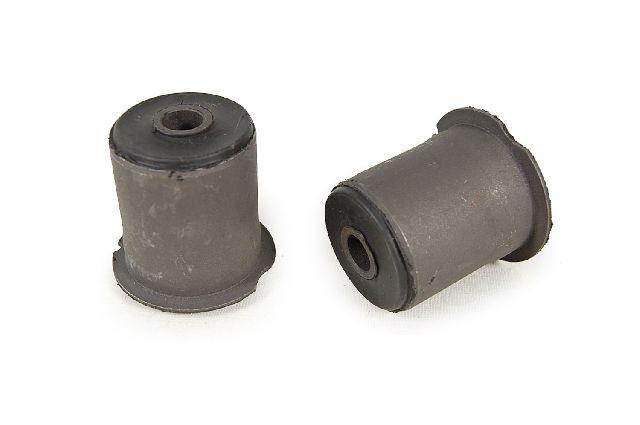
Rubber Bushings (OEM Style): Brands like ACDelco, Mevotech, and Dorman offer traditional rubber bushings. These are designed to replicate the original factory ride: quiet, comfortable, and smooth. They are excellent at absorbing vibrations. For a classic cruiser feel, rubber is the way to go.
Polyurethane Bushings (Performance): Brands like Nolathane specialize in polyurethane. These bushings are much stiffer than rubber. The benefit is improved handling, a more connected steering feel, and longer life. The downside is a firmer ride; you will feel more of the road's imperfections, and there can be an increase in noise. They are a great choice for a restomod or if you prioritize handling performance over cruising comfort.
Choosing the Right Aftermarket Brand
Original GM bushings for a vehicle this age are no longer available. The aftermarket offers several good options at different price points.
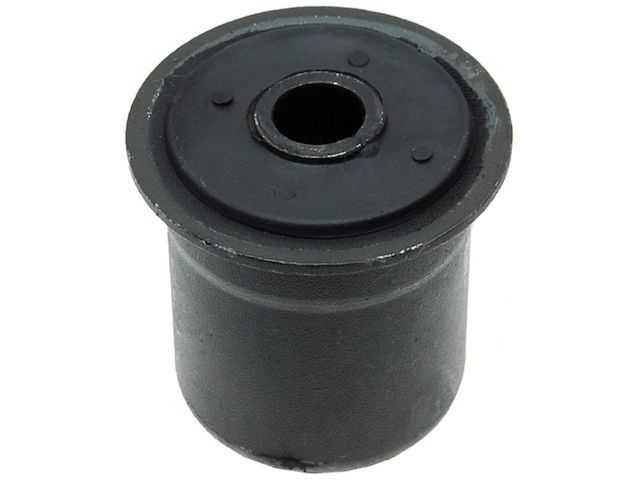
- ACDelco: Often considered a premium replacement, ACDelco provides quality rubber bushings that aim to restore original ride comfort and performance. It's a trusted name for a factory-spec repair.
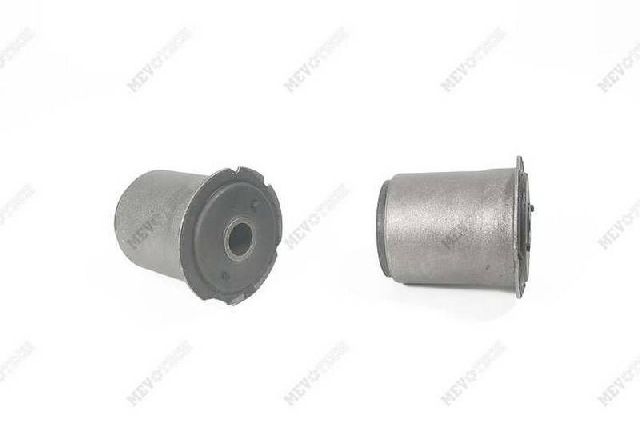
- Mevotech: Mevotech offers a good balance of quality and price, often with different tiers like their 'Supreme' line that meets or exceeds OE standards. They are a solid mid-range choice for a daily driver.
- Nolathane: This is your go-to for a performance upgrade. If you want to tighten up your LeSabre's handling and get a more responsive steering feel, their polyurethane kits are the answer. Be prepared for a stiffer ride.
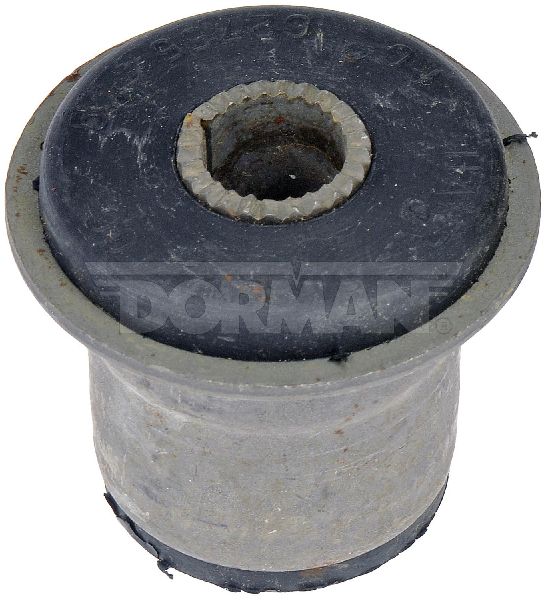
- Dorman: Dorman is a widely available and budget-friendly option. While they get the job done, some users in forums have noted their rubber components may not have the same longevity as more premium brands.
Expected Replacement Costs
The cost to replace control arm bushings involves both the parts and significant labor. The bushings themselves are affordable, but the process to remove the old ones and press in the new ones is time-consuming.
| Item | Estimated Cost |
|---|---|
| New Aftermarket Bushing Kit (One Side) | $17.67 - $67.88 |
| Shop Labor | $250 - $500 per side |
| Wheel Alignment (Required) | $80 - $150 |
| Total Estimated Cost (Per Side) | $350 - $720 |
Note: Labor costs can vary significantly based on shop rates and the condition of your vehicle. Rusted components can increase labor time.
Pro Tip: Replace in Pairs
It is always recommended to replace control arm bushings in pairs (both left and right sides). If one side has failed, the other is likely not far behind. Replacing both at the same time ensures balanced handling and saves you from having to pay for labor and another wheel alignment in the near future.
Frequently Asked Questions
Can I replace just the bushings, or do I need a whole new control arm?
For the 1963-1970 LeSabre, replacing just the bushings is common. Unlike modern cars where the whole arm is often replaced, bushings are readily available for your classic. However, if the control arm itself is bent, cracked, or severely rusted, you will need to source a replacement arm.
Is this a DIY job?
This is a challenging job for a DIY mechanic. It requires safely lifting the vehicle, disassembling the suspension, and using a hydraulic press or a specialized bushing removal tool to swap the bushings. Without the right tools, it can be very difficult. For most owners, professional installation is recommended.
Do I really need a wheel alignment after?
Yes, absolutely. Replacing the control arm bushings will change your suspension geometry. A wheel alignment is required to reset the angles to factory specifications, ensure the car drives straight, and prevent rapid, uneven tire wear.
Are there any recalls for my LeSabre's control arm bushings?
No. A search of the NHTSA database shows no safety recalls specifically for suspension control arm bushings on the 1963-1970 Buick LeSabre.
Technical Specifications
The key specification is the material: rubber for OEM-style comfort or polyurethane for enhanced performance and durability. Bushings are specific to upper or lower control arms and must be matched to your vehicle's year.
We Have This Part in Stock

The information in this article is provided for general reference and educational purposes only. Vehicle specifications, procedures, and part compatibility can vary by production date, trim level, and region. Always consult your vehicle's factory service manual and verify part numbers before purchasing or performing repairs. Safety-critical components such as airbags, seat belts, and braking systems should be installed by a qualified professional.