

Ford Ranchero Accessory Drive V-Belt Guide (1963-1970)
Keep your classic Ranchero's accessories running smoothly with the right V-belts.
- Your 1963-1970 Ranchero uses multiple V-belts, not a single serpentine belt; you must confirm the quantity and size for your specific engine and options.
- Squealing is the most common symptom of a problem, usually indicating a loose or worn belt.
- Brands like Gates, Dayco, and Continental are all trusted aftermarket choices; correct fitment is more important than brand.
- After installing a new belt, proper tension is critical. Re-check tension after a brief run-in period to prevent slipping and noise.
Understanding Your Ranchero's V-Belt System
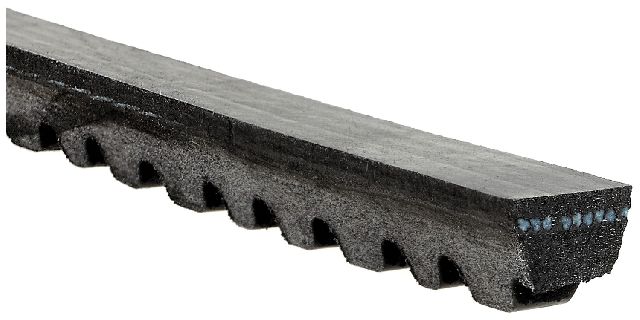
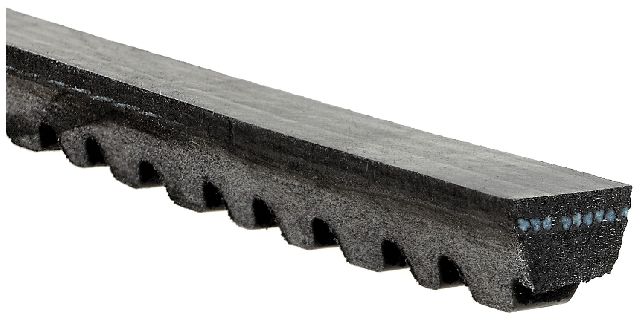
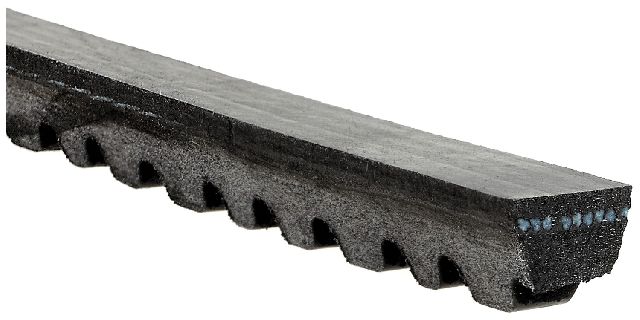
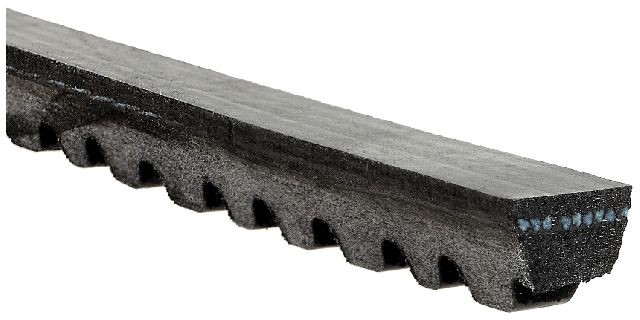
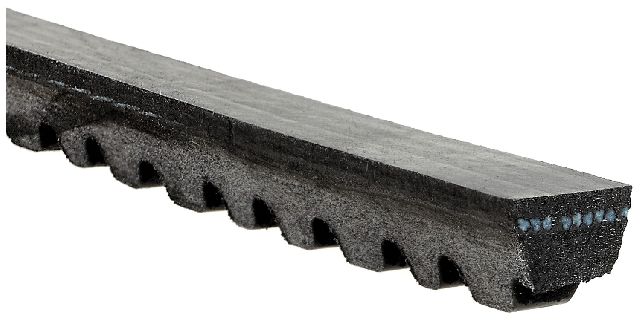
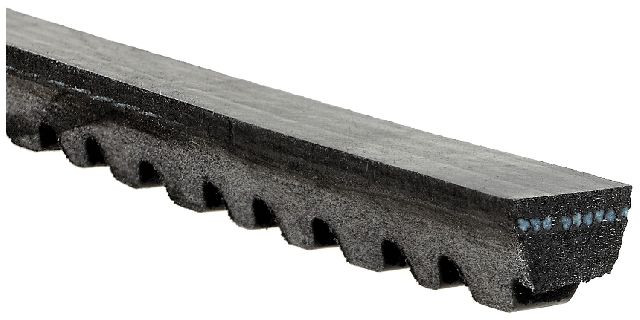
The first thing to know is that your 1963-1970 Ranchero does not have a single "accessory drive belt." It uses a set of individual V-belts. Depending on the engine (from the inline-6 to small-block and big-block V8s) and factory options, your truck could have two, three, or even four separate belts. Because of these variations, it is crucial to identify exactly which belts your specific vehicle requires before ordering.
Symptoms of a Failing V-Belt
A bad V-belt usually gives you some warning before it fails completely. Ignoring these signs can leave you stranded. A broken belt can cause the engine to overheat or the battery to stop charging, leading to a breakdown.
Common Failure Symptoms
- Squealing Noises: This is the most common symptom. A loud squeal or chirp, especially on startup or when turning the steering wheel, is usually caused by a loose or worn belt slipping on the pulleys.
- Visible Wear and Tear: Visually inspect your belts. If you see cracks, fraying, missing chunks, or a shiny, hardened (glazed) surface, the belt is old and needs to be replaced.
- Accessory Malfunctions: If your battery light comes on, your temperature gauge climbs into the red, or your power steering becomes heavy, a belt has likely failed. This is a critical situation that requires immediate attention.
- Vibrations: Worn belts can cause vibrations that you might feel while the engine is running.
Choosing the Right Aftermarket Belts
For a classic vehicle like the 1963-1970 Ranchero, original Ford "OEM" belts are no longer available. However, the aftermarket offers excellent, high-quality replacements. The most important factor is not necessarily the brand, but ensuring you get the exact length and width required for each belt path on your specific engine and accessory combination. A premium belt that is the wrong size is useless.
Here’s a look at the available, trusted brands:
- Gates: Often considered a top-tier choice by enthusiasts, Gates belts are known for durability and precise fitment. Their High Capacity V-Belts are an excellent option for these vehicles.
- Dayco: Dayco is another major manufacturer that produces reliable, OEM-quality belts. They are widely available and a solid choice for any classic vehicle owner.
- Continental: Formerly known for the Gatorback line, Continental is a global OEM supplier and their aftermarket belts are built to high standards, offering long life and quiet operation.
Pro Tip: When replacing belts, it's a good practice to replace them all at once with a matched set from the same manufacturer. This ensures even wear and tension across the system.
Known Issues, Recalls, and Service Bulletins
There are no active recalls or widespread Technical Service Bulletins (TSBs) from the NHTSA for the accessory drive belts on the 1963-1970 Ford Ranchero. Any issues that arise are typically due to the normal wear and tear of aging components, like improper tension or worn pulleys.
Common Ordering Mistake
The single most common mistake is ordering the wrong belts. Ranchero engines and accessory combinations changed frequently. Always verify if your vehicle has air conditioning or power steering, and identify your engine (e.g., 289, 302, 390) to ensure you select the correct part numbers. It's wise to measure the old belts or check part numbers stamped on them if possible.
Frequently Asked Questions (FAQ)
How many belts does my Ranchero have?
It depends on the engine and options. A base model with an inline-6 might have only one or two belts. A V8 with power steering and air conditioning could have three or four. You must count the belts on your specific vehicle before ordering.
My new belt is squealing. What did I do wrong?
The most common cause of a new belt squealing is incorrect tension—it's likely too loose. V-belts require re-tensioning after the first 24-48 hours of use as they seat into the pulleys. Also, ensure the pulleys are clean and free of oil or grease.
How tight should the belts be?
A general rule of thumb is that at the midpoint of its longest span, the belt should have about 1/2 inch of deflection when you press on it firmly with your thumb. A belt that is too tight can cause damage to the bearings in your alternator, water pump, or power steering pump.
Can I replace just one bad belt?
You can, but it is highly recommended to replace all the belts at the same time. If one belt is old enough to fail, the others are likely near the end of their life as well. Using a full, matched set ensures reliability.
Technical Specifications
System Type: Multiple V-Belts. Key dimensions are top width, angle, and overall length. These specifications vary significantly based on engine size (I6, Small-Block V8, Big-Block V8) and accessories (Air Conditioning, Power Steering).
We Have This Part in Stock

The information in this article is provided for general reference and educational purposes only. Vehicle specifications, procedures, and part compatibility can vary by production date, trim level, and region. Always consult your vehicle's factory service manual and verify part numbers before purchasing or performing repairs. Safety-critical components such as airbags, seat belts, and braking systems should be installed by a qualified professional.