

Ford Ranchero Engine Coolant Bypass Hose Guide (1963-1970)
Keep your classic Ranchero's engine running cool by understanding this critical, often-overlooked hose.
- Always choose a modern aftermarket hose from a brand like Gates, Continental, or Dayco over a decades-old original part.
- Verify your specific engine (I6 or V8 size) before ordering to ensure you get the correct molded hose for a proper fit.
- A leaking bypass hose is a serious issue; do not drive the vehicle as it can lead to rapid overheating and catastrophic engine damage.
- While replacing the bypass hose, inspect all other coolant hoses and consider replacing them at the same time as a preventative measure.
Is Your Ranchero's Bypass Hose Failing?
For a classic vehicle like the 1963-1970 Ford Ranchero, rubber components are often the first to fail due to age, heat, and pressure. The engine coolant bypass hose is made of rubber and is prone to degradation over its many decades of service. It's not a matter of if it will fail, but when. Regular inspection is the key to preventing a sudden breakdown.
Key Failure Symptoms
- Coolant Leaks: This is the most common sign. You may notice puddles of green or yellow fluid under the engine, or a sweet smell of antifreeze after a drive. Leaks can be slow at first, requiring you to top off your coolant frequently.
- Visible Damage: Look for cracks, splits, or soft, spongy spots on the hose. A hose that looks swollen or bulging is weak and could burst at any time. Also, check for hardness, as a rock-hard hose has lost its flexibility and is brittle.
- Engine Overheating: If the bypass hose leaks enough coolant, the engine can overheat. This is a serious condition that can cause permanent damage, like a warped cylinder head or a blown head gasket, if not addressed immediately.
- Steam from Engine Bay: A small pinhole leak can spray a fine mist of coolant onto the hot engine, creating steam and a strong coolant odor.
A Note on OEM vs. Aftermarket
For a vehicle of this age, new Original Equipment Manufacturer (OEM) parts are generally not available. Any OEM parts found would be "New Old Stock" (NOS), and their rubber composition would be decades old. Modern aftermarket hoses from reputable brands are manufactured with advanced materials (like EPDM rubber) that resist heat, ozone, and chemical degradation far better than the original parts. For this reason, a new aftermarket hose is the superior and safer choice for your Ranchero.
Choosing the Right Aftermarket Bypass Hose
The 1963-1970 Ranchero was available with a variety of engines, from inline-six cylinders to large V8s like the 260, 289, 302, 351, and 429. It is crucial to select a molded hose specifically designed for your vehicle's year and engine combination. Using a generic, non-molded hose can lead to kinks that restrict coolant flow and cause overheating.
Brand Quality Tiers
When shopping for a replacement, you'll likely encounter these three major brands. All are considered reliable choices for daily use.
- Gates: Often considered a top-tier aftermarket brand. Forum users and mechanics frequently praise Gates for excellent fitment and durability. They are known for good cataloging, which helps ensure you get the correct part for your specific engine.
- Continental (ContiTech): Another high-quality option, Continental is a major OEM supplier and their aftermarket parts are well-regarded.
- Dayco: A solid, budget-friendly choice. While some users report that Dayco hoses can feel slightly thinner or have occasional fitment issues compared to Gates, many have used them without any problems.
Pro Tip: When replacing any coolant hose, it's highly recommended to replace the spring clamps with new worm-gear style hose clamps for a more secure and reliable seal. Also, consider replacing other old hoses, like the upper and lower radiator hoses and heater hoses, at the same time.
| Part Type | Estimated Cost |
|---|---|
| New Aftermarket Hose | $13.44 - $81.22 |
| Shop Labor | $50 - $100 |
Frequently Asked Questions
Can I still drive with a leaking bypass hose?
It is not recommended. A small leak can quickly turn into a major failure, leading to rapid coolant loss and severe engine overheating. This can leave you stranded and cause catastrophic engine damage.
How difficult is it to replace the bypass hose?
For most Ranchero engines, this is a relatively simple job for a DIY mechanic. It typically involves draining some coolant, loosening two clamps, and swapping the hose. The difficulty is generally low, requiring basic hand tools.
Do I need a special coolant for my classic Ranchero?
Yes, it's best to use a conventional "green" ethylene glycol-based coolant. Avoid modern OAT (Organic Acid Technology) coolants (often orange, pink, or purple) as they can be incompatible with the metals and gasket materials used in older engines.
What are the different engines in the 1963-1970 Ranchero?
Over these years, Ford offered a wide range of engines including the 144, 170, 200, and 250 cubic inch inline-6 engines, as well as V8s like the 260, 289, 302, 351, 390, 428, and 429. Always verify your engine size before ordering parts.
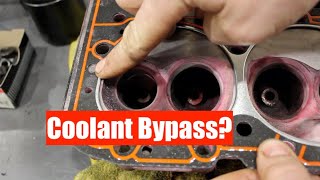
Helpful Videos
Technical Specifications
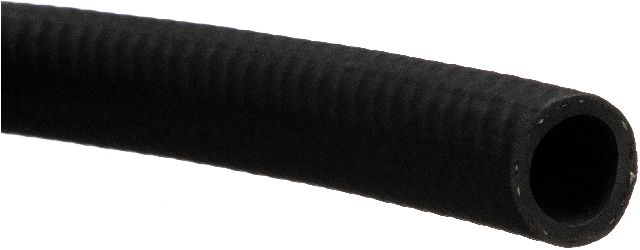
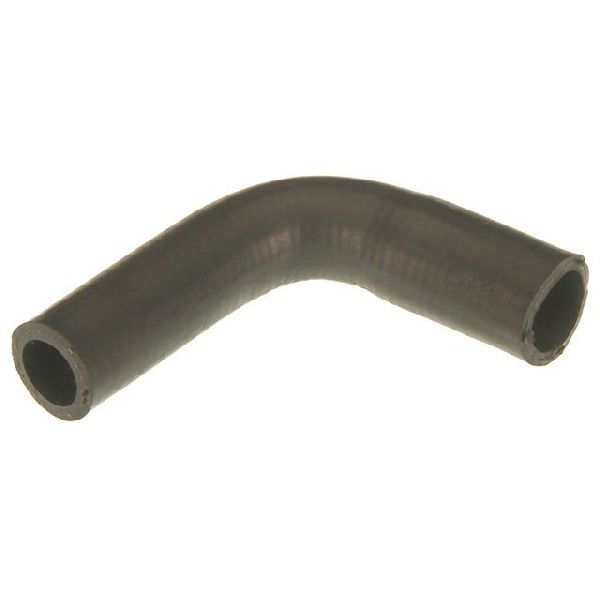
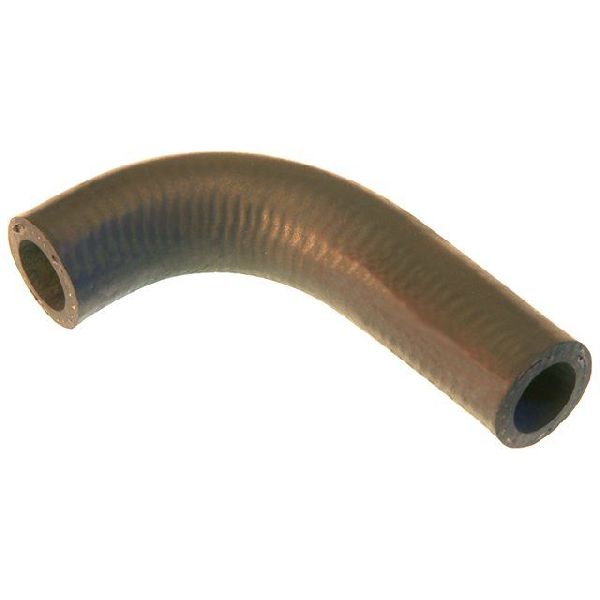
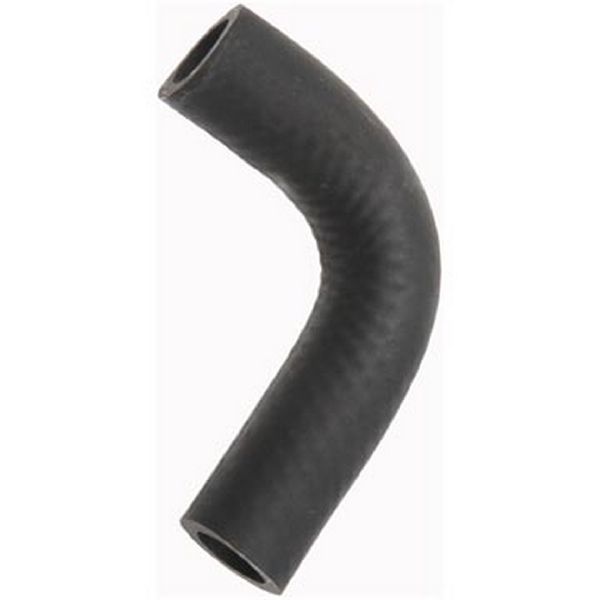
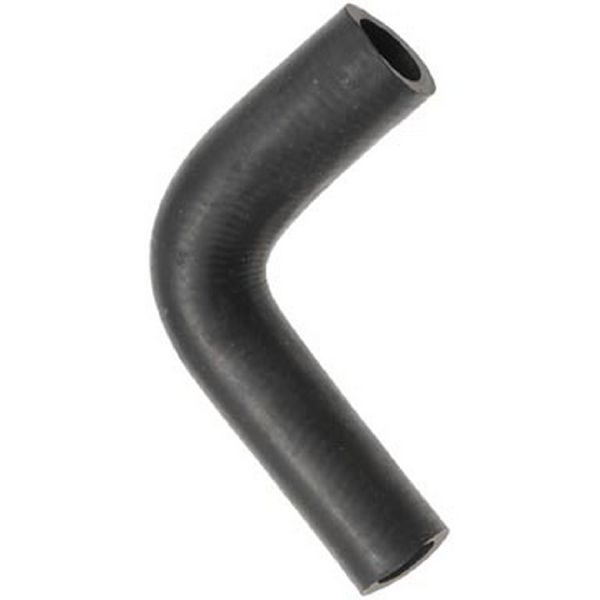
Material: EPDM Rubber; Type: Molded Hose
We Have This Part in Stock

The information in this article is provided for general reference and educational purposes only. Vehicle specifications, procedures, and part compatibility can vary by production date, trim level, and region. Always consult your vehicle's factory service manual and verify part numbers before purchasing or performing repairs. Safety-critical components such as airbags, seat belts, and braking systems should be installed by a qualified professional.