

Guide to Alternators for the 1963-1971 Cadillac DeVille
Keep your classic DeVille's charging system reliable with the right new aftermarket alternator.
- Most aftermarket alternators are internally regulated (10SI/12SI style), which is an upgrade over the original externally regulated 10DN style.
- If you have added modern electronics like a stereo or electric fans, choose a high-output alternator (100+ amps).
- For a stock vehicle, a standard replacement from a brand like ACDelco or Remy is a reliable choice.
- When upgrading to a high-output unit, you must also upgrade the main charge wire to a heavier gauge.
Is Your DeVille's Alternator Failing?
A failing alternator can leave you stranded. Watch for these common warning signs. The most obvious sign is a "GEN" or generator light on your dashboard, indicating a problem with the charging system. You might also notice your headlights dimming, especially at idle, or see the interior lights and dash lights flicker. A weak or dead battery, even after a full charge, is another strong indicator that the alternator isn't doing its job. Sometimes, a failing alternator will make a whining or grinding noise that changes with engine speed.
🎬 Watch: 10 common symptoms of a failing alternatorChoosing Your New Aftermarket Alternator
When replacing the alternator on a classic car like a 1963-1971 DeVille, you have a few choices. The key decision is between a standard replacement and a high-output upgrade. Your choice depends on your car's electrical needs.
Aftermarket Brand Tiers
| Tier | Brands | Best For |
|---|---|---|
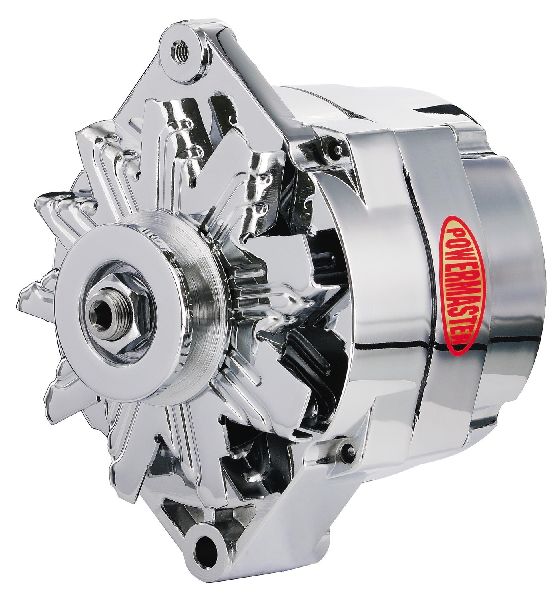
| Premium / High-Output | Powermaster, Mechman | Owners who have added modern electronics like high-wattage stereos, electric fans, or air suspension. These offer higher amperage than the original and often feature modern, more efficient technology. |
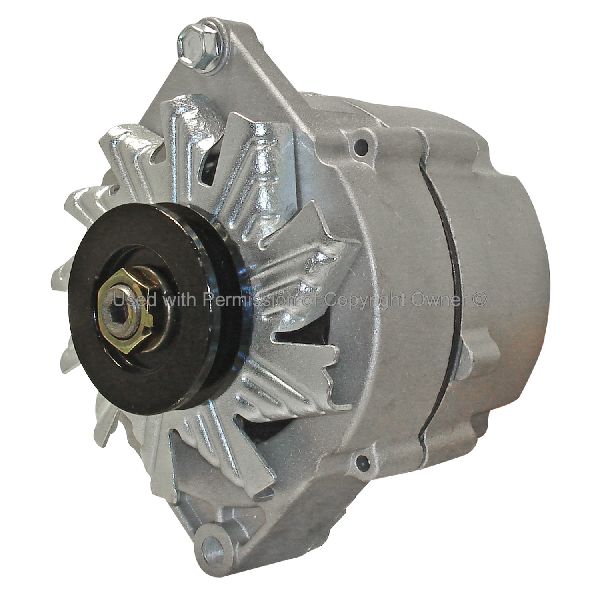
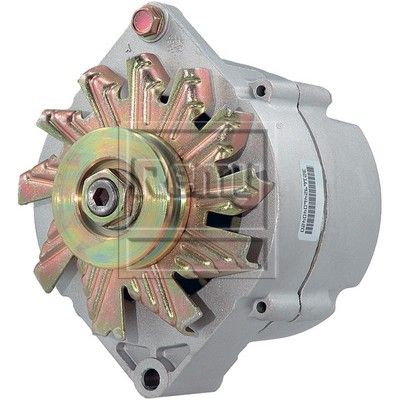
| OEM-Quality Replacement | ACDelco, Remy | A reliable, stock replacement that meets or exceeds original specifications. ACDelco is a GM-backed brand, making it a trusted choice for a factory-style repair. |
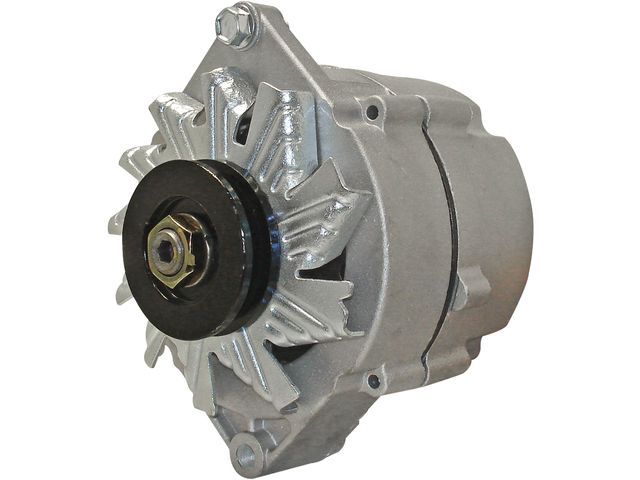
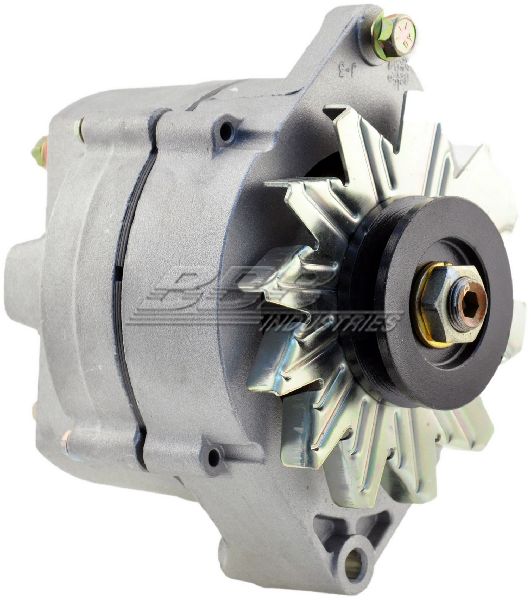
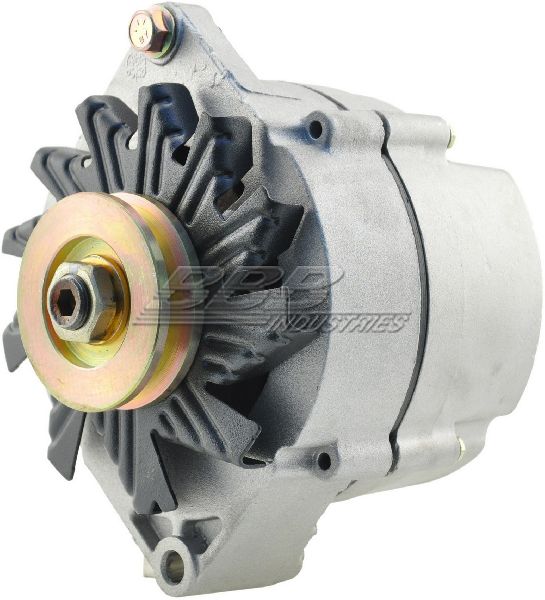
| Standard Replacement | WAI Global, BBB Industries, MPA | Budget-conscious repairs for a stock vehicle. These brands provide a functional, affordable alternative to get your car back on the road. |
Externally vs. Internally Regulated
Your 1963-1971 DeVille originally came with a Delco-Remy 10DN alternator, which uses an external voltage regulator mounted separately in the engine bay. Many modern aftermarket replacements are Delco-Remy 10SI or 12SI style units, which have a more reliable internal regulator. Upgrading is common and recommended, but may require a simple wiring adapter to bypass the old external regulator. Some kits make this a plug-and-play conversion.
Known Issues for 1963-1971 DeVille Alternators
No specific recalls or Technical Service Bulletins (TSBs) related to the alternator are active for these model years, which is expected given the age of the vehicle. Most problems today stem from age-related wear. The original external voltage regulators can fail, leading to charging issues. Wiring harnesses can become brittle and cause poor connections. When replacing your alternator, it's a good idea to inspect the main charging wire and ground connections for corrosion or damage.
Pro Tip: If you are upgrading to a high-output alternator (over 70 amps), you must also upgrade the main charging wire (the "BAT" wire) to a thicker gauge to handle the increased current safely. Failing to do so can create a fire hazard.
Frequently Asked Questions
Do I need a high-output alternator?
If your DeVille is stock with no major electrical additions, a standard output alternator (around 60-70 amps) is perfectly fine. If you have added a powerful sound system, electric cooling fans, air ride suspension, or other modern accessories, a high-output alternator (100+ amps) is highly recommended to keep up with the electrical demand.
What is the difference between a 1-wire and 3-wire alternator?
Original alternators were 3-wire systems. They have a main battery connection, a wire for the dash warning light, and a wire that senses voltage. A "1-wire" alternator simplifies wiring by only requiring the main battery connection to function. However, to keep the "GEN" light on your dash working correctly, you will still need to use it as a 3-wire unit. Many modern replacements, like those from Powermaster, can be used either way.
🎬 Watch: How to upgrade your Cadillac to a 1-wire alternatorIs it difficult to replace the alternator on my DeVille?
For a mechanically inclined person, replacing the alternator on a 1963-1971 DeVille is straightforward. It is typically mounted at the top of the engine and is easily accessible. The process involves disconnecting the battery, loosening the belt, removing a few bolts and electrical connectors, and swapping the unit. 🎬 See this step-by-step 1968 DeVille alternator swap walkthrough The difficulty is low compared to modern cars.
What is a Delco 10DN, 10SI, or 12SI?
These are model numbers for GM alternators. The 10DN is the original, externally regulated alternator used in this era. The 10SI and 12SI are later, internally regulated designs that are common, reliable, and easy-to-install upgrades. They share the same mounting points, making the physical swap a direct bolt-on.
Helpful Videos

Technical Specifications
OEM Part Numbers: 1100628 1100665 1100668 1100693 1100884
Original alternators were Delco-Remy 10DN models, externally regulated, with outputs ranging from 42 to 61 amps. Aftermarket upgrades are typically 10SI or 12SI style with internal regulators and outputs from 63 to 150+ amps.
We Have This Part in Stock

The information in this article is provided for general reference and educational purposes only. Vehicle specifications, procedures, and part compatibility can vary by production date, trim level, and region. Always consult your vehicle's factory service manual and verify part numbers before purchasing or performing repairs. Safety-critical components such as airbags, seat belts, and braking systems should be installed by a qualified professional.