

Choosing the Right New Aftermarket Carburetor for Your 1963-1973 Buick Riviera
Keep your classic Riviera's V8 running strong by understanding your new aftermarket carburetor options.
- Common failure symptoms include rough idle, hesitation, black exhaust smoke, and difficulty starting.
- Choose between user-friendly Edelbrock carbs for street driving or highly tunable Holley carbs for maximum performance.
- Your Riviera's V8 engine will likely need a 4-barrel carburetor rated between 600 and 750 CFM.
- Installation may require a manifold adapter and a special linkage for the transmission kickdown to function correctly.
Is It Time to Replace Your Riviera's Carburetor?
An aging carburetor can cause a host of problems. If you notice your Riviera is hard to start, idles roughly, hesitates when you accelerate, or has black smoke coming from the exhaust, your carburetor is a likely culprit. These symptoms often mean the air-fuel mixture is incorrect, which can lead to poor performance, bad gas mileage, and even engine damage if ignored.
Choosing a New Aftermarket Carburetor
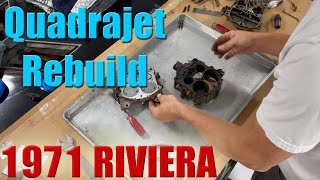
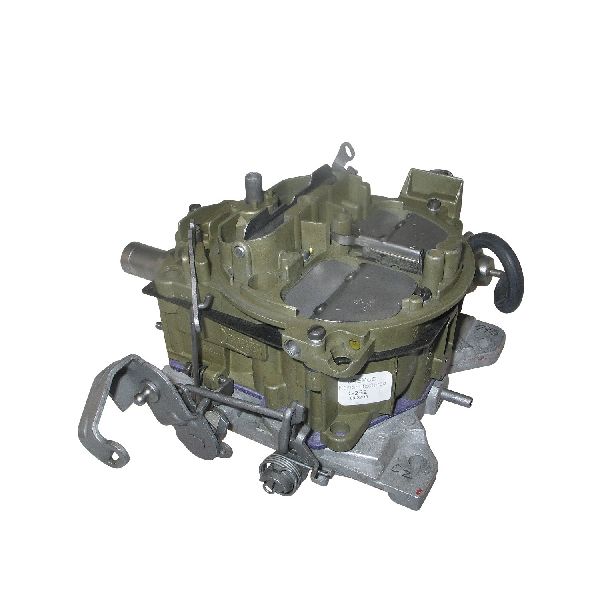
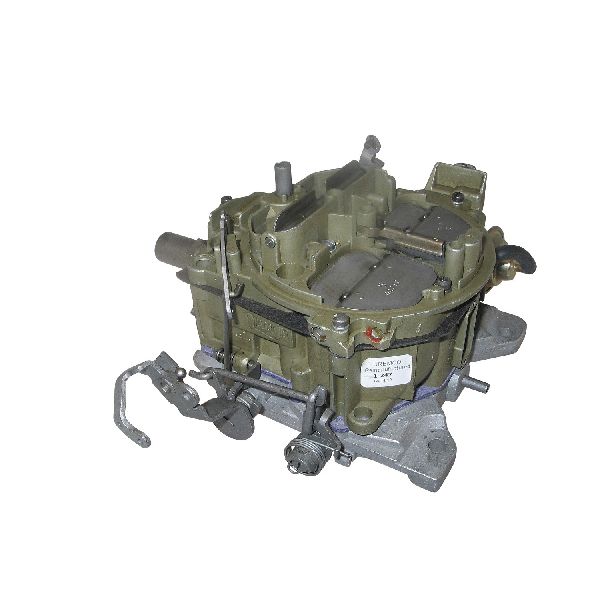
For a classic car like the 1963-1973 Riviera, you have a few paths. While some owners prefer to rebuild the original Rochester or Carter carburetor, many opt for a brand-new aftermarket unit for modern reliability and ease of tuning. The main players in the new aftermarket space are Edelbrock and Holley.
Pro Tip: Before replacing your carburetor, always check for other simple issues first. A new carburetor won't fix a weak ignition coil, vacuum leaks from old hoses, or a clogged fuel filter.
- Edelbrock: Often praised for being easy to use and reliable for street-driven cars. They are designed to work well right out of the box with minimal tuning, making them a popular choice for daily drivers and cruisers.
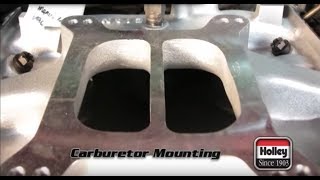
- Holley: Known for its performance potential and extensive tuning options. If you're looking to get the maximum horsepower from your Riviera's engine, a Holley might be the better choice, but it 🎬 See how to properly install a new Holley carburetor. may require more initial setup and tuning.
- Uremco: This brand primarily offers remanufactured carburetors. While they are designed to be direct OEM replacements, reviews on quality can be mixed. Some users report issues like leaks or incorrect settings right out of the box, so careful inspection is needed.
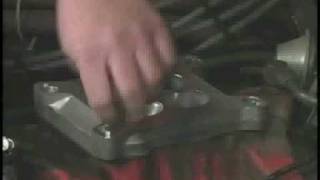
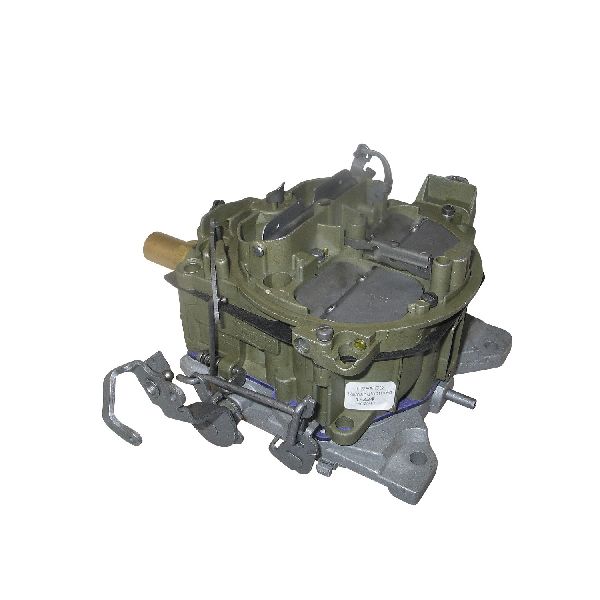
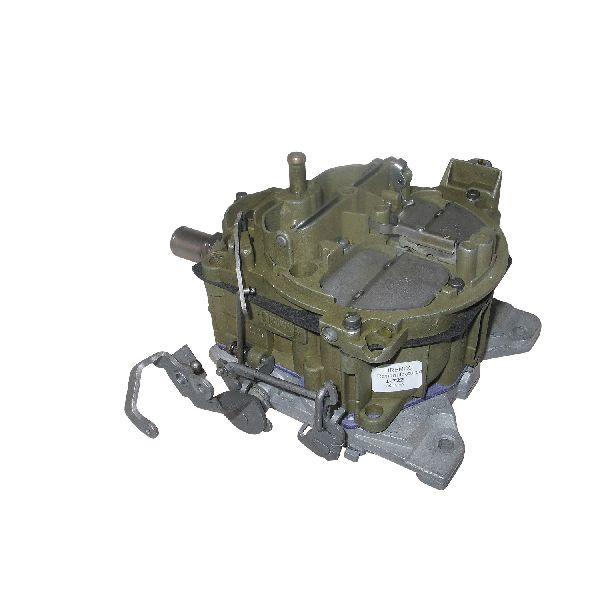
Warning: When installing a new carburetor, you may need an adapter to fit the Riviera's original intake manifold, which was designed for a "spread bore" carb like the Quadrajet. 🎬 Watch this step-by-step Quadrajet to Edelbrock swap guide. You may also need a custom linkage bracket for the transmission kickdown to work correctly.
Cost of a New Aftermarket Carburetor
Replacing your carburetor involves the cost of the part itself and potentially labor if you're not doing it yourself. Here’s a general breakdown of what to expect:
| Item | Estimated Cost |
|---|---|
| New Aftermarket Carburetor (Edelbrock, Holley) | $436.76 - $445.22 |
| Remanufactured OEM Carburetor (e.g., Rochester, Carter) | $250 - $575+ |
| Shop Labor for Installation & Tuning | $150 - $300 |
Frequently Asked Questions
Do I need to tune a new aftermarket carburetor?
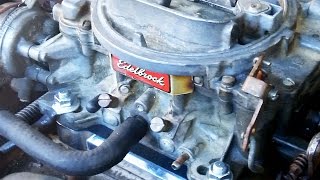
Yes. While brands like Edelbrock are known for running well out of the box, every engine is different. To get the best performance and fuel economy from your Riviera, some level of tuning (like adjusting the idle mixture and speed) will 🎬 Watch a pro adjust the carburetor and ignition on a Riviera. be necessary. A professional tune is recommended for optimal results.
What does CFM mean and which rating do I need?
CFM stands for "Cubic Feet per Minute" and it measures how much air the carburetor can flow. For a stock or mildly modified Buick 401, 425, or 455 engine, a carburetor in the 600-750 CFM range is typically recommended. An 800 CFM carb may be suitable for a highly modified engine. Too much CFM can hurt low-speed throttle response.
Should I choose an electric choke or a manual choke?
Most modern aftermarket carburetors come with an electric choke, which is generally preferred for convenience and reliable starting in all temperatures. A manual choke gives you direct control but requires you to remember to operate it.
Can I install a new carburetor myself?
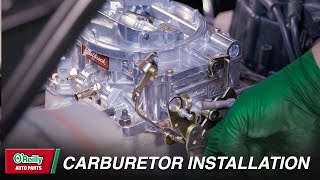
Yes, if you have basic mechanical skills and tools, replacing a carburetor is a manageable DIY job. The process involves disconnecting the fuel line, linkages, and vacuum hoses, unbolting the old carb, and installing the new one. However, remember that you are working with gasoline, so take all necessary safety precautions, such as disconnecting the battery and working in a well-ventilated area.
Helpful Videos
Technical Specifications
OEM Part Numbers: Carter AFB 3503S Carter AFB 3578S Rochester 4GC 7023143
The 1963-1973 Buick Riviera used large V8 engines (401, 425, 430, 455ci) that were factory-equipped with a 4-barrel carburetor. Original models were typically Rochester 4GC or Carter AFB carburetors. Aftermarket replacements are typically square-bore, requiring an adapter for the original spread-bore intake manifold. A CFM rating of 600-750 is appropriate for most applications.
We Have This Part in Stock


The information in this article is provided for general reference and educational purposes only. Vehicle specifications, procedures, and part compatibility can vary by production date, trim level, and region. Always consult your vehicle's factory service manual and verify part numbers before purchasing or performing repairs. Safety-critical components such as airbags, seat belts, and braking systems should be installed by a qualified professional.