

Jeep J-100 Starter Motor: A Guide for 1963-1973 Models
Don't let a bad starter leave your classic J-100 stranded; here's how to choose the right replacement.
- Starter failure symptoms include a loud click, slow cranking, or grinding noises.
- Always test the battery and clean all electrical connections before replacing the starter.
- Replacement is a simple DIY job for most owners, requiring basic tools and about an hour.
- For a performance upgrade that solves issues like hot-starting, consider a high-torque starter from a brand like Powermaster.
Is Your J-100 Starter Failing?
For a simple, rugged truck like the 1963-1973 Jeep J-100, the starting system is straightforward. Problems usually come from the battery, the electrical connections, or the starter motor itself. Before you replace the starter, always check that your battery is fully charged and that the battery terminals and starter connections are clean and tight. Corrosion on these connections can prevent the starter from getting the power it needs.
Common symptoms of a failing starter include:
- Single Loud Click: You turn the key and hear one loud "click" but the engine doesn't crank. This often points to a bad starter solenoid, which is usually part of the new starter assembly.
- Grinding Noise: A grinding or whirring sound when you try to start the engine can mean the starter gear is not engaging correctly with the flywheel or is damaged.
- Slow Cranking: If the engine turns over very slowly, even with a good battery, the starter motor may be worn out and drawing too much power.
- No Sound at All: If there's no sound when you turn the key, the problem could be elsewhere in the electrical system, but a completely failed starter is a possibility.
Check the Basics First
Many starter problems are actually battery or cable problems. A weak battery, loose ground wire, or corroded battery terminals can all mimic the symptoms of a bad starter. Use a multimeter to check that your battery has at least 12.6 volts before deciding to replace the starter.
Choosing a New Aftermarket Starter
For a vehicle from this era, finding a "new old stock" (NOS) or original OEM starter is nearly impossible. The market consists of new and remanufactured aftermarket parts. Here’s a breakdown of the available brands to help you choose.
Brand Tiers for Your Jeep J-100
- Good: Crown Automotive
- Crown is a well-known brand that specializes in replacement parts for all generations of Jeep vehicles. They are often the go-to choice when original parts are discontinued. Their starters are designed to be direct, OE-style replacements. While some users have reported issues with fitment on other parts, Crown is generally considered a reputable standard replacement brand and backs its parts with a warranty.
- Better: MPA (Quality-Built)
- Motorcar Parts of America (MPA) is a major manufacturer of starters and alternators, often sold under the "Quality-Built" brand name. They state their parts are tested to meet or exceed original specifications and are supported by ASE-certified technicians. An MPA starter is a solid, reliable choice for a daily driver or stock restoration.
- Best/Performance: Powermaster
- Powermaster focuses on high-torque and performance starters. These are a significant upgrade over stock, especially if you have a modified engine or experience "hot soak" issues, where the truck struggles to start when the engine is hot. Powermaster starters are typically lighter, more compact, and crank the engine faster and more reliably. While they are a premium option, they are highly recommended by users for solving persistent starting problems.
How Much Does a New Starter Cost?
The cost for a new aftermarket starter for your J-100 is reasonable. The biggest factor in total cost will be whether you install it yourself or have a shop do the work.
| Part or Service | Estimated Cost |
|---|---|
| New Aftermarket Starter | $104 - $146 |
| Shop Labor | $75 - $150 |
| Total Professional Installation | $179 - $296 |
DIY Installation is Very Feasible
Replacing the starter on a 1963-1973 J-100 is a simple job that most owners can do at home in under an hour with basic hand tools. The starter is typically held on by just two bolts and has two electrical connections. Doing it yourself can save you over $100 in labor costs.
Frequently Asked Questions
Are there any recalls on the 1963-1973 J-100 starter?
No, searches of the National Highway Traffic Safety Administration (NHTSA) database show no open or past recalls for the starter motor on the 1963-1973 Jeep J-100.
What is a starter solenoid and do I need to replace it too?
The solenoid is a small, powerful switch that activates the starter. On most modern and aftermarket starters, the solenoid is attached to the top of the starter motor and comes as a single assembly. When you buy a new starter, the solenoid is almost always included.
What's the difference between a new and a remanufactured starter?
A new starter is made with all-new components. A remanufactured starter starts with a used core (the main body of an old starter) which is then disassembled, cleaned, and rebuilt with new internal wear items like brushes, bearings, and solenoid contacts. Both new and quality remanufactured starters from reputable brands can be reliable options.
What are the most common mistakes when ordering a starter?
The most common mistake is not verifying the engine type. While many starters fit a range of AMC engines used in these Jeeps, always confirm the part is correct for your specific engine (e.g., 232, 258, 304, 360 V8). Also, be aware of any notes about transmission type, although this is less common for starters on these models.
Technical Specifications
OEM Part Numbers: 5752791
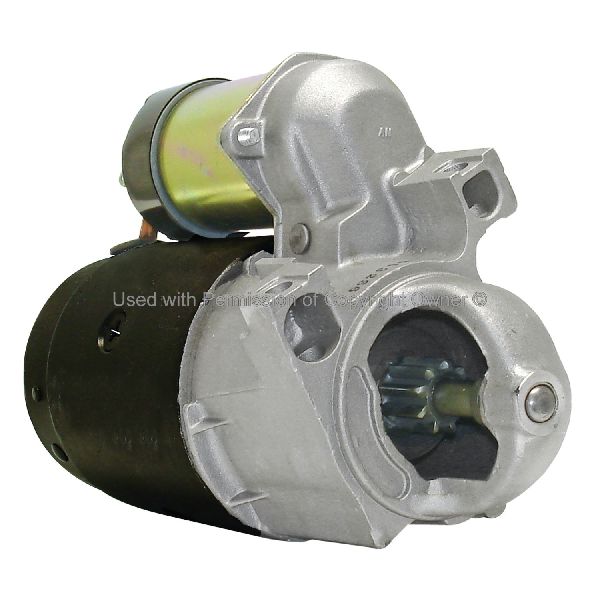
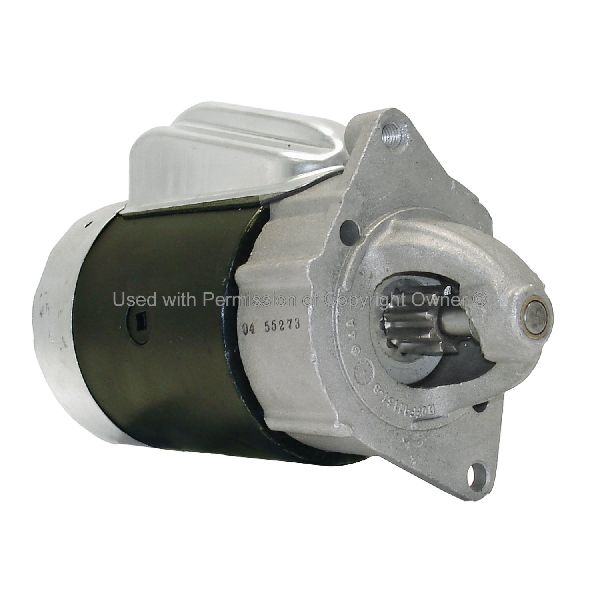
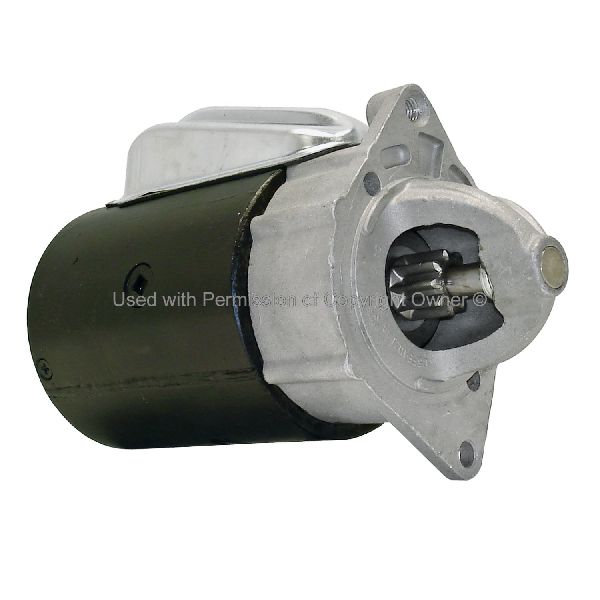
The starter for this generation of Jeep J-100 is typically a direct-drive (DD) style motor with a 9-tooth gear and a clockwise rotation. It is designed for a 12-volt system and fits a variety of AMC engines used during this period.
We Have This Part in Stock

The information in this article is provided for general reference and educational purposes only. Vehicle specifications, procedures, and part compatibility can vary by production date, trim level, and region. Always consult your vehicle's factory service manual and verify part numbers before purchasing or performing repairs. Safety-critical components such as airbags, seat belts, and braking systems should be installed by a qualified professional.