

Chevrolet C10 Pickup Ignition Switch Guide: 1963-1974
Solving no-start conditions and electrical gremlins in your classic C10 starts with the right ignition switch.
- First, positively identify your truck's generation (1963-66, 1967-72, or 1973-74) as the switch design is completely different.
- Symptoms like a no-crank condition, stalling over bumps, and flickering dash lights all point to a failing ignition switch.
- Standard Motor Products (SMP) is a trusted, high-quality aftermarket brand for this part, while 'Replacement' brands are a budget-friendly alternative.
- Always inspect the wiring connector for brittleness or damage; it's a common failure point and is inexpensive to replace.
Is it Time for a New Ignition Switch?

If your C10 won't crank, stalls unexpectedly, or has flickering dash lights, the ignition switch is a likely culprit. Over decades of use, the internal electrical contacts wear out, get corroded, or the plastic housing can melt from excessive heat, causing a poor connection. Wiggling the key and seeing the dash lights flicker on and off is a classic sign of a worn-out switch. Don't confuse the ignition switch with the lock cylinder; the cylinder is the mechanical part your key goes into, while the switch is the electrical component it controls.
Critical: Identify Your C10's Generation First

The ignition switch design and location changed significantly across this period. Ordering the wrong part is the most common mistake. Before you buy, confirm your truck's year.
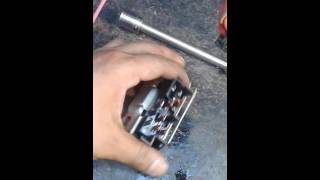
- 1963-1966: The ignition switch is a single unit mounted directly in the dashboard. It has a simple 5-blade terminal on the back. Notably, these original switches did not have an 'Accessory' position.
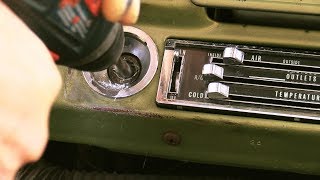
- 1967-1972: For these "Action Line" trucks, the key is in the dash. The ignition switch is the electrical part attached to the back of the lock cylinder assembly. Replacement requires removing the lock cylinder first, which can be done with a paperclip.
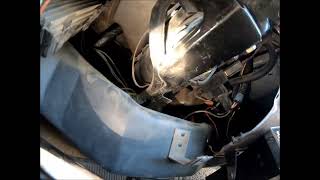
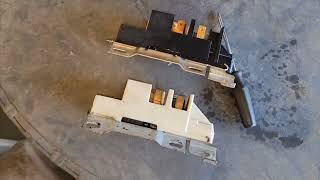
- 1973-1974: In the first years of the "Square Body," the ignition switch is a larger plastic module mounted on top of the steering column, under the dash. It is connected to the key cylinder by a long metal rod.
Common Ordering Mistake
Many owners of 1973-1974 models mistakenly buy the dash-mounted switch from the earlier generation. Verify if your switch is on the dash or on the steering column before ordering.
Choosing the Right Aftermarket Ignition Switch

For a classic truck like the C10, new OEM GM parts are generally unavailable. The aftermarket offers several quality tiers to get your truck running reliably.
Brand Quality Tiers
- Pro-Grade (Standard Ignition): Standard Motor Products (SMP) is a highly regarded aftermarket manufacturer with a long history of making quality ignition components for American vehicles. Reviews often praise their parts for proper fit and durable construction with high-quality copper conductors. For owners who want the best available aftermarket option with the highest likelihood of a trouble-free installation, Standard is a top choice.
- Standard Replacement (Rostra Powertrain): Rostra is known for making a wide variety of automotive electronics. While not as commonly discussed in C10 forums as Standard, they produce direct-fit replacement switches that serve as a reliable, mid-tier option for daily drivers and restorations.
- Economy (Replacement): This category includes various house brands and budget-friendly options. While functional, be aware that some owners have reported fitment issues with lower-cost switches, such as improper casting that makes it difficult to thread the retaining nut. These can offer significant savings but may require more patience or minor adjustments during installation.
| Part | Price Range |
|---|---|
| Aftermarket Ignition Switch | $20.77 - $55.28 |
Pro Tip: Check Your Pigtail
While you're replacing the switch, inspect the wiring connector (pigtail) that plugs into it. After 50+ years, the plastic can become extremely brittle and the terminals can corrode. A bad connection at the pigtail can mimic a failed switch. Replacement pigtails are available and are cheap insurance against future electrical issues.
Frequently Asked Questions (FAQ)

Is the ignition switch the same as the lock cylinder?
No. The lock cylinder is the mechanical tumbler that your key fits into. The ignition switch is the electrical component that the lock cylinder turns. They are sold separately, but are often replaced at the same time, especially if you are changing keys.
Why won't my truck start after installing a new switch?
For 1973-1974 models, the switch is adjustable. It's mounted with slotted holes on the steering column. If it's not positioned correctly, the actuator rod from the key won't engage the start position properly. For all years, double-check that the wiring pigtail is fully seated and that the terminals inside are clean and making good contact.
Can I add an 'Accessory' position to my 1963-1966 C10?
Yes. The original switch for these years did not have an accessory position. However, an ignition switch for a 1961-1963 Chevy Impala is a direct fit for the dash opening and wiring connector, and it includes the accessory function. This is a popular and easy upgrade.
Do I need a special tool for the replacement?
For 1967-1972 models, a special tool exists to remove the slotted bezel nut that holds the switch assembly to the dash. However, many mechanics are able to carefully tap the nut loose with a flathead screwdriver. For 1963-1966 and 1973-1974 models, only standard hand tools are required.
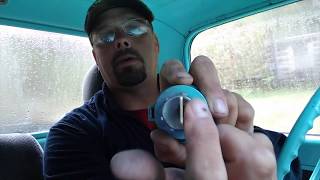
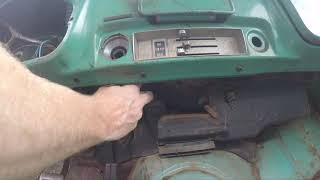
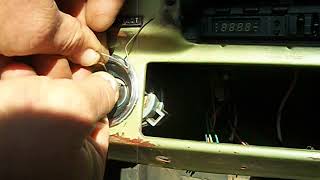
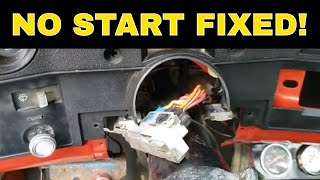
Helpful Videos

Technical Specifications
OEM Part Numbers: 1116683 US84
Varies by year range. 1963-1966 models use a dash-mounted switch with 5 terminals. 1967-1972 models use a dash-mounted switch with a multi-pin connector. 1973-1974 models use a column-mounted rectangular switch with a multi-pin connector and an actuator rod.
We Have This Part in Stock


The information in this article is provided for general reference and educational purposes only. Vehicle specifications, procedures, and part compatibility can vary by production date, trim level, and region. Always consult your vehicle's factory service manual and verify part numbers before purchasing or performing repairs. Safety-critical components such as airbags, seat belts, and braking systems should be installed by a qualified professional.