

A/C Compressor Guide for the 1963-1976 Buick Riviera
Get your classic Riviera's air conditioning working like new by choosing the right replacement A/C compressor.
- Compressor failure requires a full system approach; you must also replace the receiver-drier and expansion valve, and flush the lines to prevent immediate failure of the new part.
- Decide whether to stay with original R12 refrigerant or convert to modern R134a, as this determines which type of oil you must use.
- New aftermarket compressors from brands like ACDelco and Four Seasons are reliable replacements for the original Harrison A6 unit.
- Properly oiling the new compressor and pulling a deep vacuum on the system before recharging are critical steps for a successful and long-lasting repair.
Signs of a Failing A/C Compressor
When your Riviera's A/C compressor starts to fail, it will give you several warning signs. Ignoring them can lead to more expensive repairs down the road. A complete failure can send metal debris throughout the entire A/C system, requiring a much more extensive and costly flush and component replacement.
- No Cold Air: The most obvious symptom. If the compressor isn't engaging or can't build pressure, you won't get cold air from the vents.
- Strange Noises: Grinding, squealing, or knocking sounds when the A/C is turned on often point to failing internal bearings or a bad clutch.
- Leaking Refrigerant: The original A6 compressors were known to leak oil and refrigerant from the front shaft seal over time. You might see oily residue on the compressor body.
- Clutch Not Engaging: The outer part of the compressor pulley should spin with the engine belt, but the inner hub only engages when you turn on the A/C. If it doesn't click on, it could be a bad clutch, a blown fuse, or a low-pressure lockout due to a leak.
Choosing the Right New Aftermarket Compressor
For a classic car like the 1963-1976 Riviera, you won't find a "new OEM" compressor from GM. Your options are new aftermarket units or remanufactured ones. This guide focuses on new aftermarket parts, which offer modern manufacturing reliability without the risk of using a worn-out core.
A Note on R12 vs. R134a Refrigerant
Your Riviera's original A/C system used R12 refrigerant, which is no longer produced and is expensive. Most owners convert to modern R134a refrigerant during a compressor replacement. New compressors are generally compatible with either, but you MUST use the correct oil: mineral oil for R12, and PAG or Ester oil for R134a. Using the wrong oil will destroy your new compressor. The conversion also requires new service port fittings and a thorough system flush.
Available Brands for Your Riviera
When shopping for a new compressor, you'll mainly encounter these brands. They all offer direct-fit replacements for the original Harrison A6 style.
| Brand | Quality & Reputation | Notes |
|---|---|---|
| ACDelco | Good | As GM's official parts arm, ACDelco offers new service-replacement compressors. While not the same as the original 1960s part, they are built to GM standards and are a trusted choice. They often have a strong warranty. |
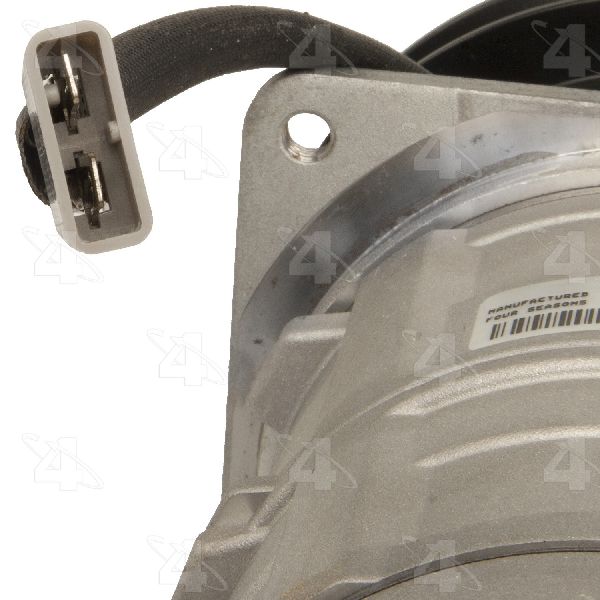
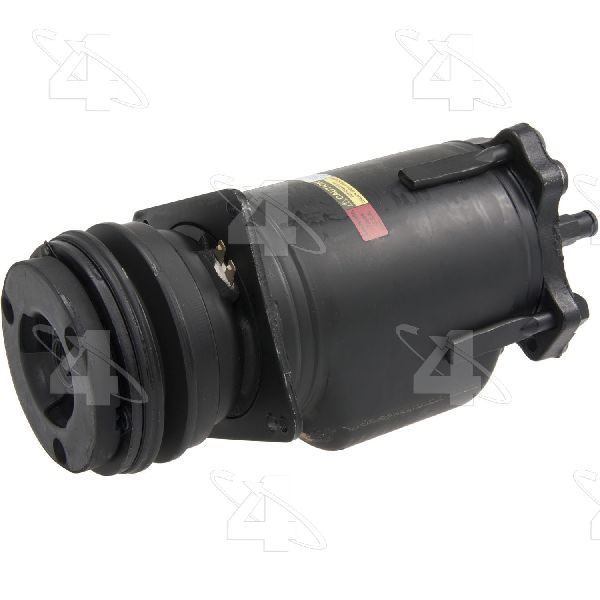
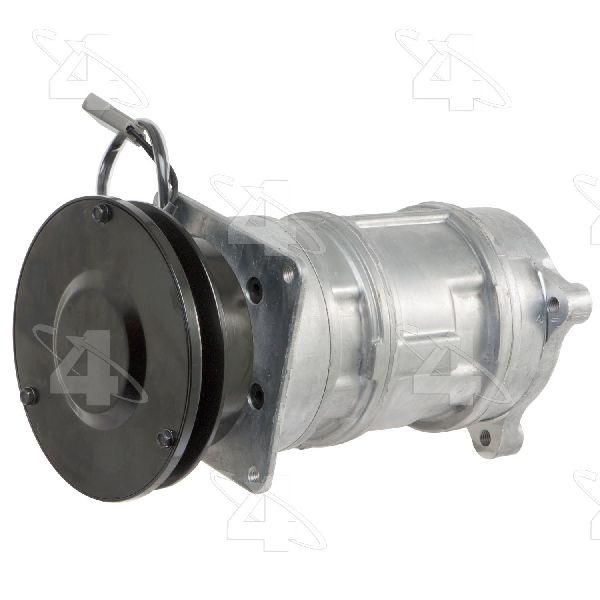
| Four Seasons | Good | A very well-known and large aftermarket manufacturer. Many professional mechanics and DIYers have had good experiences with their new and remanufactured units, finding them to be a reliable balance of price and quality. |
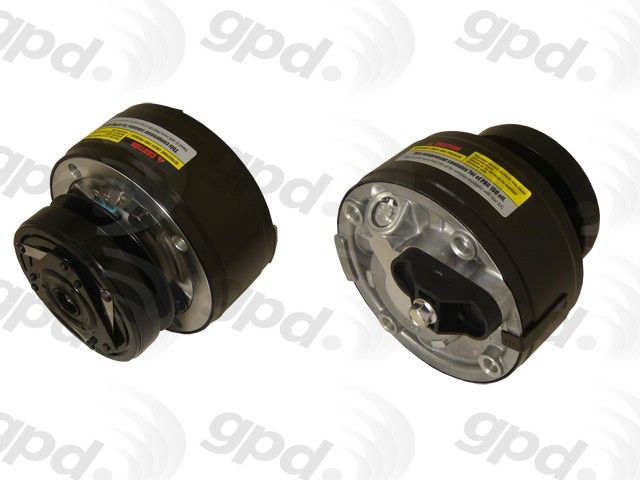
| Global Parts Distributors (GPD) | Standard | GPD is another major supplier offering affordable options. While some users have had success, others have reported issues, making them more of a budget-conscious choice. The quality of the installation is critical with any brand, but especially so here. |
Pro Tip: Always Replace More Than Just the Compressor
When a compressor fails, it's almost guaranteed to have contaminated the system with metal shavings. To ensure your new compressor lasts, you must also replace the receiver/drier (or accumulator) and the expansion valve/orifice tube. The rest of the system, including the condenser and evaporator, must be thoroughly flushed. Many brands sell kits that include these necessary components.
Frequently Asked Questions
Can I replace my Riviera's A/C compressor myself?
Yes, if you are mechanically inclined. The physical replacement is straightforward, involving unbolting the old unit and installing the new one. However, the A/C system must be legally and safely evacuated of refrigerant before starting and properly vacuumed and recharged after installation. This requires special tools like a manifold gauge set, a vacuum pump, and a refrigerant recovery machine.
Do I need to add oil to the new compressor?
Yes, this is a critical step. Most new compressors ship with only a small amount of assembly oil, or sometimes a full charge of a specific oil type. You must verify the amount and type of oil in the new compressor and add the correct amount of the correct type (PAG or Ester for R134a, Mineral for R12) for your specific system. Refer to the service manual or the compressor's instructions.
What is a POA valve and do I need to worry about it?
Many early GM A/C systems, including those in Rivieras, used a POA (Pilot-Operated Absolute) valve instead of a cycling clutch switch to regulate evaporator temperature. These can be troublesome. When converting to R134a, many owners use a POA eliminator kit which converts the system to a more modern cycling clutch design. This is often sold as part of an update package.
What is the difference between a new and remanufactured compressor?
A new compressor is made from all-new components. A remanufactured compressor starts with an original used core (an old OEM unit) which is disassembled, cleaned, inspected, and rebuilt with new seals, bearings, and other wear items. While remanufactured parts can be a good value, their quality can be inconsistent. For a critical component like a compressor, a new aftermarket unit is often the more reliable choice.
Technical Specifications
OEM Part Numbers: 5910503
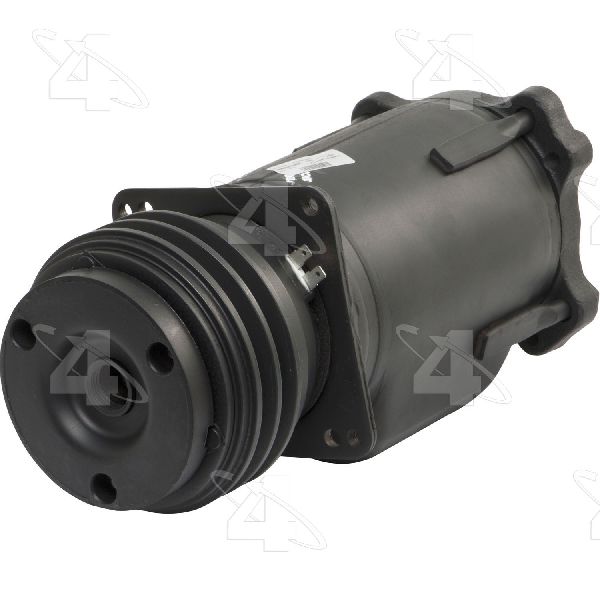
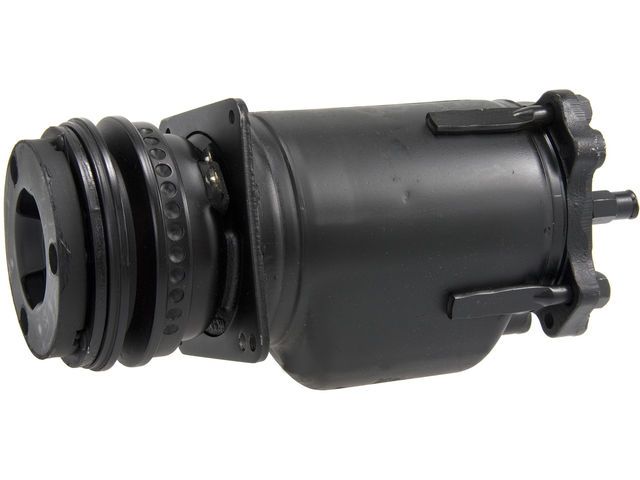
The original compressor for most 1963-1976 Buick Rivieras is the General Motors / Harrison A6 6-piston axial compressor. It typically uses a single or double V-groove pulley. Aftermarket replacements are designed as direct-fit units compatible with both R12 and R134a refrigerants, provided the correct system oil is used.
We Have This Part in Stock

The information in this article is provided for general reference and educational purposes only. Vehicle specifications, procedures, and part compatibility can vary by production date, trim level, and region. Always consult your vehicle's factory service manual and verify part numbers before purchasing or performing repairs. Safety-critical components such as airbags, seat belts, and braking systems should be installed by a qualified professional.