

A Guide to Spark Plug Wire Sets for the 1963-1977 Chevrolet Impala
Restore your classic Impala's ignition performance by choosing the right set of spark plug wires.
- Failing wires cause noticeable issues like rough idle, misfires, and poor acceleration; these classic cars won't give you a Check Engine light code.
- Modern aftermarket wires from brands like ACDelco, MSD, or Taylor are often a quality upgrade over the original 1960s technology.
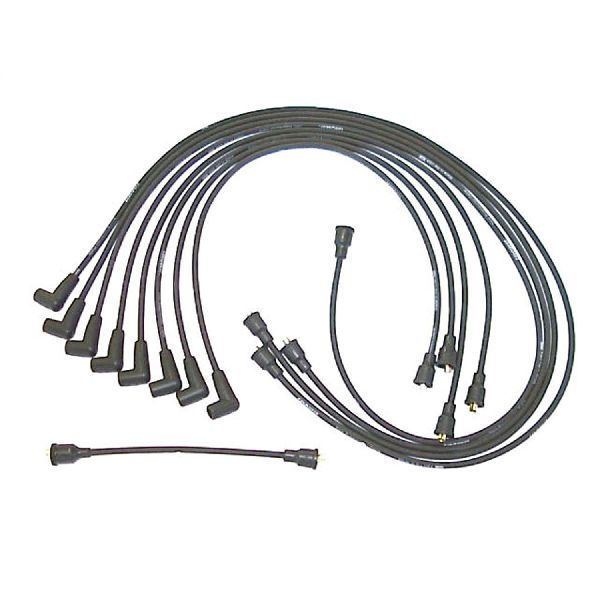
- Ensure you buy a set with the correct wire lengths and spark plug boot angles for your specific Impala engine (V8 or I6) to avoid contact with hot exhaust parts.
- Replacing spark plug wires is a simple, beginner-friendly DIY task that can be completed in under an hour.
Signs of Failing Spark Plug Wires
After decades of exposure to engine heat, vibration, and chemicals, the original spark plug wires on a 1963-1977 Impala are almost certainly due for replacement. Worn-out wires can't deliver the strong, consistent spark your engine needs. Look for these common symptoms:
- Rough Idle: If the engine shakes or idles unevenly, it could be because bad wires are causing inconsistent ignition in one or more cylinders.
- Engine Misfires: You might feel a stumble or hesitation from the engine, especially under acceleration. This can be caused by electrical energy from the wire failing to reach the spark plug.
- Poor Acceleration: A noticeable loss of power when you step on the gas can indicate that the cylinders aren't firing efficiently due to degraded wires.
- Reduced Fuel Economy: When your engine isn't burning fuel efficiently because of weak spark, your gas mileage will suffer.
- Difficulty Starting: While many issues can cause hard starts, failing wires can prevent the spark plugs from getting the initial strong jolt needed to fire up the engine.
- Visible Damage: Check the wires for any cracks, melting, or burn spots on the outer insulation. Sometimes, in the dark, you can even see a faint blue spark arcing from a bad wire to a metal part of the engine.
A Note on Check Engine Lights
Unlike modern cars, Impalas from this era do not have an OBD-II diagnostic system or a Check Engine Light that will point directly to a failing spark plug wire. Diagnosis relies on observing these physical symptoms.
Choosing the Right Aftermarket Wires
For a classic vehicle like the 1963-1977 Impala, new original equipment (OEM) wires from GM are generally not available. However, the aftermarket offers a wide range of options that are often significant upgrades over the original 1960s and 70s technology in terms of durability and performance. The key is to choose a set that matches your engine (6-cylinder or V8) and your performance needs.
Brand & Quality Tiers
Spark plug wires for your Impala can be grouped into a few general categories:
| Tier | Brands | Best For |
|---|---|---|
| Performance | MSD, Accel, Taylor Cable, Pertronix, FAST, Edelbrock | Owners with modified engines (upgraded ignition, headers, etc.) seeking maximum spark delivery. These often feature thicker 8mm (or larger) silicone jackets and low-resistance spiral-wound cores for better heat resistance and voltage transfer. |
| OEM-Quality Replacement | ACDelco, NGK, Denso, Delphi, Standard Wires | The majority of Impala owners with stock or mildly-tuned engines. These wires provide reliable, long-lasting performance that meets or exceeds original factory specifications. ACDelco is often considered the closest to the original GM part. |
| Value | Walker Products and various store brands | Owners needing a functional, budget-friendly replacement for a daily driver. While they get the job done, they may not offer the same longevity or performance characteristics as higher-tier brands. |
Pro Tip: Check Length and Boot Style
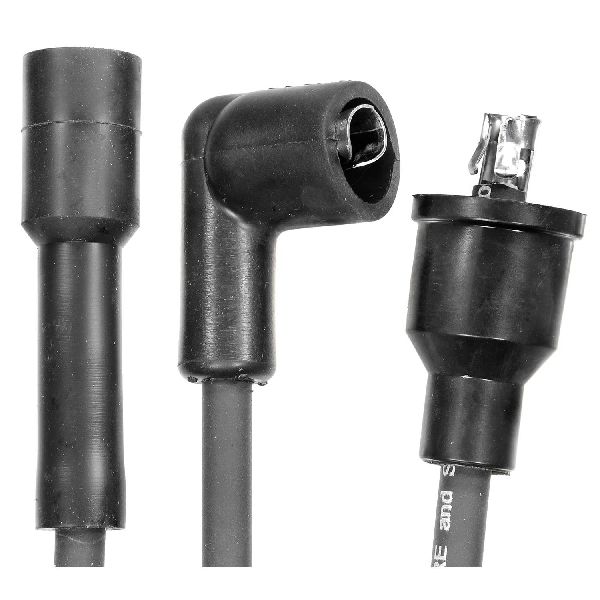
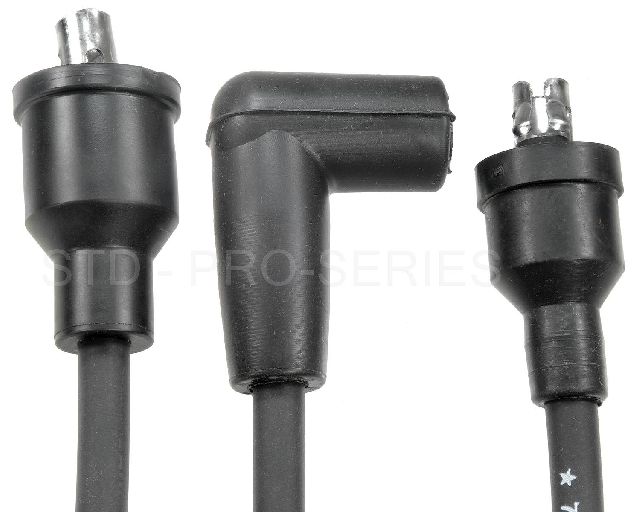
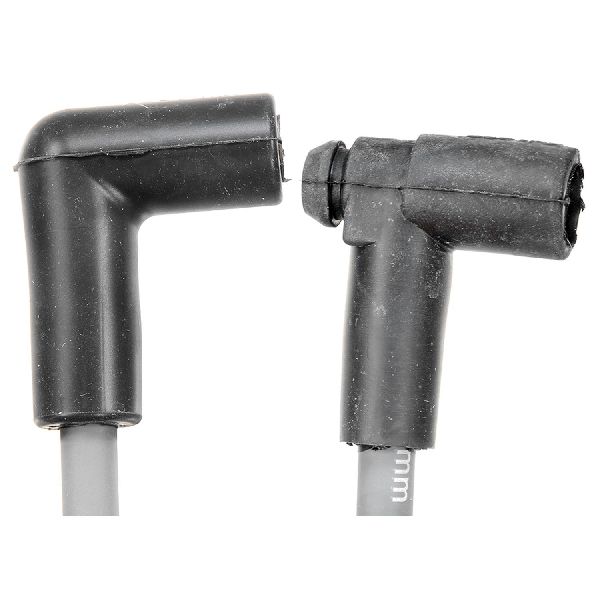
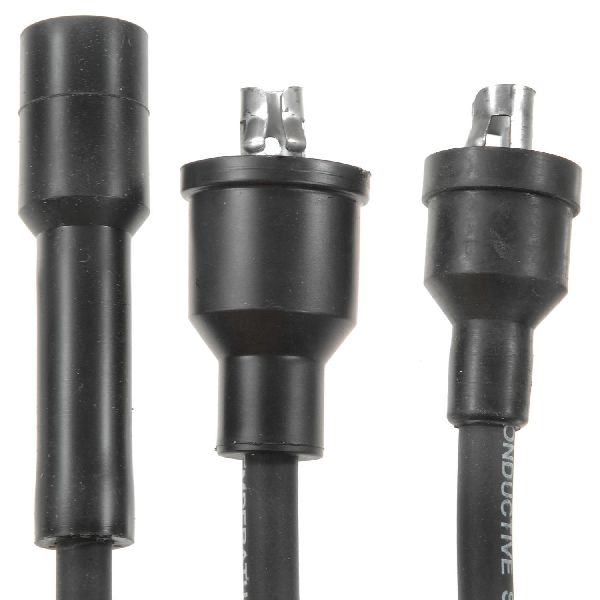
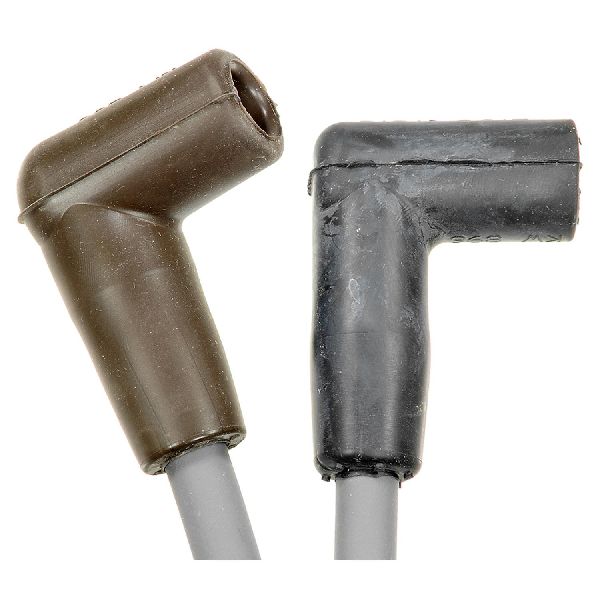
Impalas used various engines and exhaust manifolds over this 15-year span. Ensure the wire set you buy has the correct lengths and spark plug boot angles (straight, 45-degree, or 90-degree) for your specific application to ensure a clean installation and avoid contact with hot exhaust manifolds. Some owners prefer "universal" or "cut-to-fit" kits for a custom installation.
Frequently Asked Questions
Do I need special wires for my V8 engine?
You need a wire set designed for a V8, which will include 8 spark plug wires plus a coil wire. The most important factor is getting a set with the correct lengths and boot angles to fit your specific V8 (e.g., 283, 327, 350, 396, 454), as wire routing can differ.
What is the difference between 7mm and 8mm (or larger) wires?
The measurement refers to the diameter of the wire's outer jacket. A thicker wire, like 8mm or 8.5mm, generally offers better insulation against heat and electrical interference ("crosstalk"). While a stock engine runs perfectly fine on standard 7mm wires, performance wires are often thicker to accommodate their lower-resistance cores and provide extra durability.
How often should I replace my spark plug wires?
For a classic car that may not be driven daily, there isn't a strict mileage interval. It's best to inspect them annually for signs of wear like cracking, brittleness, or melting. As a general rule, if you are replacing the spark plugs, it is a good idea to replace the wires at the same time, especially if they are more than a few years old.
Should I choose a wire set based on its electrical resistance?
For a stock or near-stock Impala, no. A quality set from a reputable brand like ACDelco or NGK will have the appropriate resistance to deliver a strong spark while also suppressing radio frequency interference (RFI) that can cause static in your AM/FM radio. High-performance, low-resistance wires (like those from MSD) are designed for modified ignition systems and can sometimes cause radio static or other electrical issues in a stock setup.
Technical Specifications
Key specifications to consider are the number of wires (6+1 for I6, 8+1 for V8), wire diameter (typically 7mm for stock, 8mm+ for performance), core type (carbon/graphite for stock, spiral core for performance), and spark plug boot angle (straight, 90-degree, or 135-degree).
We Have This Part in Stock

The information in this article is provided for general reference and educational purposes only. Vehicle specifications, procedures, and part compatibility can vary by production date, trim level, and region. Always consult your vehicle's factory service manual and verify part numbers before purchasing or performing repairs. Safety-critical components such as airbags, seat belts, and braking systems should be installed by a qualified professional.