

Jeep Wagoneer Alternator Guide for 1963-1977 Models
Keep your classic 1963-1977 Jeep Wagoneer running strong by understanding its charging system.
- Symptoms of failure are straightforward: dim/flickering lights, a weak battery, and whining noises.
- Upgrading to a higher amperage alternator (90A+) is highly recommended, especially if you have added any modern electronics.
- The replacement is a simple DIY job for most owners, requiring basic tools and about 1-2 hours.
- Choose brands like Powermaster for high-output needs, Crown for quality stock replacement, and Remy or WAI for value.
Signs of a Failing Alternator in a Classic Wagoneer
An alternator failure in a 1963-1977 Wagoneer gives you some classic warning signs. Because these Jeeps have simpler electrical systems, the symptoms are often very direct and noticeable.
- Dimming Lights: One of the most common signs is headlights and dashboard lights that are dim or flicker. They might get brighter as you rev the engine and dimmer when you idle. This shows the alternator isn't producing consistent power.
- "Check Gauges" or Battery Light: If your Wagoneer has a battery or "ALT" light on the dash, it will likely light up if there's a charging problem.
- Weak or Dead Battery: The alternator is supposed to recharge the battery. If you find your battery is frequently dead, even after a jump start, the alternator is the likely suspect. The engine may run only until the battery's reserve power is gone.
- Whining or Grinding Noises: Unusual noises from the front of the engine can point to bad bearings inside the alternator.
- Slow Starting: If the engine cranks over slowly, it's a sign the battery isn't getting a full charge from the alternator.
Don't Mistake a Bad Belt for a Bad Alternator
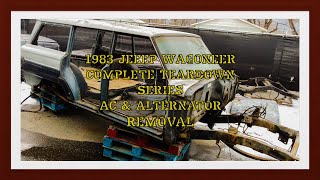
Before you replace the alternator, always check the drive belt. A loose, cracked, 🎬 Learn how to remove the AC bracket and alternator. or glazed belt can't spin the alternator pulley correctly, leading to charging problems that mimic a failed alternator. It's a much cheaper and easier fix, so inspect it first.
Choosing the Right Aftermarket Alternator
For a classic vehicle like the 1963-1977 Wagoneer, new OEM (Original Equipment Manufacturer) parts are not available. Aftermarket parts are your only option for a new unit. The quality can vary, so it's important to choose wisely.
Performance Tier: High-Output Upgrades
Powermaster: This brand specializes in high-performance and high-output alternators. If you've added modern accessories like a powerful stereo, off-road lights, or a winch, a high-amperage Powermaster unit is a smart upgrade. Stock alternators from this era had very low amperage (sometimes 42-78 amps), which is not enough for modern demands. Powermaster units can offer 150 amps or more and are often designed as direct-fit upgrades.
Jeep Specialist Tier: Quality Replacements
Crown Automotive: Crown is a well-known brand that specializes in replacement parts for Jeeps. They offer direct-fit replacement alternators that are a good option for restorations or for owners who want a quality part without needing a high-output upgrade. Their parts are designed to meet or exceed the original factory specifications.
Standard Tier: Good Value Options
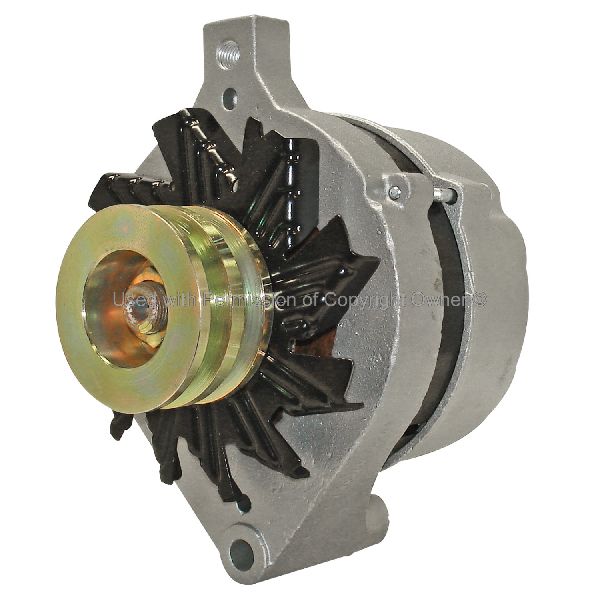
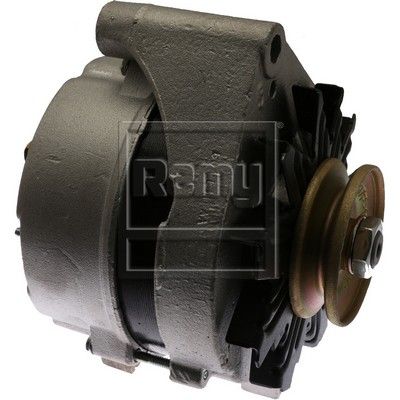
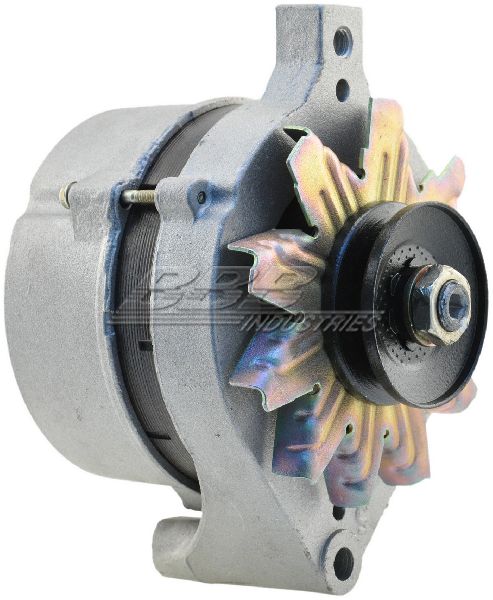
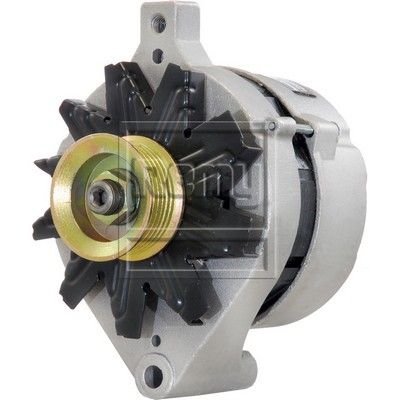
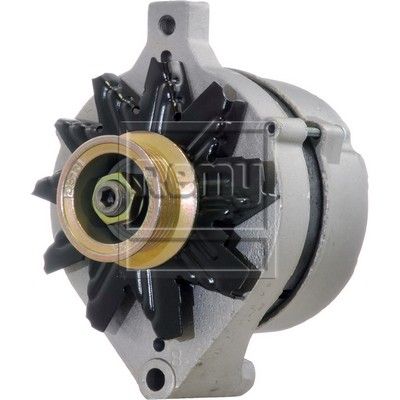
Remy, WAI Global, BBB Industries, MPA: These brands are common in the general auto parts market and offer reliable, standard-replacement alternators. Remy, formerly Delco-Remy, has a long history in automotive electrical systems and is generally well-regarded. WAI Global is another large manufacturer of new alternators. These brands are a good choice for a daily driver with stock electrical needs, providing a balance of quality and cost.
Pro Tip: Consider an Upgrade
Even if your Wagoneer is mostly stock, upgrading to a slightly higher amperage alternator (e.g., 90-100 amps) can provide a more stable electrical system, brighter lights, and a healthier battery. The original low-amperage units were barely adequate even when new.
Known Issues, Recalls, and Bulletins
Due to the age of the 1963-1977 Jeep Wagoneer, there are no active recalls or modern Technical Service Bulletins (TSBs) from NHTSA related to the alternator. Any original recalls or service actions would have expired decades ago. The most common "issue" is simply the original alternator's low amperage output, which is insufficient for modern use. Owners on forums frequently discuss upgrading to a more powerful Delco-Remy style alternator for better reliability and performance.
Cost to Replace a 1963-1977 Jeep Wagoneer Alternator
| Part Type | Estimated Cost |
|---|---|
| New Aftermarket Alternator | $45 - $290 |
| Shop Labor | $100 - $200 |
| Total Estimated Cost | $145 - $490 |
Cost estimates are for general guidance. Prices for parts and labor can vary significantly based on your location, the specific brand chosen, and the repair shop.
Frequently Asked Questions
Can I replace the alternator myself?
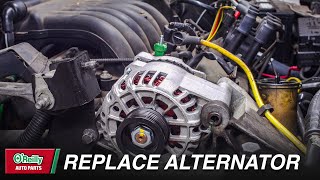
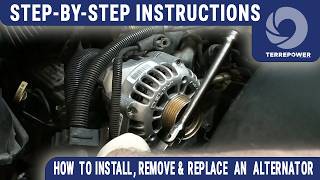
Yes, for most owners with basic mechanical skills and tools, this is a very feasible DIY job. The alternator is typically easy to access on these older engines. The process involves disconnecting the battery, loosening the drive belt, unbolting the alternator, and swapping the electrical connections. 🎬 Watch this step-by-step guide on how to replace an alternator. The difficulty is generally low.
🎬 See a classic Jeep Wagoneer alternator replacement in action.Do I need a special alternator for my Wagoneer?
While many alternators might look similar, you need one that is specifically listed for the 1963-1977 Jeep Wagoneer. This ensures the mounting brackets and pulley alignment are correct for your specific engine (V8 or 6-cylinder). Some replacement units may require you to swap the pulley from your old alternator to the new one.
What does the amperage rating mean?
Amperage (or "amps") is a measure of electrical output. A higher amp rating means the alternator can power more accessories and charge the battery more effectively. Original alternators were often in the 40-70 amp range, while modern upgrades can be 100 amps or more.
Is a remanufactured alternator a good option?
While this guide focuses on new aftermarket parts, remanufactured units are also available. The quality of remanufactured parts can be inconsistent. Some owners prefer to have their original alternator rebuilt by a local specialist shop to maintain originality. However, for reliability and warranty purposes, a new aftermarket unit is often the preferred choice.
Helpful Videos

Technical Specifications
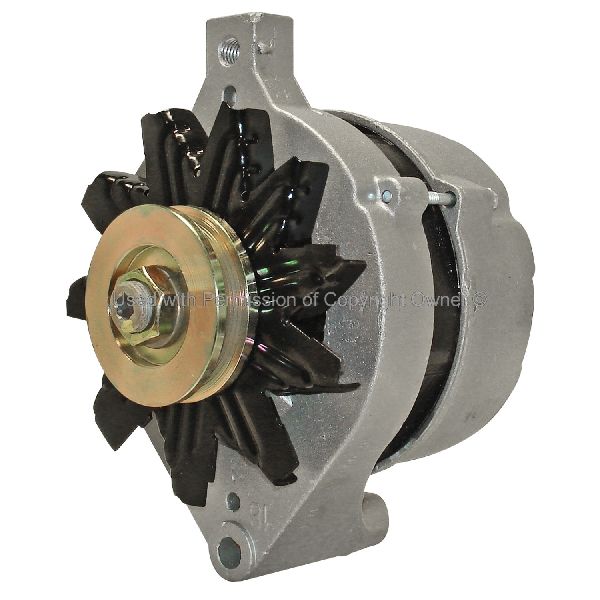
OEM Part Numbers: J8134663 J8134664 J8134666
Amperage: 42A to 78A (Original), up to 200A+ (Aftermarket Upgrades). Voltage: 12V. Drive Type: V-Belt (single or dual pulley depending on year/engine). Regulator: Typically externally regulated in early years, moving to internally regulated (Delco SI style) in later years of this range.
We Have This Part in Stock

The information in this article is provided for general reference and educational purposes only. Vehicle specifications, procedures, and part compatibility can vary by production date, trim level, and region. Always consult your vehicle's factory service manual and verify part numbers before purchasing or performing repairs. Safety-critical components such as airbags, seat belts, and braking systems should be installed by a qualified professional.
- 🎬 Helpful Videos
- 🛍️ Shop This Part
- Signs of a Failing Alternator in a Classic Wagoneer
- Don't Mistake a Bad Belt for a Bad Alternator
- Choosing the Right Aftermarket Alternator
- Performance Tier: High-Output Upgrades
- Jeep Specialist Tier: Quality Replacements
- Standard Tier: Good Value Options
- Pro Tip: Consider an Upgrade
- Known Issues, Recalls, and Bulletins
- Cost to Replace a 1963-1977 Jeep Wagoneer Alternator
- Frequently Asked Questions
- 🎟️ Get 5% Off