

Chevrolet Impala Alternator Guide: 1963-1980 Replacement and Upgrade Options
Keep your classic 1963-1980 Impala's charging system reliable by choosing the right alternator.
- The most critical step is to correctly identify if your Impala needs an externally or internally regulated alternator before ordering.
- For a stock vehicle, a standard 63-amp replacement from a brand like ACDelco or Bosch is sufficient.
- If you have added electronics like a large stereo or electric fans, choose a high-output alternator (100+ amps) from a brand like Powermaster.
- Replacing the alternator is a simple DIY job on these cars, typically taking 1-2 hours with basic tools.
Is My Impala's Alternator Failing?

An alternator rarely fails without warning. For 1963-1980 Impalas, the signs are usually straightforward. Because these vehicles pre-date modern complex electronics, you won't get a specific error code. Instead, you need to watch for physical symptoms.
- Dimming or Flickering Lights: Headlights and dash lights that dim at idle and brighten when you rev the engine are a classic sign of a weak alternator.
- 'GEN' or 'ALT' Warning Light: A red warning light on your dashboard shaped like a battery or labeled 'GEN' (for generator) or 'ALT' (for alternator) indicates a problem in the charging system.
- Weak or Dead Battery: If you need to jump-start your car frequently, the alternator may not be recharging the battery properly. A car that starts with a jump but dies shortly after points to a bad alternator.
- Strange Noises: A whining or grinding sound from the engine bay that changes pitch with engine speed often points to failing bearings inside the alternator. A squealing noise could be a loose or worn drive belt.
- Slow Electrical Accessories: Power windows that move slowly, weak wipers, or a radio that cuts out can be caused by the alternator not providing enough power.
Choosing the Right Aftermarket Alternator


When shopping for a new alternator for your '63-'80 Impala, the most important decision is choosing one that fits your car's specific year and electrical needs. Aftermarket parts for this car are widely available and often provide excellent quality and value.
Critical Check: Internal vs. External Regulator
The single biggest mistake when ordering an alternator for a 1963-1980 Impala is getting the wrong voltage regulator type. GM switched from external to internal regulators around 1972-1973.
- Externally Regulated (Approx. 1963-1972): These systems have a separate metal box (the voltage regulator) mounted on the firewall or inner fender. The alternator itself has a plug connector on the back with two prongs arranged vertically {II}.
- Internally Regulated (Approx. 1973-1980): The regulator is built into the alternator. The plug connector is usually on the side, with two prongs arranged horizontally {--}.
Always verify which system your car has before ordering. Installing the wrong type will not work.
Aftermarket Brand Tiers
Your choice of brand depends on your car's setup and your budget.
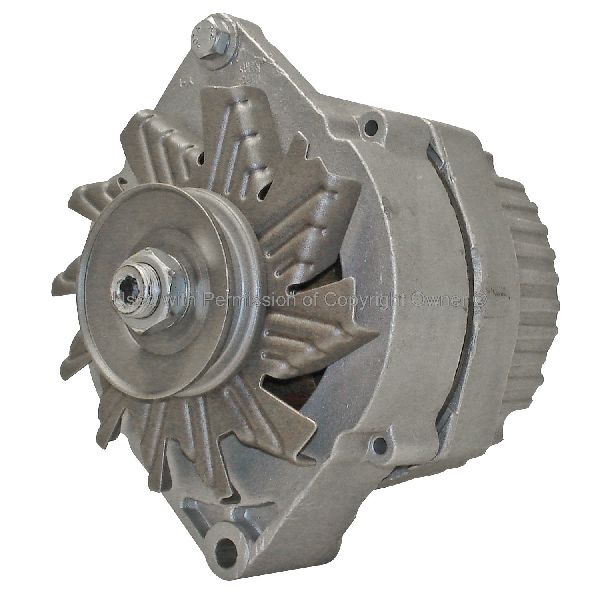
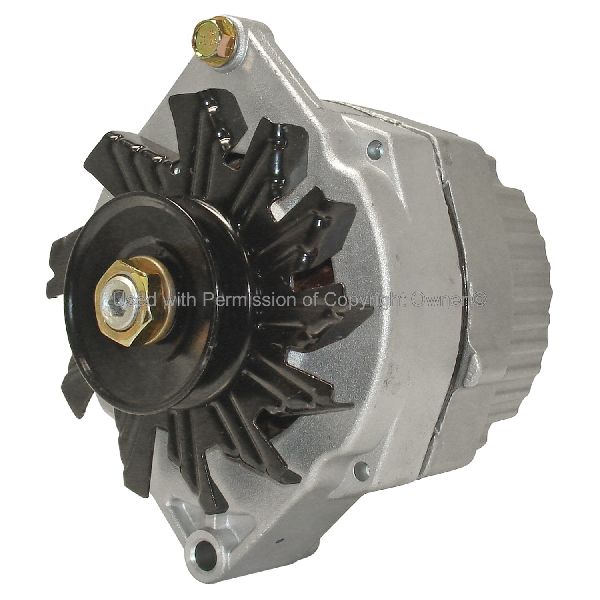
- Standard OE-Style Replacements: For a stock Impala without major electrical upgrades, a standard replacement is a great choice. Brands like ACDelco (the original GM parts supplier), Bosch, and Remy offer reliable, direct-fit units that perform like the original. They provide a good balance of quality and price.
- High-Output & Performance Upgrades: If you've added a powerful sound system, electric cooling fans, fuel injection, or other modern accessories, you'll need more power than the stock alternator can provide. Brands like Powermaster and Proform specialize in high-amperage alternators (100 amps or more) that can handle the extra load. These often come in polished or chrome finishes for a custom look. Some user reviews for performance brands are mixed, with some reporting reliability issues, so consider the warranty.
What is a "One-Wire" Alternator?
Many performance alternators are sold as "one-wire" units. This design simplifies wiring, making it popular for custom cars. It only requires a single heavy-gauge wire running from the alternator's output post directly to the battery. This can be a great upgrade, but be aware that it often bypasses the original 'GEN' dash light, and some units may not start charging until the engine is revved above idle.
Cost of a New Aftermarket Alternator (1963-1980 Impala)

| Part Type | Estimated Cost |
|---|---|
| New Aftermarket (Standard) | $60 - $180 |
| New Aftermarket (High-Output/Performance) | $150 - $585+ |
| Remanufactured Aftermarket | $50 - $130 |
| Shop Labor for Installation | $100 - $200 |
Cost estimates are approximate and can vary based on brand, amperage, finish, and local labor rates.
Frequently Asked Questions
Do I need a high-output alternator?
If your Impala is mostly stock, a standard replacement (typically around 63 amps) is perfectly fine. You only need a high-output alternator (100+ amps) if you have added significant electrical accessories like a large stereo amplifier, electric fans, or an aftermarket fuel injection system that draw more power than the original system was designed for.
How do I know for sure if I have an internal or external regulator?
The easiest way is to look for the voltage regulator itself. It's a small, rectangular metal box, usually black or silver, mounted on your firewall or inner fender well. If you see this box, you have an external regulator system. If you don't, and the wiring goes directly to a plug on the alternator, it's internally regulated. You can also identify them by the plug on the alternator itself.
Is replacing the alternator a difficult job?
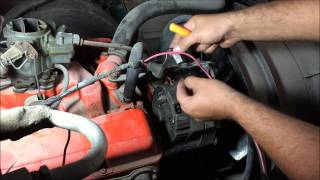
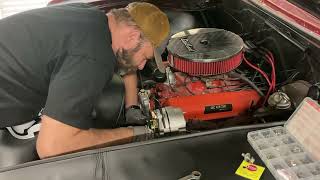
No, for this generation of Impala, it is a relatively simple job for someone with basic mechanical skills and hand tools. The process involves disconnecting the battery, loosening the alternator to release belt tension, removing the belt, disconnecting the wires, and unbolting the unit. Access is generally good on these cars. The estimated time is 1-2 hours.
If I upgrade to an internally regulated alternator, what do I do with the old external regulator?
When converting from external to internal regulation, the old regulator box is no longer needed. It can be unplugged and removed. You will need to perform minor wiring modifications to bypass the old regulator circuit. Kits and diagrams for this conversion are widely available online.
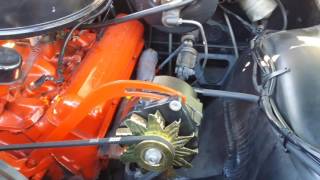
Helpful Videos

Technical Specifications
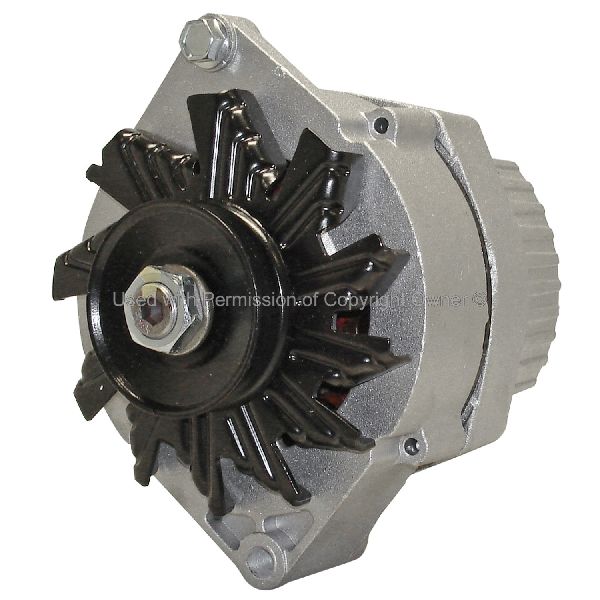
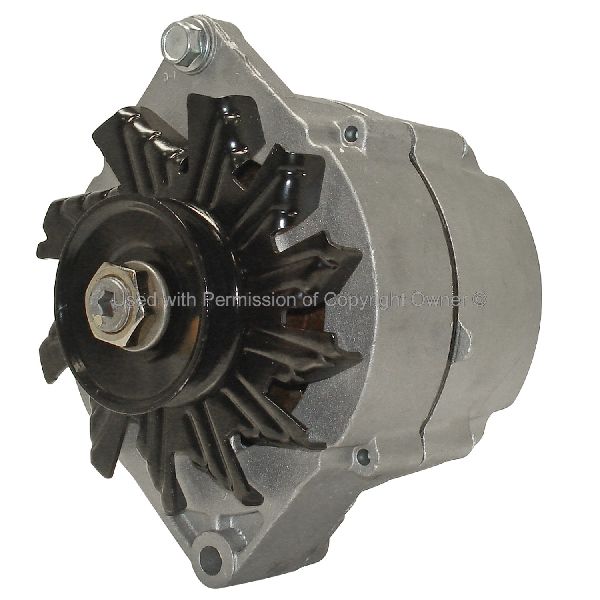
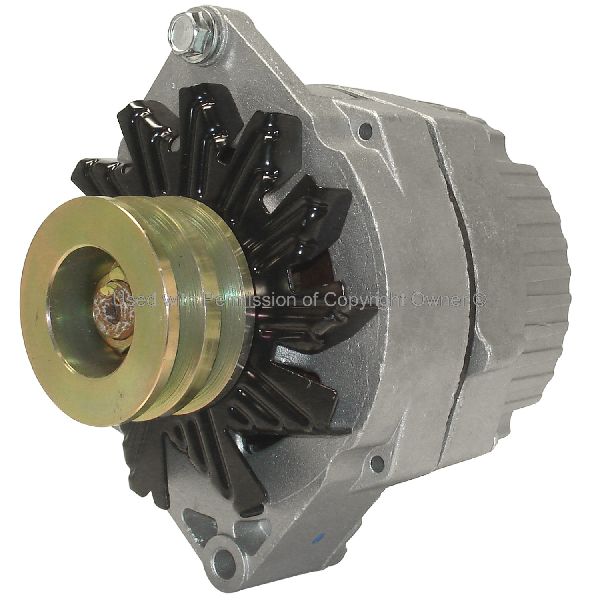
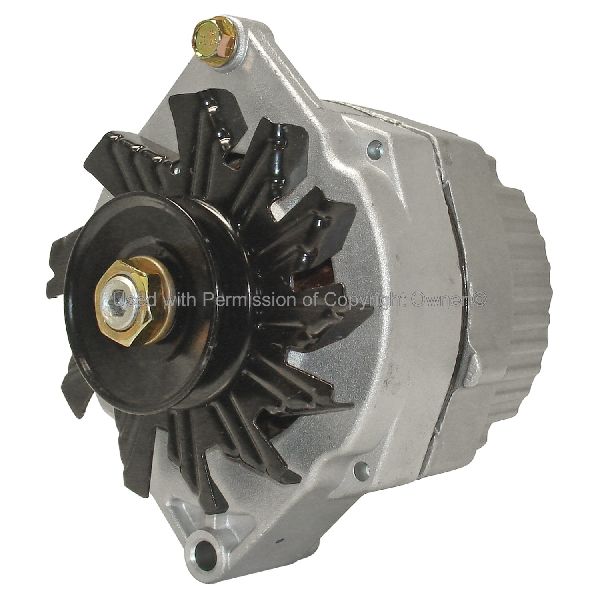
Regulator Type: External (approx. 1963-1972) or Internal (approx. 1973-1980). Common Stock Amperage: ~63 Amps. Pulley Type: Single V-Groove.
We Have This Part in Stock

The information in this article is provided for general reference and educational purposes only. Vehicle specifications, procedures, and part compatibility can vary by production date, trim level, and region. Always consult your vehicle's factory service manual and verify part numbers before purchasing or performing repairs. Safety-critical components such as airbags, seat belts, and braking systems should be installed by a qualified professional.
- 🎬 Helpful Videos
- 🛍️ Shop This Part
- Is My Impala's Alternator Failing?
- Choosing the Right Aftermarket Alternator
- Critical Check: Internal vs. External Regulator
- Aftermarket Brand Tiers
- What is a "One-Wire" Alternator?
- Cost of a New Aftermarket Alternator (1963-1980 Impala)
- Frequently Asked Questions
- 🎟️ Get 5% Off