

A Ford F-100 Owner's Guide to the 1963-1983 Voltage Regulator
Keep your classic Ford's charging system healthy by choosing the right external voltage regulator.
- Always choose a modern, solid-state electronic regulator over a mechanical one for improved reliability.
- Symptoms like a dead battery or dim lights can have multiple causes; test the charging system before replacing parts.
- Installation is a simple DIY job, but ensuring a clean metal-to-metal ground connection is critical for proper function.
- Overcharging is a critical failure that can destroy your battery and damage other electronics; address it immediately.
Understanding Your F-100's Voltage Regulator
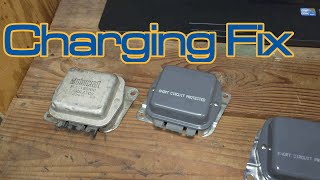
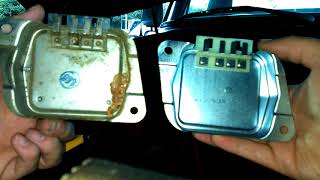
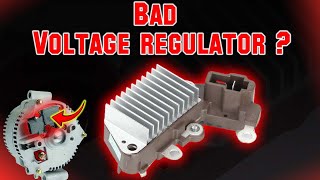
If you own a classic 1963-1983 Ford F-100, you have an external voltage regulator. This is different from modern cars that have the regulator inside the alternator. Early F-100s in this range used a mechanical (points-style) regulator, which was prone to issues as the contact points wore out or got stuck. Most aftermarket replacements today are modern, solid-state electronic units. These are far more reliable and are a highly recommended upgrade for any F-100 owner. They provide a more stable voltage, which is better for your battery and all other electronics.
Common Symptoms of a Failing Voltage Regulator
A bad voltage regulator can cause confusing electrical problems. Because it controls the charging system's voltage, failure can lead to either undercharging or overcharging the battery.
- Dimming or Flickering Lights: Your headlights and dash lights may dim at idle and brighten as you rev the engine. This indicates the voltage is not being properly controlled.
- Dead Battery: If the regulator isn't letting the alternator charge enough, your battery will slowly drain as you drive, eventually leaving you stranded.
- Overcharging and Boiling Battery: If the regulator fails in the other direction, it can send too much voltage (16+ volts) to the battery. This can cause the battery to overheat, boil the electrolyte inside (which may produce a rotten egg smell), and permanently damage it. 🎬 Watch: A breakdown of common bad voltage regulator symptoms
- Erratic Gauge Behavior: The factory ammeter or battery warning light may give you clues. An ammeter reading consistently on the "D" (discharge) side can point to an undercharging problem.
Warning: Test Before Replacing
These symptoms can also be caused by a bad alternator, a weak battery, or poor wiring connections. It's wise to test the whole charging system before buying parts. A simple test involves using a multimeter to check the battery voltage with the engine off (should be ~12.5V) and then with the engine running (should be ~13.5-14.5V). A reading that's too low or too high when running points to a charging system problem.
🎬 See how to test your Ford truck's voltage regulatorChoosing the Right Aftermarket Regulator
Original Ford/Motorcraft mechanical regulators are now collector's items. The market for your F-100 consists of aftermarket electronic replacements. The general consensus among owners is that a quality electronic unit is a significant upgrade over the original mechanical style.
When shopping, you'll see brands like Standard Ignition and more generic "Replacement" brands.
- Standard Ignition (Pro Tier): Standard Motor Products (SMP) is a well-known aftermarket manufacturer. Their parts are generally considered reliable, and they often use features like epoxy-encapsulated circuit boards to resist vibration and corrosion. For a critical component like a voltage regulator, spending a little more on a trusted brand like Standard is a good investment.
- Replacement (Economy Tier): These are typically the lowest-priced options. While they may function correctly, quality can be inconsistent. Some owners report these parts being dead-on-arrival or failing prematurely. They can be a budget-friendly choice, but there is a higher risk compared to a more established brand.
Pro Tip: Ensure a Good Ground
No voltage regulator will work correctly without a good ground connection. The regulator's metal case must be bolted to a clean, bare-metal spot on the body. Before installing your new regulator, take a moment to scrape away any paint, rust, or grime from the mounting location and the back of the regulator to ensure a solid ground. Also, always bolt the regulator down *before* plugging in the wiring harness to prevent damage.
| Part Type | Estimated Cost |
|---|---|
| New Aftermarket (Replacement, Standard Ignition) | $39.14 - $146.13 |
| New OEM (Motorcraft NOS) | Not commonly available, can be expensive for collectors |
| Shop Labor for Installation | $50 - $150 |
Frequently Asked Questions
Where is the voltage regulator located on my F-100?
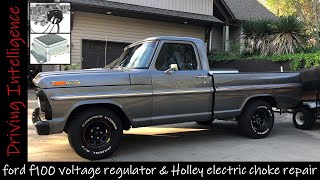
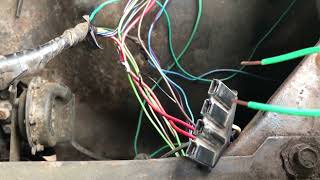
It is an external regulator, typically a small metal box mounted on the radiator core support near the battery or on the firewall in the engine bay.
Can I replace the voltage regulator myself?
Yes, this is a very easy job for a DIY mechanic. It usually involves unplugging a wiring harness and removing two or three small bolts. The entire process should take less than 30 minutes.
🎬 Watch this step-by-step voltage regulator replacement walkthroughShould I get a mechanical or electronic voltage regulator?
You should choose an electronic (solid-state) regulator. Original-style mechanical regulators use contact points that wear out and become unreliable. Modern electronic replacements provide more stable voltage and are significantly more durable.
Are there any recalls for the voltage regulator on my truck?
No, a search of the National Highway Traffic Safety Administration (NHTSA) database shows no recalls specifically for the voltage regulator on 1963-1983 Ford F-100 trucks.
Helpful Videos
Technical Specifications
OEM Part Numbers: C3SZ-10316A C3SZ-10316B C5AZ-10316-C D4TZ-10316-A GR-540-B
External, 12-Volt, 4-Terminal Connector, Electronic (Solid-State) recommended.
We Have This Part in Stock


The information in this article is provided for general reference and educational purposes only. Vehicle specifications, procedures, and part compatibility can vary by production date, trim level, and region. Always consult your vehicle's factory service manual and verify part numbers before purchasing or performing repairs. Safety-critical components such as airbags, seat belts, and braking systems should be installed by a qualified professional.